No. 11 Bohemian Pilsner

According to my records, I have made 18 batches of German pils over the years (starting in 2016), but only five batches of the original pilsner beer, Bohemian (Czech) pils. After a more than four year hiatus, it was time!

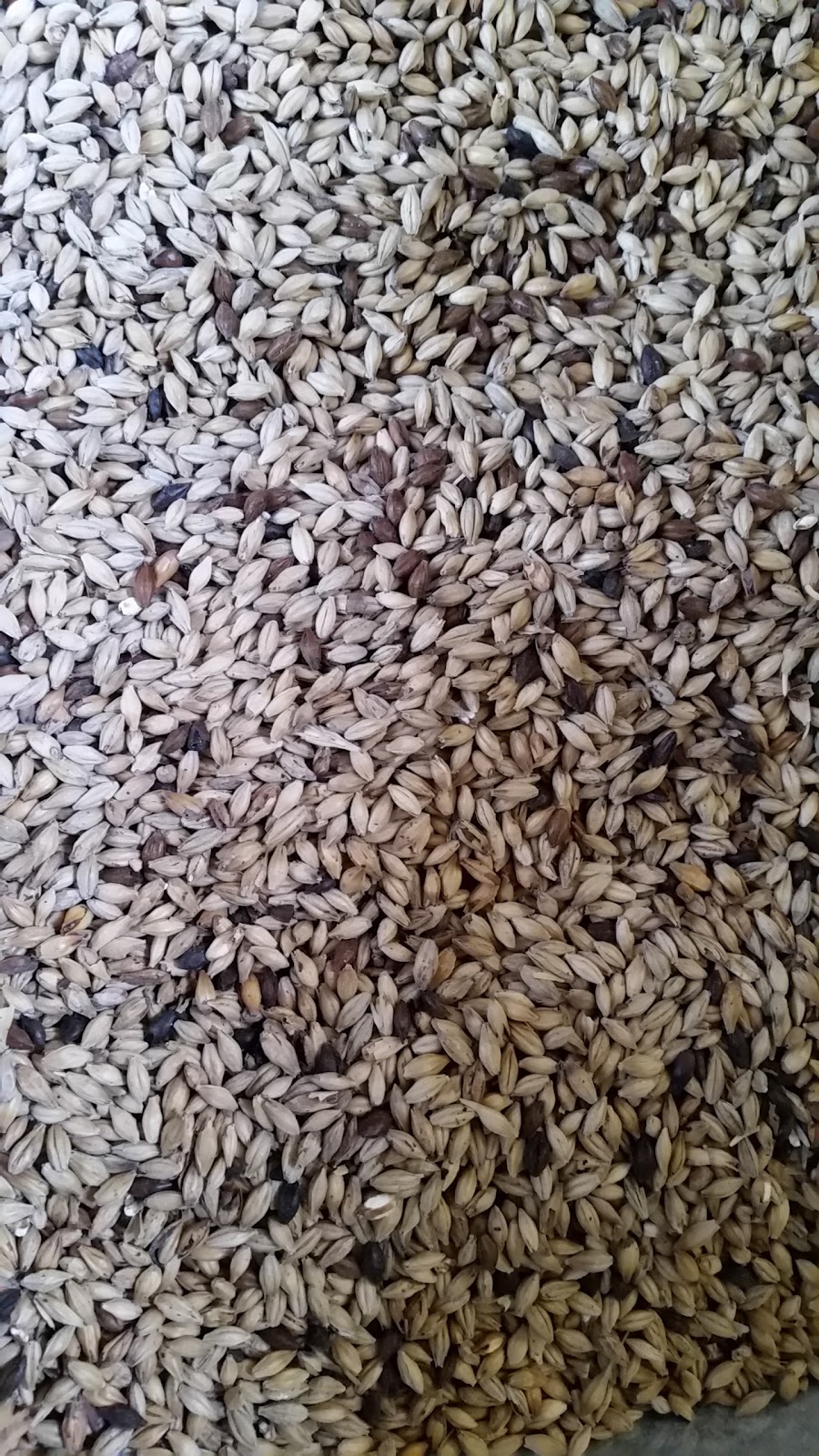
Taking lessons learned from previous recipes, I went for very fresh Saaz hops (from Yakima Valley Hops). Furthermore, I built the malt bill to have a touch of melanoidin malt, to avoid messing with a decoction but also not overwhelming with the honey-character that melanoidin brings at higher percentages. I used the Rahr pilsner malt as a base–although it is not “traditional,” I have found it to be an absolutely excellent malt for my tastes.

This isn’t my 11th batch, but I brewed it on 11/11 (Nigel Tufnel Day!), so the name was unavoidable.

No. 11 Bohemian Pilsner

  • 10 lb. pilsner malt (Rahr)
  • 0.5 lb. Carafoam malt (Weyermann)
  • 0.25 lb. melanoidin malt (Weyermann)
  • 0.5 tsp. BrewTanB, added to mash
  • 3.5 oz. Saaz hop pellets (2.4% alpha), 60 minute boil
  • 1.5 oz. Saaz hop pellets (2.4% alpha), 10 minute boil
  • 0.5 tsp. BrewTanB, 10 minute boil
  • 1 Whirlfloc tablet, 5 minute boil
  • 1 oz. Saaz, 5 minute boil
  • 1 tsp. tsp. WLN1000 yeast nutrient, 5 minute boil
  • 2 pkg. Diamond Lager yeast (Lallemand)

Target Parameters

  • 1.049 s.g., 1.014 f.g., 4.7% abv, 37 IBU, 5 SRM
  • Full volume infusion mash, held at 154° for 60 minutes and 168° for 10 minutes
  • RO water built to hit target of 6 ppm Ca, 5 ppm Na, 6 ppm SO4, 6 ppm Cl, 14 ppm HCO3, RA=7 ppm

Procedure

  • To 7.5 gallons of RO water, I added 0.3 g gypsum, 0.3 g calcium chlorie, and 0.5 g baking soda, to hit my water target parameters.
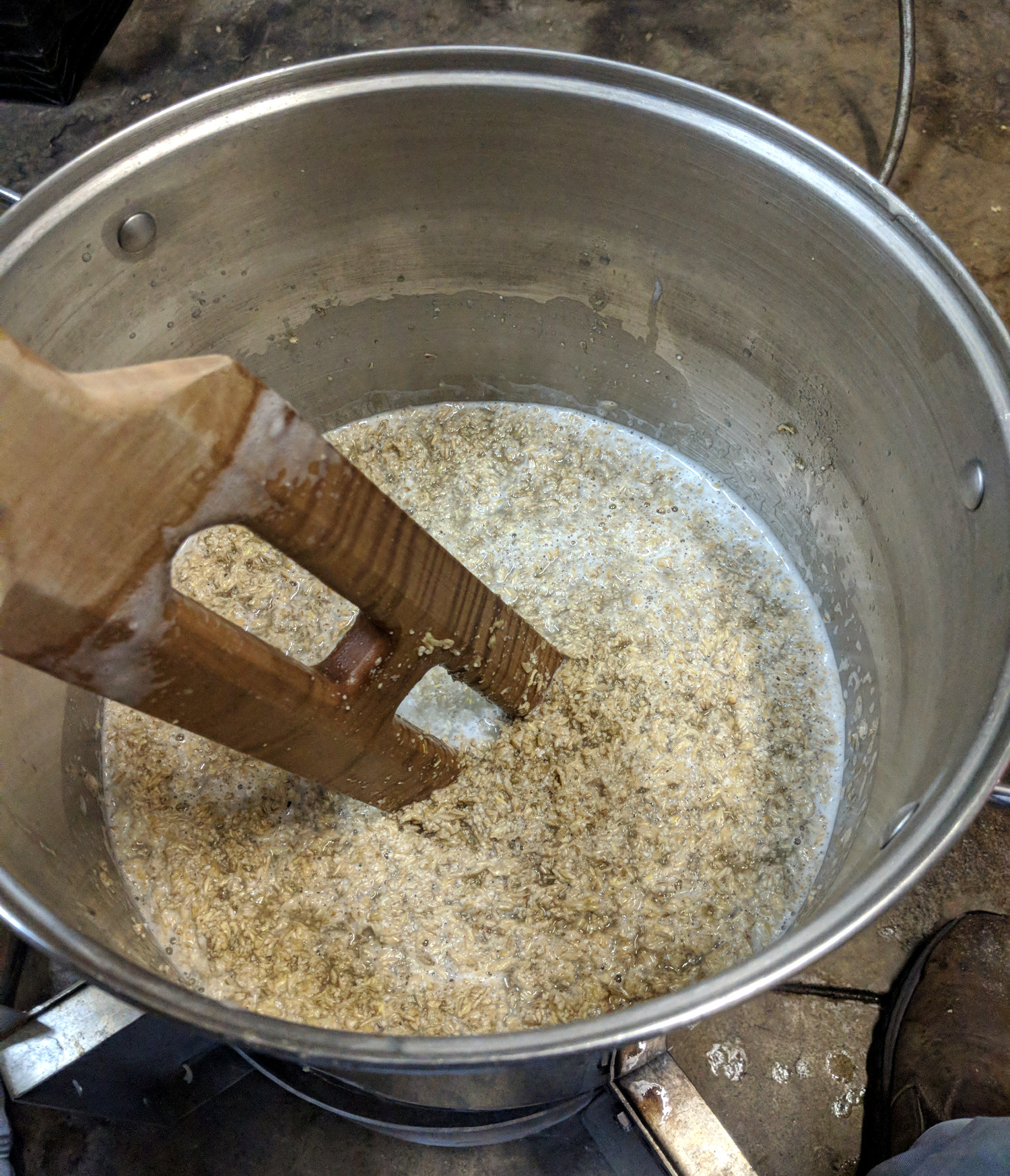
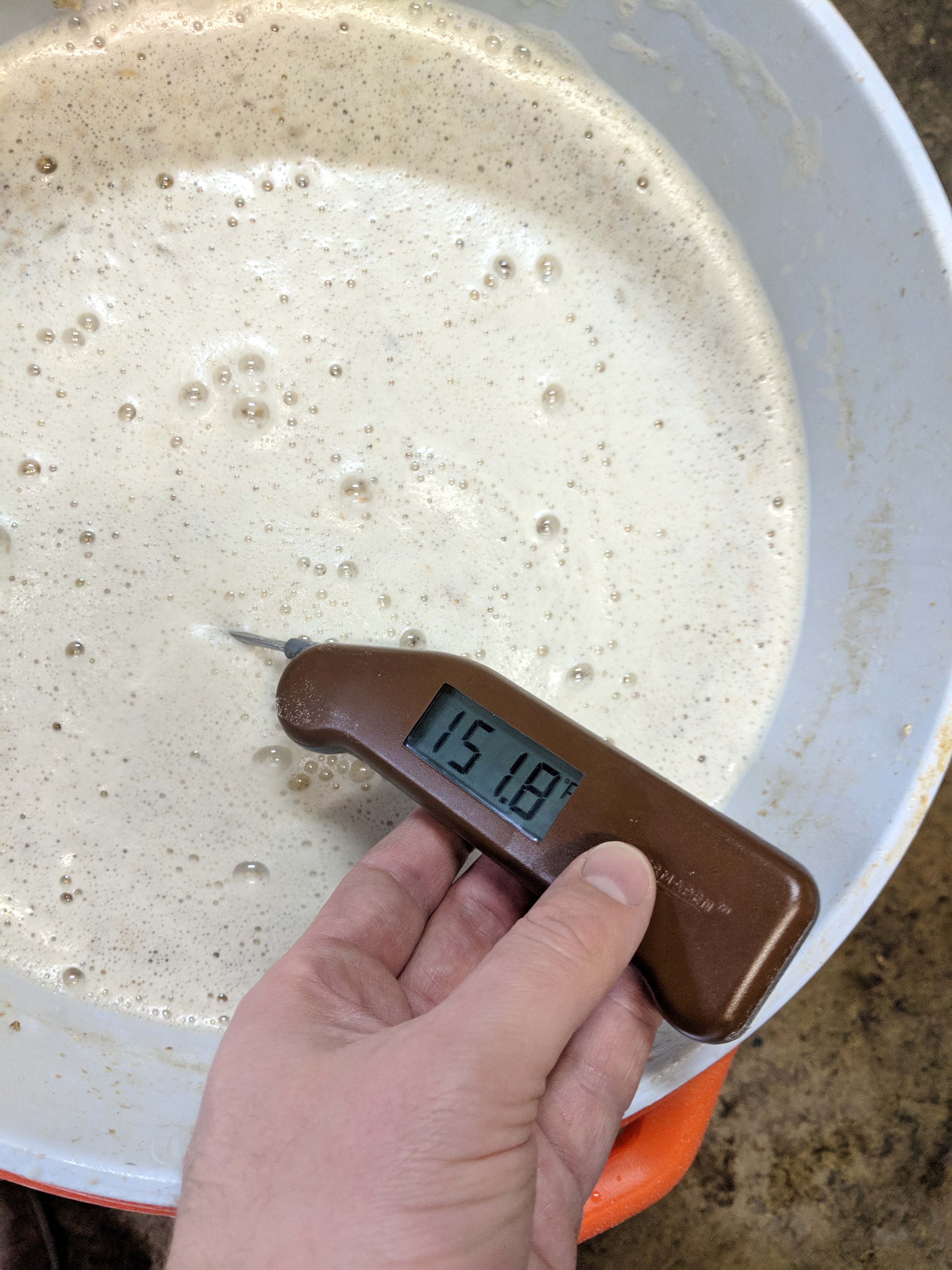
  • I heated the water to 160°, and added the grains to hit a mash target of 154°. I added 4 mL of 88% lactic acid to adjust the mash pH, and recirculated for 60 minutes.
  • Next, I heated the mash to 168° for 10 minutes, before pulling the grains and starting the ramp-up to the boil.
  • In total, I collected 6.75 gallons of runnings with a gravity of 1.042, for 71% mash efficiency.
  • I boiled for 60 minutes, adding hops and finings per the schedule. Finally, I turned off the heat and chilled to 75° before transferring to the fermenter.
  • Once in the fermenter, I chilled the wort to 52° before pitching the yeast.
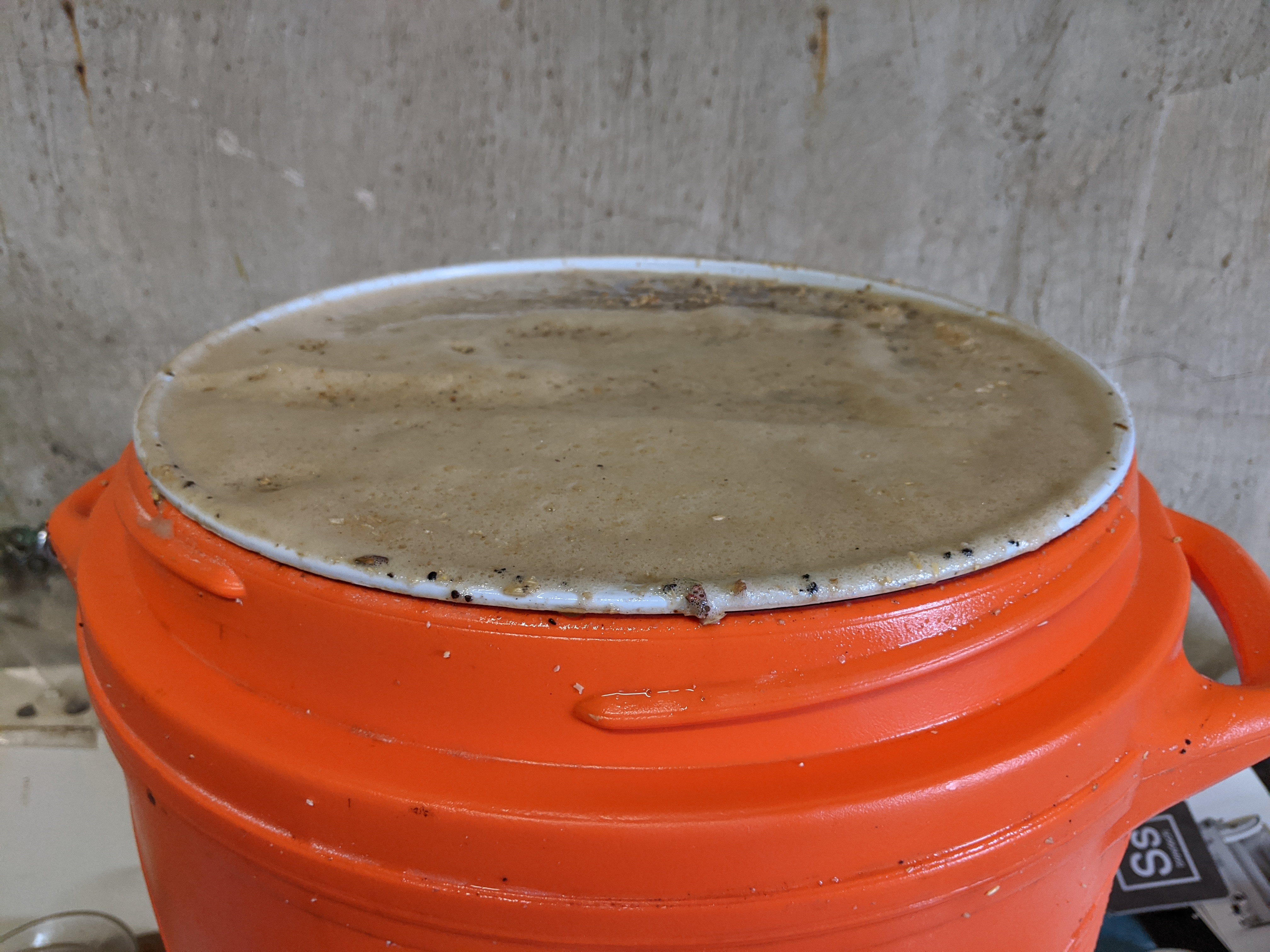
  • I brewed this beer on 11 November 2023. Starting gravity was 1.049, exactly on target!
  • I held the fermentation temperature at 52° until 2 December 2023, when I moved the beer to ambient (~60°).
  • I kegged the beer on 26 December 2023. Final gravity was 1.014, for 4.7% abv.
  • Because I’ve been a bit slow to finish kegs lately, this beer ended up lagering for a full three months before tasting.

Tasting

  • Appearance
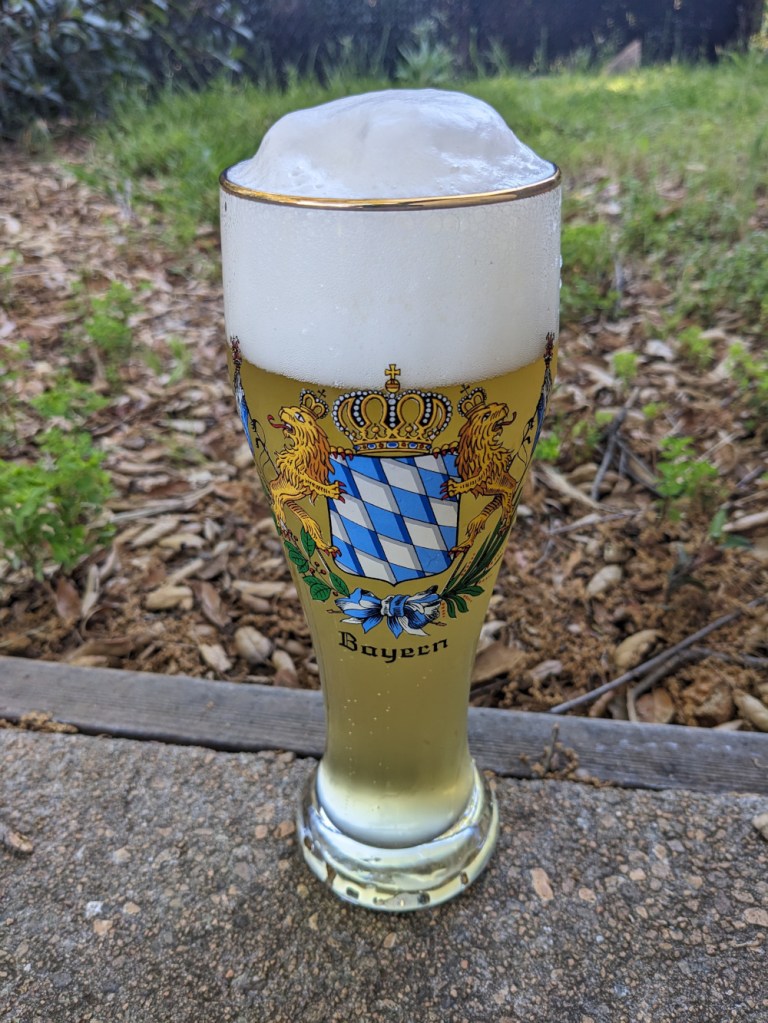
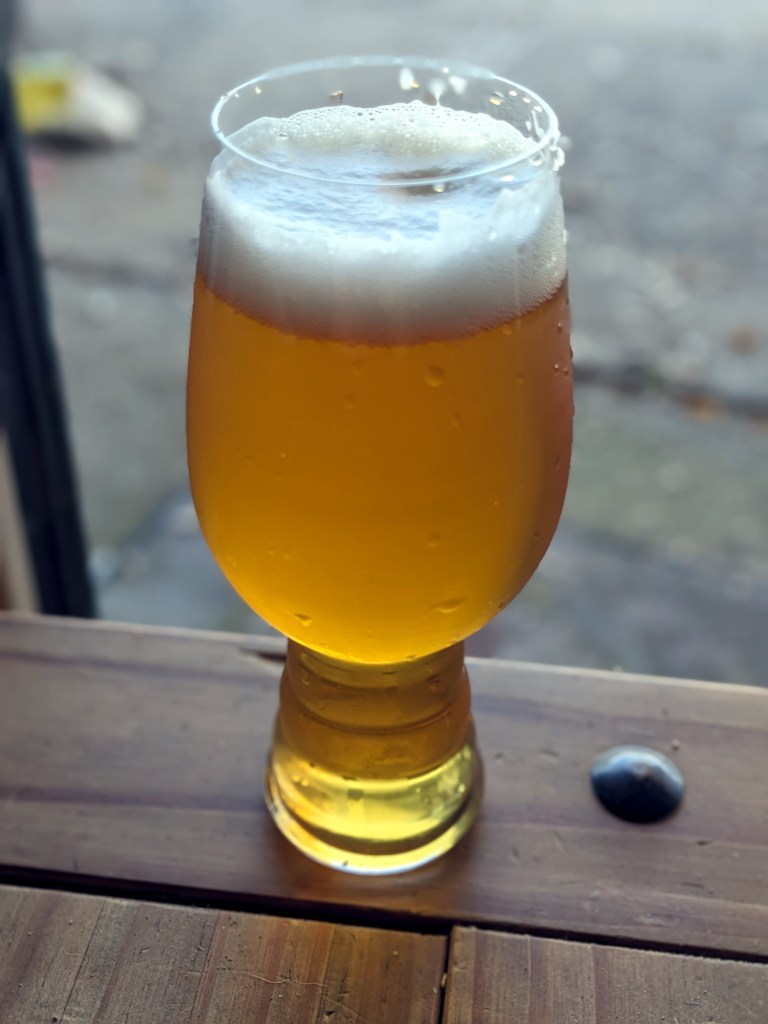
    • Beautiful medium gold color, brilliant clarity, pouring with a long-lasting, creamy white head that leaves nice tracks on the side of the glass.
  • Aroma
    • A whiff of spicy Saaz at the front, at some maltiness (slightly bready) back of that.
  • Flavor
    • Bitterness-forward, which lingers on the tongue, followed by a subtle maltiness. Clean fermentation profile. Tiny bit of caramel. I feel like the melanoidin is perhaps too much in the background–I would like a tiny touch more.
  • Mouthfeel
    • Medium body, medium carbonation, off-dry mouthfeel.
  • Would I brew this again?
    • Yes! It’s probably the best Bohemian pilsner I have made to date! It has a nice mix of malt/hops….It maybe could be a bit deeper gold in color, and I wouldn’t complain with a touch more melanoidin character. It was well worth the (not entirely intentional) extended aging, too.
  • Overall
    • 9/10 (for color)

Olde Tyme IPA

The beloved India Pale Ale has diversified markedly since its 19th century roots in England, exploding onto the scene in the United States during the “Craft Beer Revolution.” Even during my own lifetime, I’ve seen incredible change, from the old school American IPAs, to the rise of West Coast IPAs, Hazy IPAs, white IPAs, session IPAs, and everything else in between. For better or worse, the market trends have definitely tilted fruity and hazy, and it’s often difficult to find anything that approximates the brews of the 1990s and early 2000’s. I have a certain sentimentality for them and like to brew one every once in awhile.

The IPAs of 25 years ago (in my memory, and in recipes) tended to have more going on with the malt, tended to be a bit darker in color, and focused on the pine/citrus/resin hops that dominated at the time. I did some looking through old Zymurgy issues, and found a recipe commemorating the 25th anniversary of the Maltose Falcons (now 50 years old!). This recipe from 2000 (available here) was later published in the September/October 2006 Zymurgy issue, titled Odyssey Ale. It is definitely a time capsule of its era!

To the original recipes, I modified the hop varieties slightly. I made some modifications for hops on-hand; so, I used Magnum instead of Perle, and Strisselspalt instead of Crystal. Both are varieties available in the late 1990s. The original recipe doesn’t have a dry hop charge, and I felt that was important to keep the beer interesting. So, I added 1.5 oz. of Strisselspalt and 1.5 oz. of Chinook into the dry hop. My only other major modification was to use Munich I instead of “Dark Munich” (Munich II), because that’s what I had on-hand.

Olde Tyme IPA

  • 12.5 lb. 2-row brewers malt (Briess)
  • 1 lb. crystal 40 malt (Great Western)
  • 1 lb. Munich I malt (Weyermann)
  • 0.5 lb. Carafoam (Weyermann)
  • 0.5 tsp. BrewTanB (mash)
  • 0.5 oz. Chinook hop pellets (12.3% alpha), 60 minute boil
  • 0.5 oz. Magnum hop pellets (10.1% alpha), 60 minute boil
  • 0.5 oz. Centennial hop pellets (8.1% alpha), 15 minute boil
  • 0.5 oz. Strisslespalt hop pellets (1.8% alpha), 15 minute boil
  • 0.5 tsp. BrewTanB, 10 minute boil
  • 1 Whirlfloc tablet, 5 minute boil
  • 1 oz. Cascade hop pellets (7.5% alpha), 10 minute whirlpool
  • 0.5 oz. Centennial hop pellets (8.1% alpha), 10 minute whirlpool
  • 2 pkg. American West Coast Ale dry yeast BRY-97 (Danstar)
  • 1.5 oz. Chinook hop pellets (12.3% alpha), dry hop in keg
  • 1.5 oz. Strisslespalt hop pellets (1.8% alpha), dry hop in keg

Target Parameters

  • 1.068 s.g., 1.017 f.g., 6.7% abv, 50 IBU, 9 SRM
  • Full volume infusion mash, held at 155° for 60 minutes and 168° for 10 minutes
  • Neutralized Claremont tap water with Campden tablet, and mineral salts added to boil to achieve 103 ppm CA, 19 ppm Mg, 54 ppm Na, 248 ppm SO4, 60 ppm Cl, 10 ppm CaCO3, RA=-77, alkalinity=8 ppm.

Procedure

  • I collected 7.75 gallons of tap water and added a Campden tablet along with 5.5 mL of 88% lactic acid, for the initial water adjustments. I heated this to 163°, and then added the grains, to hit a mash temperature of 155°. At the time of mash-in, I added 2.5 mL of 88% lactic acid, to adjust the pH.
  • I held the mash temperature at 155° for 60 minutes, with recirculation. Then, I raised the mash to 168° for 10 minutes, before pulling the grains.
  • In total, I collected 7 gallons of runnings with a gravity of 1.057, for 72% mash efficiency.
  • As I brought the runnings to a boil, I added 9 g gypsum and 2 g epsom salt, to hit the water profile target.
  • Once the kettle was boiling, I added hops and finings per the recipe, boiling for 60 minutes.
  • After 60 minutes, I turned off the heat and chilled slightly before adding the whirlpool hops. I whirlpooled for 10 minutes, before chilling to 66° and transferring to the fermenter.
  • Starting gravity was 1.066. I brewed the beer on January 1, 2024.
  • I pitched the yeast, and set the fermentation chamber to 66°.
  • I kegged the beer on 7 February 2024, adding dry hops to the keg. Final gravity was 1.013, which equates to 7.1% abv.

Tasting

  • Appearance
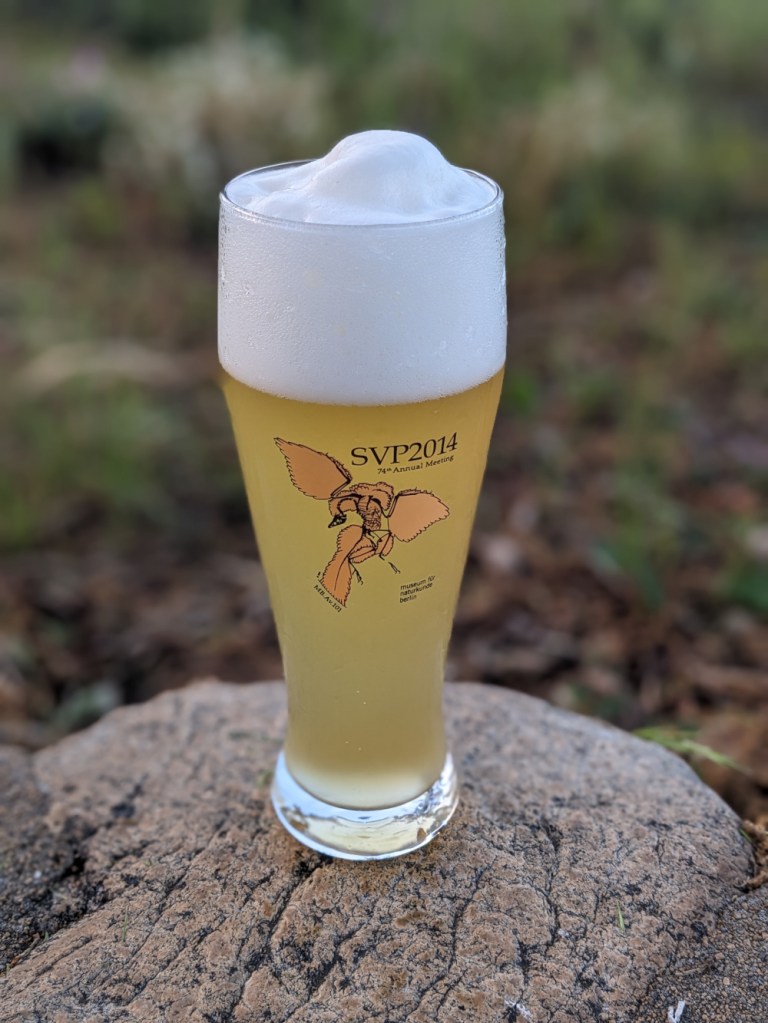
    • Burnished orange-gold, clear with only a very slight haze, moderately persistent white head.
  • Aroma
    • Orange/citrus aroma, slight malty note, and no yeast character
  • Flavor
    • Nice malt backbone, with a light caramel quality. Moderately high bitterness, with a piney resin aspect that lingers on the tongue.
  • Mouthfeel
    • Medium body. Moderate carbonation. Slightly dry finish.
  • Would I Brew This Again?
    • This beer tastes like 2001…which is nice sometimes, but not what I always want on tap. Overall, this is a very good beer, which fits exactly what I wanted in the recipe. So, I would say it is a “10/10” for hitting my goals of an IPA from 25 years ago, but 7/10 for everyday drinking.
  • Overall
    • 10/10

Sierra Nevada Porter Clone

I love American porters, and they are among the first beers I ever brewed (all the way back to 2009!). Sierra Nevada’s porter is a great one, a classic in the American porter style, as listed by the BJCP 2021 style guide. The BJCP also indicates that this style is “becoming increasingly hard to find.” That’s a good reason to make a homebrew version!

I did some searching to find an appropriate recipe, which landed on one that is allegedly directly from Sierra Nevada. I adjusted the grains very slightly to get more even amounts, and I also upped the Carafa Special III and black malt, in order to darken the beer. Oddly, the grain-only version was lighter than consistent with the style (noted by folks at the original link), so I added Sinamar to bring things into line. The original recipe called for Sterling and Aurora hops, neither of which I had on-hand. So, I substituted Mandarina Bavaria and Elixir. They’re not the same, but should be enough in the ballpark.

This was an enjoyable recipe to brew. It didn’t require dry hopping or whirlpooling, and I didn’t bother with a closed transfer. Other than using Sinamar, the ingredients and techniques were dead-basic.

Sierra Nevada Porter Clone

  • 10.25 lb. 2-row malt (Briess)
  • 1 lb. Munich I malt (Weyermann)
  • 0.5 lb. caramel malt – 60L (Briess)
  • 0.5 lb. chocolate malt (Bairds)
  • 1 oz. black malt (Briess)
  • 1 oz. Carafa Special III (Weyermann)
  • 1.5 oz. Sinamar (added at end of boil)
  • 1 oz. Mandarina Bavaria hop pellets (6.7% alpha), 60 minute boil
  • 1 oz. Elixir hop pellets (5.1% alpha), 15 minute boil
  • 1 Whirlfloc tablet, 5 minute boil
  • 1 oz. Elixir hop pellets (5.1% alpha), 5 minute boil
  • 1 pkg. California ale yeast, dry version (White Labs WLP001)

Target Parameters

  • 1.056 s.g., 1.014 f.g., 5.7% abv, 35 IBU, 40 SRM
  • Full volume infusion mash, held at 154° for 60 minutes and 168° for 10 minutes
  • Claremont tap water with Campden tablet

Procedure

  • I heated 7.5 gallons of water to 160°, and added the grains for a mash temperature of 154°. I added 5 mL of 88% lactic acid to adjust the pH, and held the mash at 154° for 60 minutes.
  • After 60 minutes, I raised the mash to 168° for 10 minutes, before pulling the grains and heating to a boil.
  • The mash yielded 6.5 gallons of runnings with a gravity of 1.050, for 71% mash efficiency.
  • I boiled the wort for 60 minutes, adding finings and hops per the recipe.
  • After the boil, I chilled to 70° and transferred to the fermentater.
  • I brewed the beer on 2 December 2023. Starting gravity was 1.058, just a touch above target.
  • I fermented the beer at 66°, and kegged on 31 December 2023. Final gravity was 1.016, for 5.5% abv.

Tasting

  • Appearance
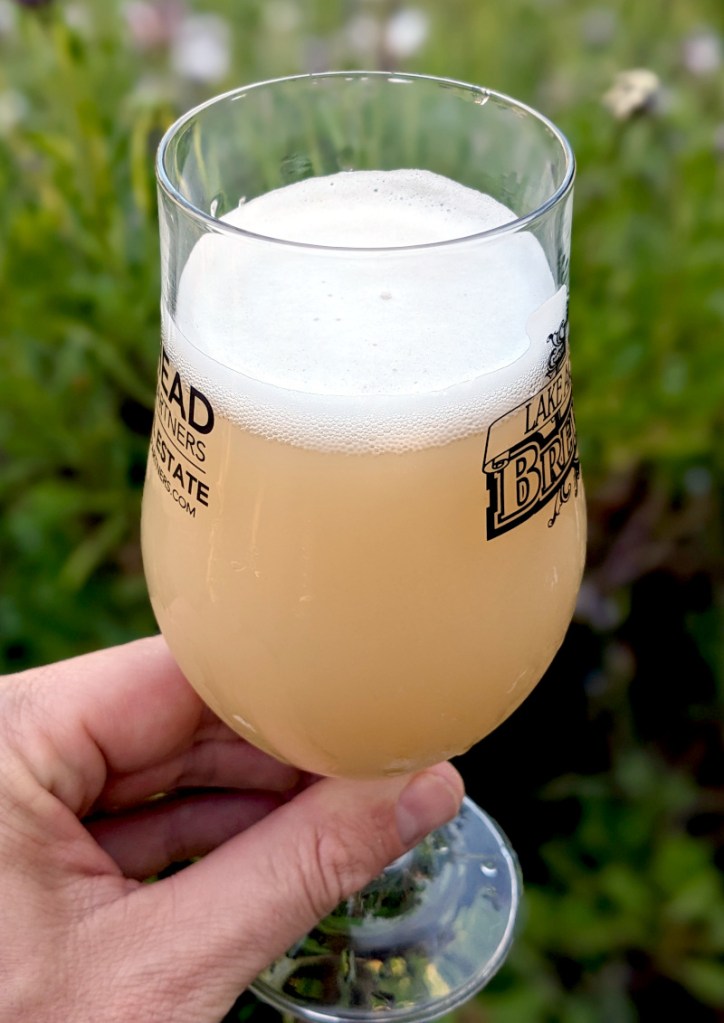
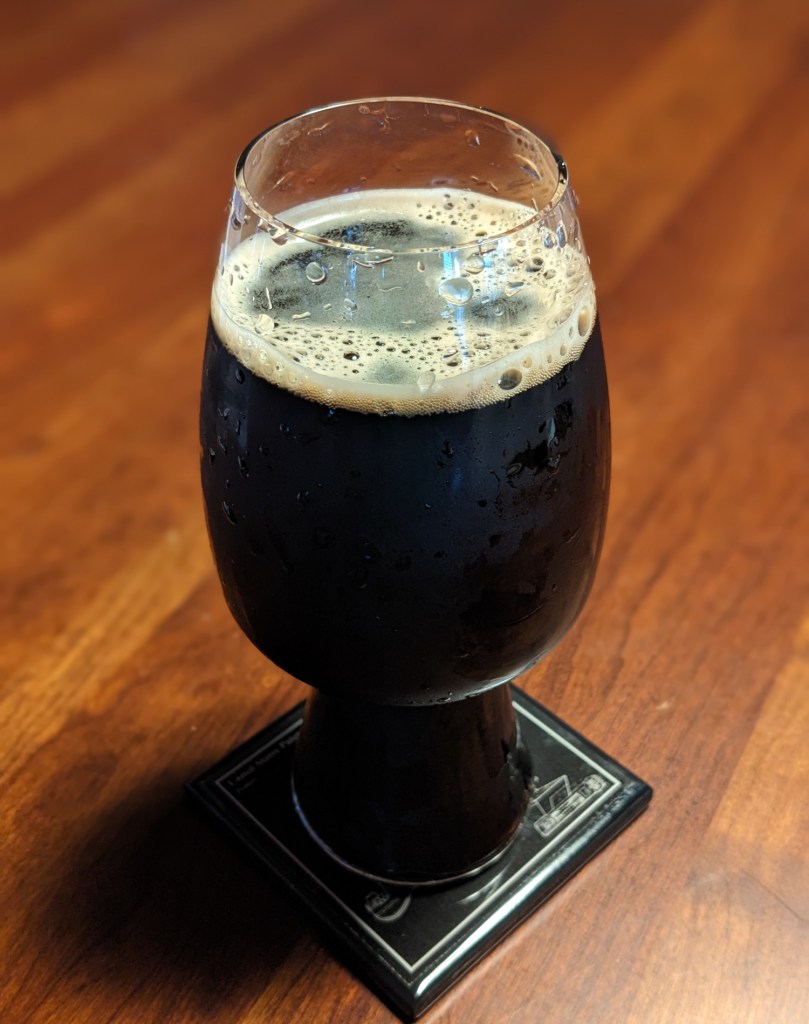
    • The beer is a deep, deep brown, almost black, with a persistent tan head.
  • Aroma
    • Dark chocolate and coffee–very roasty! Resiny hop character. Very nice!
  • Flavor
    • Rich, chocolate and coffee malt notes. Medium-high bitterness with a resiny and piney character.
  • Mouthfeel
    • Medium body, moderate carbonation, slightly dry finish.
  • Would I Brew This Again?
    • Yes! This is a fantastic American porter, simultaneously rich and drinkable. It has interesting character, and is just a nice beer. I don’t know how it would stack up against Sierra Nevada’s product, but even on its own this recipe is pretty nice.
  • Overall
    • 10/10

Super SMaSH Pils

It’s no secret that German Pils is one of my very favorite styles, and one that I finally feel like I’ve mastered. I brewed German pils recipes 18 times in the past seven years, with some batches turning out well, and others less well.

My latest iteration is a SMaSH-esque beer, testing out Rahr’s pilsner malt. I tend to favor European pilsner malts, but that is more through habit than actual comparison. Weyermann, Viking, and Best have all made semi-regular appearances. This past fall, I picked up a 55-lb. sack of Rahr pilsner at the local store, and I wanted to test it in a beer like this. For the hops, I focused on the Edelweiss hop blend from Hop Heaven. In the past, I have absolutely loved the product, and wanted to see what it could do here. Because Edelweiss is a blend, it’s important to note that this is a “SMaSH-esque” beer, rather than a true SMaSH. So, I named my recipe “Super SMaSH Pils”, as a nod to the blend and an homage to a well-known video game.

For yeast, I selected S-189. I’ve been doing lots with Diamond and Novalager lately, and they are truly great yeasts, but I wanted to expand my horizons a little bit. I had a good experience with S-189 in one previous batch, and thought I’d test it out again.

Super SMaSH Pils

  • 10.5 lb. pilsner malt (Rahr)
  • 0.5 tsp. BrewTanB (mash)
  • 1.25 oz. Edelweiss hop pellets (5.8% alpha), 60 minute boil
  • 0.75 oz. Edelweiss hop pellets (5.8% alpha), 10 minute boil
  • 0.5 tsp. BrewTanB, 10 minute boil
  • 1 Whirlfloc pellet, 5 minute boil
  • 1 oz. Edelweiss hop pellets (5.8% alpha), 5 minute boil
  • 2 pkg. SafLager German Lager (S-189)

Target Parameters

  • 1.048 s.g., 1.007 f.g., 5.3% abv, 37 IBU, 4 SRM
  • Full-volume infusion mash, held at 144° for 60 minutes, 160° for 45 minutes, and 168° for 10 minutes
  • Water built up from RO, to hit target parameters of 53 ppm Ca, 11 ppm Mg, 123 ppm SO4, and 52 ppm Cl, with RA=-51 ppm

Procedure

  • Starting with 7.25 gallons of RO water, I added 4 g gypsum, 3 g epsom salts, and 3 g calcium chloride, to hit my water target. I heated this water to 149° and added the grains along with 1.5 mL of 88% lactic acid. This hit a mash temperature of 144° for 60 minutes, with recirculation. Then, I raised the mash to 160° for 45 minutes, and finally to 168° for the final 10 minutes of the mash.
  • I pulled the grain basket, and collected 6.5 gallons of runnings at a gravity of 1.043, for 71% mash efficiency.
  • I brought the runnings to a boil, boiling for 60 minutes and adding hops and finings per the recipe. After the boil, I turned off the heat and chilled to 75° before transferring to the fermenter.
  • Starting gravity was 1.049, pretty close to my target. I chilled the wort further to 48° in the fermentation chamber, before pitching the yeast.
  • I brewed the beer on 29 October 2023, and fermented at 52°.
  • On 12 November 2023, I moved the beer to ambient (~62°).
  • I kegged the beer on 29 November 2023, with a closed transfer.
  • Final gravity was 1.011, which works out to 5.0% abv.

Tasting

  • Appearance
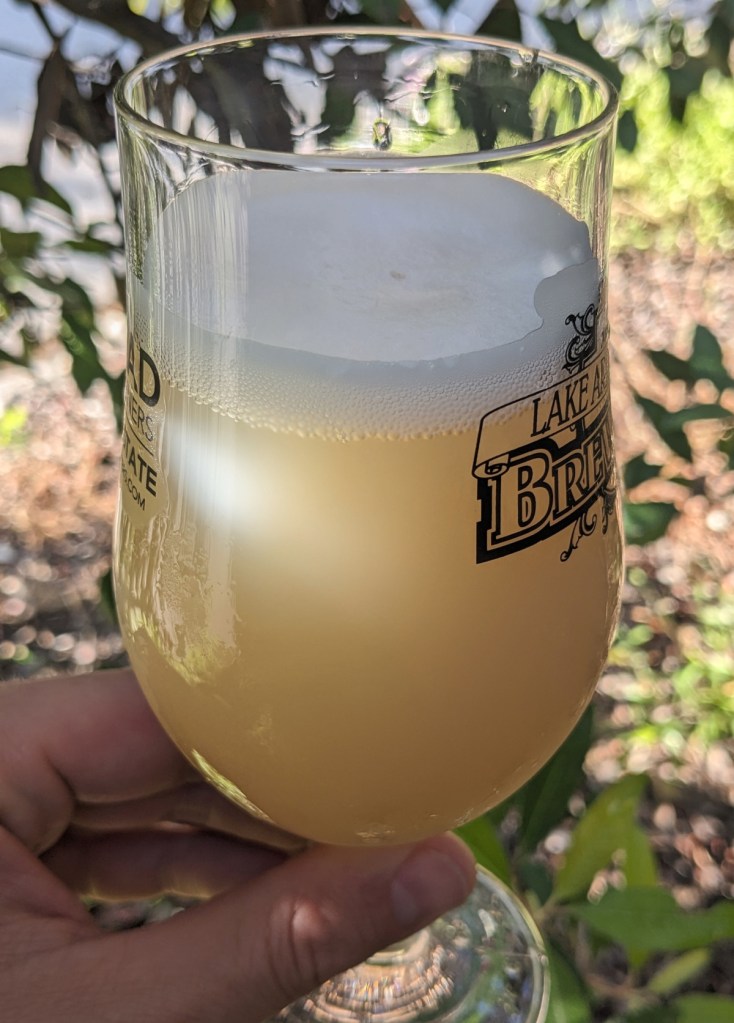
    • Brilliantly clear, straw yellow beer that pours with a dense and persistent, creamy white head.
  • Aroma
    • Clean, lightly floral, and slightly spicy aroma. Very pleasant! Malty sweet character, too.
  • Flavor
    • Clean, lightly floral hop flavor, with moderately high yet smooth bitterness. Light malty sweet flavor, with a nice balance against the hops. No yeast character detectable — it is very clean and crisp!
  • Mouthfeel
    • Medium-light body, moderate carbonation; nice and smooth finish.
  • Would I brew this again?
    • This is a near-perfect pils! It hits every mark of the classic style and is just plain enjoyable. I am incredibly pleased, and would absolutely brew it again.
  • Overall
    • 10/10

2023’s Homebrew Highlights

2023 was another year with tons of non-brewing things happening in life, so my brew days were pretty important opportunities for relaxation.

  • Favorite Batch
    • American Pale Ale 2023 was a killer batch! It was just a straight-down-the-middle pale ale, which hit every note for a traditional take on the style. I would drink it every day (if that was a good idea).
    • Live Oak Canyon Ale was a close second…it was incredibly drinkable, and an interesting beer in a hard-to-find style.
  • Least Favorite Batch
    • Thanksgiving Transatlantic Barleywine wasn’t a bad batch, but I should have let it age another year. So, even though it was still reasonably drinkable, I will mark it down as “least favorite.”
  • Experimental Recipe With Most Potential
    • Live Oak Canyon Ale (again!). I had such a fun time with this beer, and the introduction of wood into the mix was a nice experimental twist. I would brew this again in a second.
  • Most Fun New Style/Recipe to Try
    • I enjoyed brewing a Czech dark lager; it was fun to try out some new ingredients and go fairly traditional in this beer.
  • Upcoming Beer With Most Potential
    • I just kegged a Sierra Nevada Porter clone recipe, and I think it’s going to be pretty great! Porters are such a hard style to find nowadays, so I always enjoy making them. It’s funny how they have basically disappeared from the landscape, which emphasizes why homebrewing is so important.
  • Best Ingredient Added to Repertoire
    • Wood! I enjoyed my revisit to wood aging with Live Oak Canyon Ale (yet again). I don’t want every beer to be wood aged, but I had forgotten how a straight-up wood (rather than spirit-barrel-aged) character can be nice.
  • Favorite Books
    • The Hops List book was a surprisingly great addition to my beer and brewing library. Because it’s just a…list…of hops, it rewards dipping in and out of the pages, and doesn’t need a sequential exploration. It’s probably one of the more useful books I’ve got, and certainly one of my most-used ones during the past year.
  • Overall Stats
    • I made 22 batches during the year, totaling approximately 100 gallons of beer.
    • Around a third (8) of my batches were some form of lager, which is an increase from 2022. Nearly a third (7) were some form of pale ale (IPA, Belgian pale ale, or American pale ale).
    • My most frequently brewed styles were American Pale Ale (four batches) and German pils (three batches).