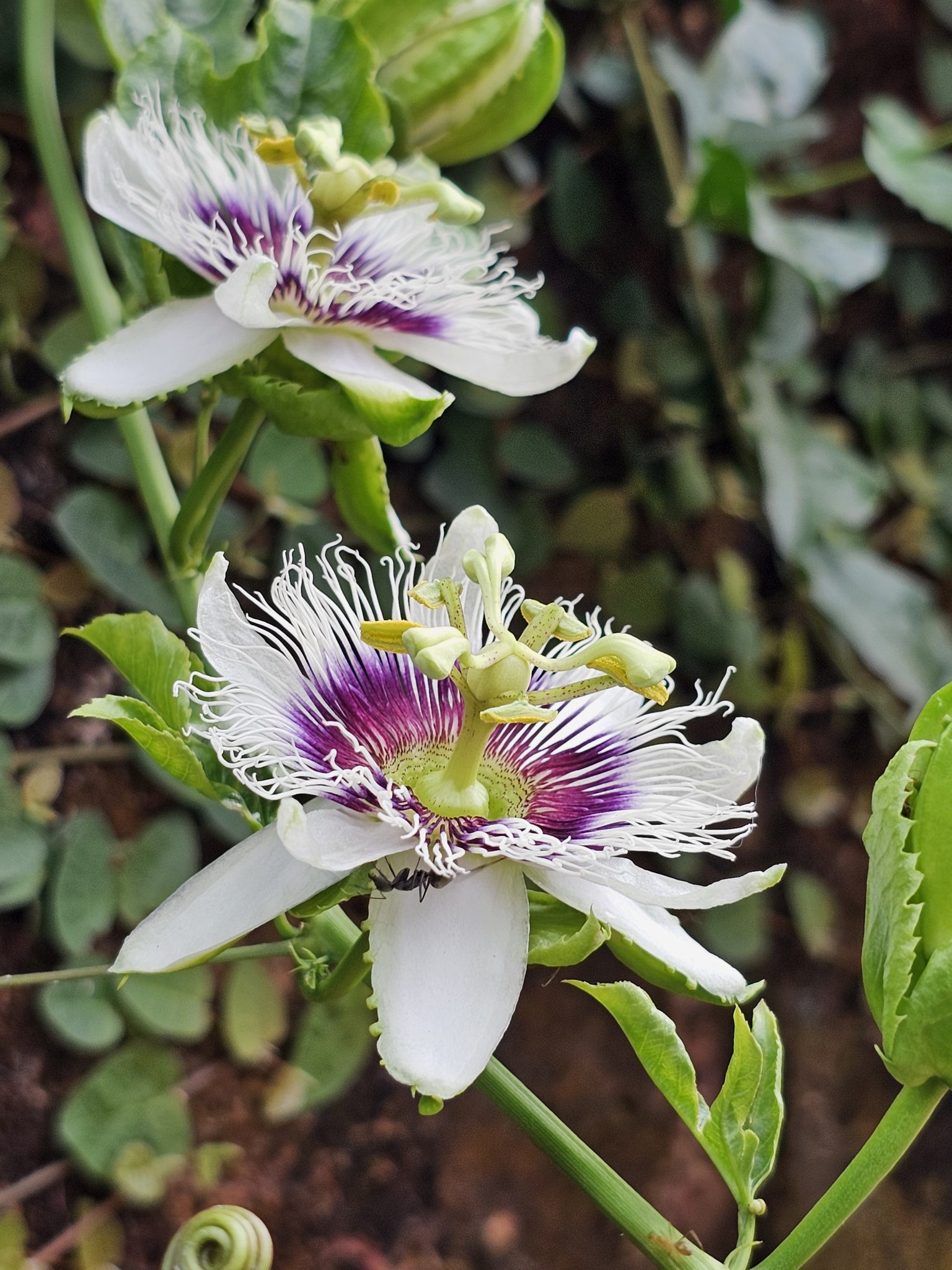
Catharina Sour

Image by Bigul Malayi, licensed under CC-CC0 1.0

The Southern California Homebrewing Festival is coming up! As usual, I can’t make it due to a work event, but I am sending a keg with the Horse Thieves. The “bragging rights” competition this year is tiki-/island-themed beer, so anything that it is tropical/tiki is fair game. Charles, one of our club members and owner of Pacific Brewing Supplies, used an open source machine learning build (“AI”) to analyze a whole ton of recipes and come up with some ideas for our club. One of them was a Catharina Sour, which intrigued me enough to brew it!

Part of the appeal for me was that this is a style I’ve never made previously. Originating in Brazil, the BJCP describes it as “a refreshing fruited sour wheat beer with a vibrant fruit character and a clean lactic acidity.” It is essentially a bright, highly fruited Berliner weisse.

The recipe from Charles was pretty straight-forward, and I made only the most minimal modifications for my equipment and ingredient availability. I kettle soured with Lallemand’s Wildbrew Sour Pitch, and used US-05 (with its famous peachy notes) to provide a subtle fruitiness to enhance the tropical fruit. I chose Amoretti Craft Puree for the base fruit additions, having had good success with it in some batches a few years back. At the suggestion of the recipe, I also used the TrueFruit product (essentially granulated fruit concentrate) to brighten things up in the keg.

Catharina Sour

  • 5 lb. Synergy Select Pilsen Malt (Briess)
  • 4 lb. white wheat malt
  • 0.5 tsp. BrewTanB, added to mash
  • 1 pkg. Wildbrew Sour Pitch (Lallemand), for kettle souring
  • 1.1 oz. Hallertauer whole hops (3.0% estimated alpha), from South Dakota
  • 0.5 tsp. BrewTanB, 10 minute boil
  • 0.5 tsp. WLN1000 yeast nutrient (White Labs)
  • 1 pkg. US-05 Safale American ale yeast (Fermentis)
  • 8 oz. (by weight) mango Amoretti Craft Puree, added to primary
  • 8 oz. (by weight) passionfruit Amoretti Craft Puree, added to primary
  • 1 oz. (by weight) TrueFruit passionfruit, added to keg
  • 0.67 oz. (by weight) TrueFruit mango, added to keg
  • 0.67 oz. (by weight) TrueLime, added to keg

Target Parameters

  • 60 minute infusion mash, 152°, full volume mash
  • 1.044 o.g., 1.009 f.g., 4.5% abv, 4 IBU, 3 SRM
  • Blend of neutralized tap water and RO water to hit 86 ppm Ca, 5 ppm Mg, 64 pm Na, 36 ppn SO4, 86 ppm Cl, 7 ppm bicarbonate, RA=-58.
  • 5.25 gallon batch

Procedure

  • I added 3.9 mL of 88% lactic acid to 5.5 gallons of tap water to remove the bicarbonates, and then added 2.5 gallons of RO water to further reduce the mineral content.
  • I heated the strike water to 157°, added the BrewTanB and grains, and then recirculated at 152° for 60 minutes. Next, I raised the temperature to 168° for a 10 minute mashout.
  • After pulling the grains at the end of the mash, I had 7.1 gallons of runnings with a gravity of 1.035, for 74% mash efficiency. I boiled the wort (without hops) for 5 minutes and then chilled it to 95° before adding 25 mL of 88% lactic acid to adjust the pH of the wort to ~4.2.
  • Before pitching the sour culture, I rehydrated it with 5 g of DME in 100 g of water. My previous experience with dry lacto cultures is that they can clump up, so rehydration seemed wise. Once this was done, I pitched the culture.
  • I did the inital brew on 8 March 2026.
  • Within my Foundry, I held the temperature at 100° for 48 hours, until it hit what tasted like a reasonable level of acidity.
  • I boiled the wort for 60 minutes, adding hops and BrewTanB per the recipe. Then, I chilled the wort down to 70° before pitching the yeast.
  • I pitched the US-05 on 10 March 2026. Around 6 gallons went into the fermenter, with a starting gravity of 1.040.
  • The beer was fermented at 68°. I added the craft puree on 15 March, and also moved the fermenter to ambient at that time.
  • I kegged the beer on 21 March 2026, using 3.15 oz. of corn sugar in the keg. I added the fruit powders directly at this time.
  • Because it was such a large batch, I had some beer left over and bottled it with two carbonation drops in a 22-oz. bottle. The bottle did not get the TrueFruit/TrueLime additions, so is just the “base” fruit style.
  • On 7 April 2026, I measured 16 psi in the keg at 68°, which is around 1.8 volumes of CO2. At this point, I moved the keg to the conditioning chamber, chilled to 34°, and used force carbonation to finish out the beer preparation.
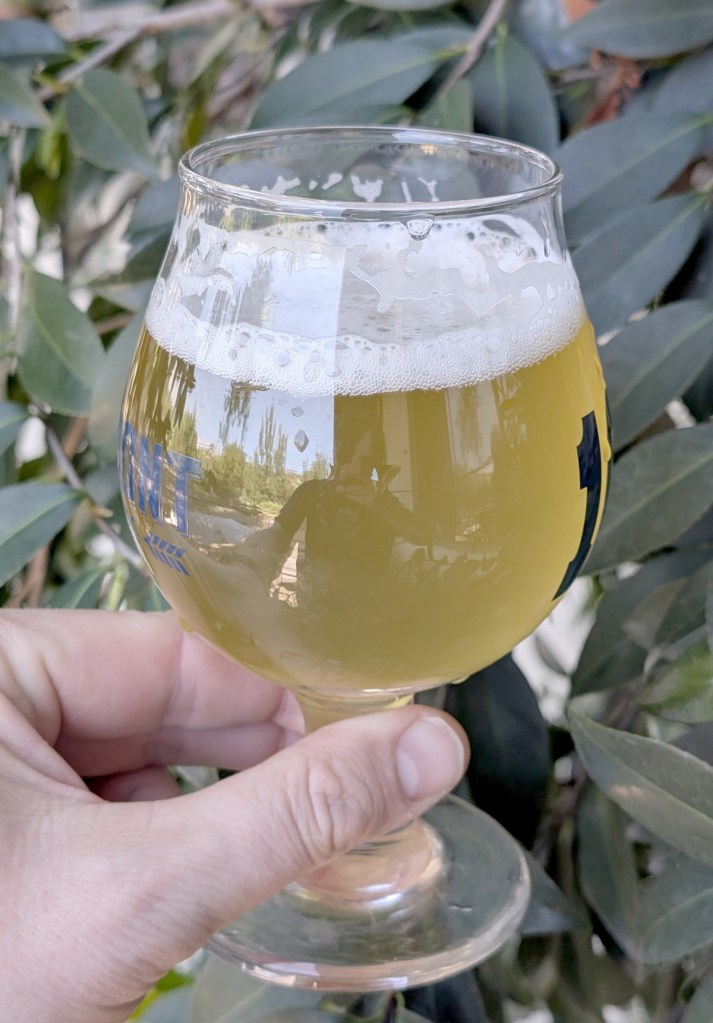
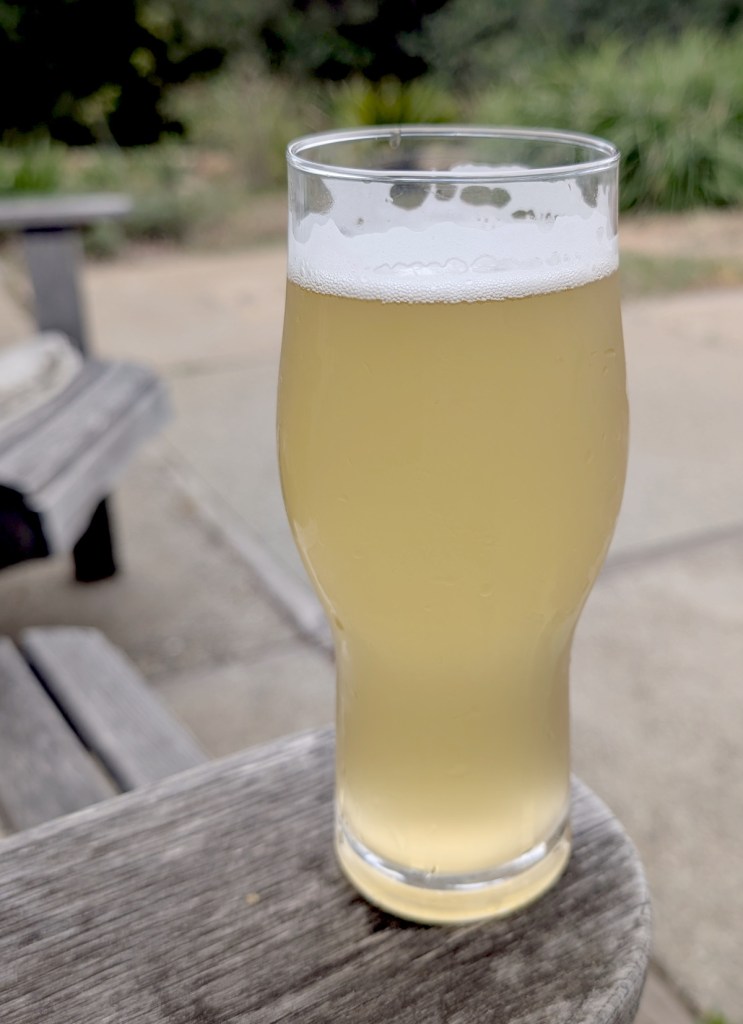
Because I had both a bottled version (with no TrueFruit/TrueLime) and a kegged version (with the additions at kegging), I decided to write up my tasting notes separately.

Tasting – Bottled Version

  • Appearance
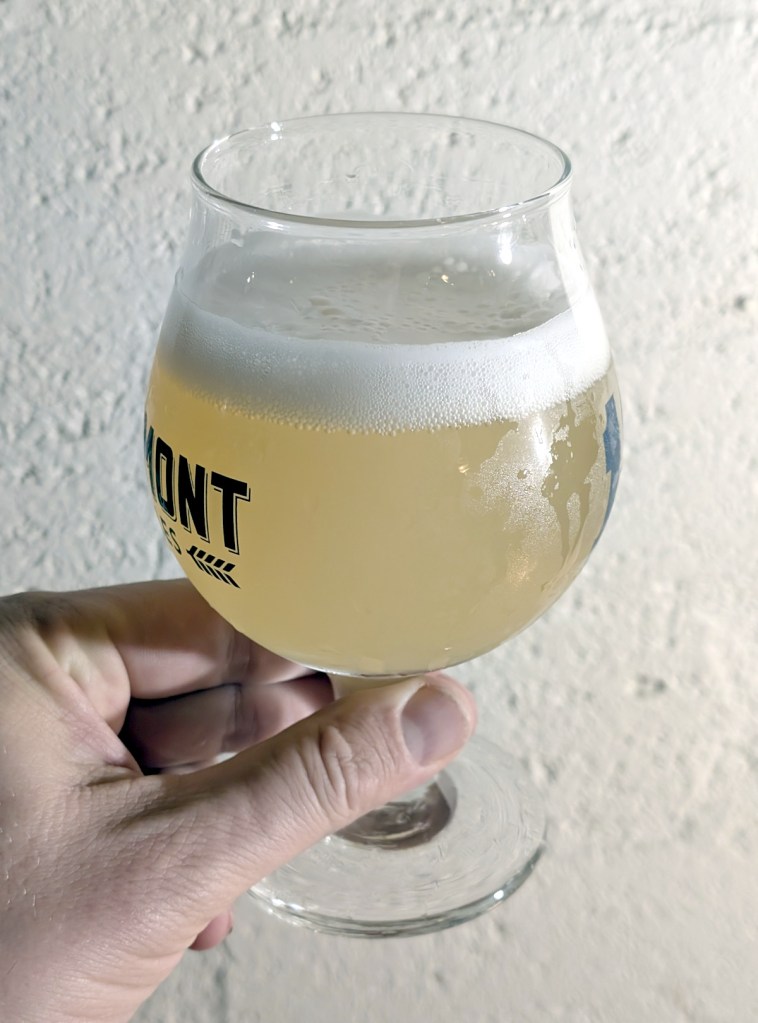
    • Light yellow, fairly hazy beer; it pours with a rich white head that subsides fairly quickly and leaves lacing on the glass.
  • Aroma
    • Lightly tart, lightly doughy, moderate tropical fruit aroma that accentuates mango.
  • Flavor
    • Moderately high level of clean lactic acidity; light doughy malt character; medium level of tropical fruit flavor, especially mango, with the passionfruit behind that.
  • Mouthfeel
    • Medium-high carbonation, light body, dry finish.
  • Would I Brew This Again?
    • Yes! This is an awesome sour, one that is complex with the fruit, but not in-your-face. The mango is a little more obvious than the passionfruit; a touch more of the latter would be nice. The fruit quality definitely gets more noticeable as the beer warms.
  • Overall
    • 9/10

Tasting – Kegged Version

  • Appearance
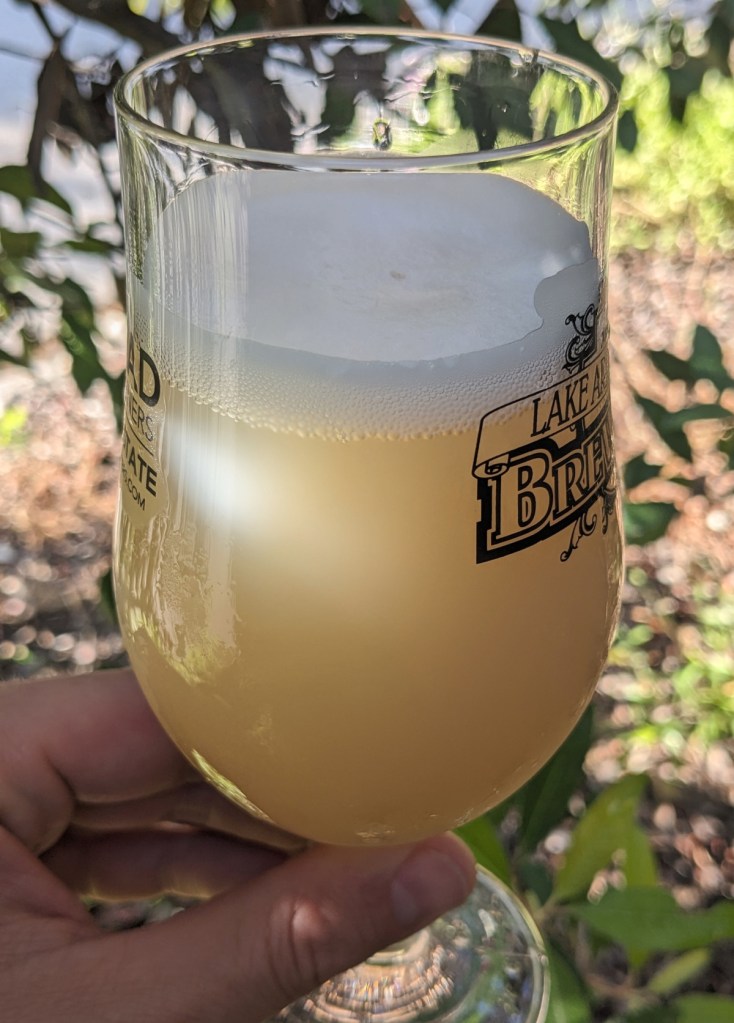
    • Modestly hazy, shimmery, pale yellow beer that pours with a surprisingly persistent white head, which leaves some lacing on the glass.
  • Aroma
    • Bright tropical fruit bouquet at a medium-high level; mango and passionfruit, absolutely! The aroma balance is slightly tilted towards passionfruit. Some lactic sourness comes through, too; light bread dough.
  • Flavor
    • As with the aroma, a bright and fresh tropical fruit flavor is prominent; lime is immediately recognizable, alongside passionfruit. The mango character is a little more subdued. The beer has a clean lactic acid sourness, and a slightly doughy malt character at a low level.
  • Mouthfeel
    • Light body, medium-high carbonation, slightly dry finish.
  • Would I Brew This Again?
    • WOW! The keg version is simply amazing, and the blend of fruit is close to perfection. I might notch back the lime just a touch (perhaps half the amount I used) so that it’s not quite as noticeable and more in a supporting role. The TrueFruit was an excellent addition, in particular helping the passionfruit to shine. This might be one of the most fun (and most enjoyable) brewing projects I’ve had in awhile.
    • Compared to the bottled version, the fruit quality is “better” on this one. Everything else is (as expected) fairly similar.
  • Overall
    • 9.5/10

Rated “PG” (for Pineapple Guava) 2026

Our feijoa (pineapple guava) tree had a slack year in 2024-2025 (probably due to dry conditions), so I wasn’t able to gather any fruit. But, the tree produced fairly well towards the end of 2025, so it was the perfect time for a rebrew of my old favorite sour beer. The feijoa fruits weren’t quite as large this year, and were perhaps a bit riper when I picked them, so the overall quality is different from the first batch. That said, it still turned out as a great beer (even if a bit of extra work)!

Everything is pretty much the same this year as the previous version; there is a mix of pilsner malts, because I was getting to the end of my Pilsner Zero supply. With a smaller harvest of fruit, I opted for a 2.5 gallon instead of a 3 gallon recipe.

Rated “PG” (for Pineapple Guava) 2026

  • 1 lb. 12 oz red wheat malt (Briess)
  • 14 oz. Pilsner Zero malt (Viking)
  • 8 oz. Synergy Select Pilsen Malt (Briess)
  • 2 oz. rice hulls (added to mash)
  • 0.25 tsp. BrewTanB, added to mash
  • 0.25 tsp. BrewTanB, 10 minute boil
  • 1 oz. Saaz whole hops (South Dakota; est. 3.5% alpha), 5 minute boil
  • 0.5 tsp. yeast nutrient (WLN1000), 5 minute boil
  • 1 pkg. Wildbrew Philly Sour (Lallemand)
  • 2 lb. feijoa (pineapple guava) puree, added at end of fermentation

Target Parameters

  • 60 minute infusion mash, 152°, full volume mash
  • 1.031 o.g., 1.006 f.g., 3.2% abv, 5 IBU, 3 SRM
  • Claremont tap water, neutralized, to hit 120 ppm Ca, 7 ppm Mg, 89 ppm Na, 50 ppm SO4, 120 ppm Cl, 10 ppm bicarbonate, -81 RA
  • 2.5 gallon batch

Procedure

  • Starting with 3.75 gallons of tap water, I added a quarter of a Campden tablet to drop the chloramines, and then 2.65 mL of 88% lactic acid, to neutralize the bicarbonates.
  • I heated the water to 155°, before adding the grains, and holding at 152° for 60 minutes, with recirculation.
  • After the main mash, I raised the mash temperature to 168° and held it there for 10 minutes.
  • Once the mash was done, I pulled the grains. I had 3.4 gallons of runnings with a gravity of 1.025, for 72% mash efficiency.
  • I brought the runnings to a boil, and boiled for 60 minutes, adding hops and other ingredients per the recipe.
  • After the 60 minute boil, I chilled to 84°, transferred to the fermenter, pitched the yeast, and fermented at ambient. I wrapped a towel around the temperature to maintain temperature.
  • I brewed the beer on 18 February 2026; starting gravity was 1.033.
  • The beer was down to 70° by the morning of 19 February 2026, with active bubbling in the airlock. I put my fermentation heater next to the fermenter and wrapped the fermenter in a towel in order to keep the temperature up.
  • The fermenter was around 76° when I checked it on 22 February 2026.
  • I added the fruit puree on 22 February 2026. I had picked the feijoa at the end of December, skinned it, and then froze the pulp. After thawing, I pureed the pulp with an immersion blender, heated the puree it to between 160° and 165°, and then let it sit for 30 seconds. I added the pasteurized puree to the fermenter at this point, which raised the temperature to 86°. There was a gentle krausen on top when I opened the fermenter.
  • The fermenter sat at ambient, until I kegged the beer on 7 March 2026. I used 1.5 oz of corn sugar dissolved in water to start carbonation (and reduce oxygen).
  • Final gravity was 1.009, down from 1.033; this works out to 3.1% abv, pretty close to my initially estimated target.
  • After a few weeks, I moved the keg to the fermentation chamber and topped up the CO2 with forced carbonation.

Tasting

  • Appearance
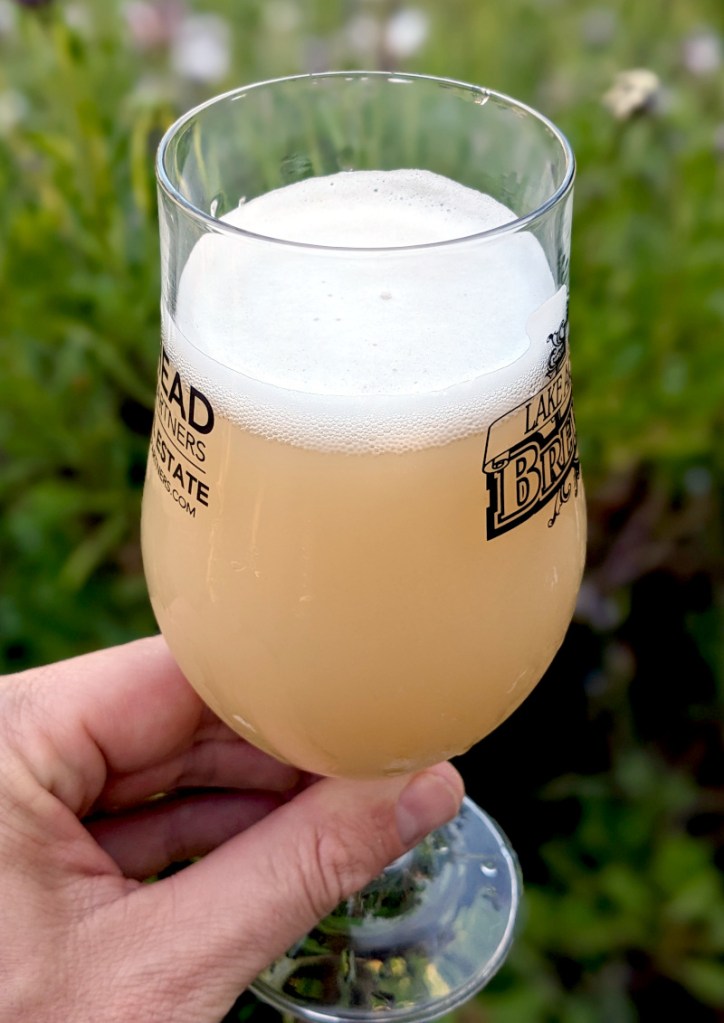
    • Very hazy and straw-colored beer, with a surprisingly persistent white head (likely helped by the high level of carbonation).
  • Aroma
    • Highly tart, acidic aroma, with a medium level of tropical fruit; very ripe, almost like papaya, especially on the initial pour; as the beer warms, I pick up more guava, and a bit of apricot and pineapple.
  • Flavor
    • Very clean sour profile, with a lactic acid character; a light bread dough malt flavor. As the beer warms, a medium-low level of tropical fruit comes through, with well ripened pineapple as the dominant flavor. Minimal bitterness.
  • Mouthfeel
    • Highly carbonated, crisp, light-bodied beer; a wonderful effervescent character.
  • Would I Brew This Again?
    • This is a super amazing beer, made even more special by the fact that I picked the fruit in my yard. It is just about the perfect fruited sour; the aroma is a little more “ripe” than the previous version. The flavor is not as fruit-forward (hence the 9/10), but still nice. The Philly Sour strain works well for these kinds of beers; I’m definitely sold on it! Comparing with the previous version, the color is a little lighter; maybe that’s something about the fruit?
  • Overall
    • 9/10

Rated “PG” for Pineapple Guava

Even though I have lived here for nearly 16 years, I didn’t grow up in southern California, and so I’m always learning something new about the the kinds of fruits and vegetables that grow in this climate. Last fall, I noted a bunch of fruit on a tree adjacent to our home, and upon examination found that it was rather tasty in aroma. A little internet research revealed the source–feijoa, or pineapple guava!

green fruit with white bloom on the surface -- the fruit are somewhat egg-shaped, and laying on the ground

Pineapple guava (I’ll use that name throughout) are native to parts of South America, including Brazil, Argentina, Uruguay, and Paraguay, and have been cultivated in many areas with appropriate climate (apparently they are particularly popular in New Zealand). A member of the myrtle group, rather than a true guava, pineapple guavas produce a small (one to two inch across), green-skinned fruit that tastes and smells almost exactly how the name sounds. Somewhat counter-intuitively, they are not ready to eat until they drop from the tree and onto the ground!

Once I found this fruit, I knew that it would be perfect for enhancing a sour beer–something low abv, refreshing, and spritzy. I chose a Berliner Weisse-style grain bill (50% pilsner, 50% wheat malt), aiming for ~1.030 s.g. I didn’t want a highly hopped beer, so I used ~1 oz. of South Dakota Saaz hops. I didn’t know the alpha acid, but if I added them late enough it didn’t really matter. For this beer, I wanted an easy sour, with a clean character that would let the fruit shine through. Wildbrew Philly Sour was an obvious choice, enhanced by the fact that I wouldn’t have to worry as much about contamination of other batches. The fruit is a fair bit of effort to pick and process, so I stuck with a 2.5 gallon batch, aiming for one pound of fruit per gallon of beer.

The results were totally worth it! This is one of the best experimental brews I made in a long time, and it was really fun to highlight something that I picked from our yard.

Rated “PG” for Pineapple Guava

  • 2 lb. pilsner malt (Rahr)
  • 2 lb. red wheat malt (Briess)
  • 2 oz. rice hulls
  • 1 oz. Saaz whole hops (est. 3.5% alpha), 10 minute boil
  • 0.5 tsp. BrewTanB, 10 minute boil
  • 0.5 tsp. yeast nutrient (WLN1000), 5 minute boil
  • 0.5 pkg. Wildbrew Philly Sour yeast (Lallemand)
  • 2.5 lb. pineapple guava puree

Target Parameters

  • 1.031 o.g., 1.006 f.g., 3.2% abv, 8 IBU, 3 SRM
  • Full volume mash, no sparge, 152° mash for 60 minutes, 10 minute mash-out at 168°
  • Claremont tap water, neutralized with 88% lactic acid and treated with Campden tablet

Procedure

  • Starting with 4.75 gallons of tap water, I added 1/4 Campden tablet and 3.2 mL of 88% lactic acid to remove the carbonates. I heated the strike water to 156°, before adding the grains along with 0.7 mL of 88% lactic acid. I held the mash at 152° with recirculation for 60 minutes.
  • After the 60 minute mash, I raised the temperature to 168° for 10 minutes, before pulling the grains.
  • Overall, I collected ~4.5 gallons of runnings with a gravity of 1.025, for 76% mash efficiency.
  • I boiled for 60 minutes, adding finings and hops per the recipe.
  • After turning off the heat, I chilled the wort to 85° and transferred to the fermenter. I pitched a half packet of Philly Sour and sealed up the fermenter.
  • I brewed this beer on 2 April 2024. Starting gravity was 1.033, and I fermented the beer at 80°.
  • I picked the fruit way back in December, peeled it, and put everything into the deep freezer until beer time. I thawed the fruit or a day or two, pureed it, and then pasteurized at 161° for 30 seconds. I let it cool a bit, and then added to the fermenter. All of this happened on 3 April 2024, very early in fermentation.
  • I kegged the beer on 18 April 2024. Final gravity was 1.009, for 3.1% abv.

Tasting

  • Appearance
    • Hazy straw color, like the appearance of grapefruit juice. Pours with a thick white head that persists well.
  • Aroma
    • Quite prominent guava fruit aroma at the forefront, with a little doughy character behind that.
  • Flavor
    • The beer is fairly tart, but not puckeringly sour, at first impression. The tropical fruit character is definitely there, but it’s subtle–notes of guava (unsurprisingly) dominate. Some doughy wheat character hides behind it all, at a low level. Barely perceptible bitterness.
  • Mouthfeel
    • Light body, spritzy carbonation, slightly dry finish.
  • Would I Brew This Again?
    • Yes! This is a perfectly refreshing beer, well suited for the warming afternoons of spring. It is crisp, but not watery. The fruit is gorgeous on the aroma and perfectly restrained on the flavor. It’s that rare fruited beer where you can pick up the fruit character, but it takes a few seconds to process the flavor. This batch was a good bit of extra work in the fruit process, but absolutely worth it. I have sometimes seen some dismissive comments about Philly Sour being too one-note in character, but that is perfect for this beer as a way to let the subtle fruit notes take center stage. I know that I’ll never find a beer like this commercially, and that’s so much of the fun of homebrewing!
  • Overall
    • 10/10
dark green tree
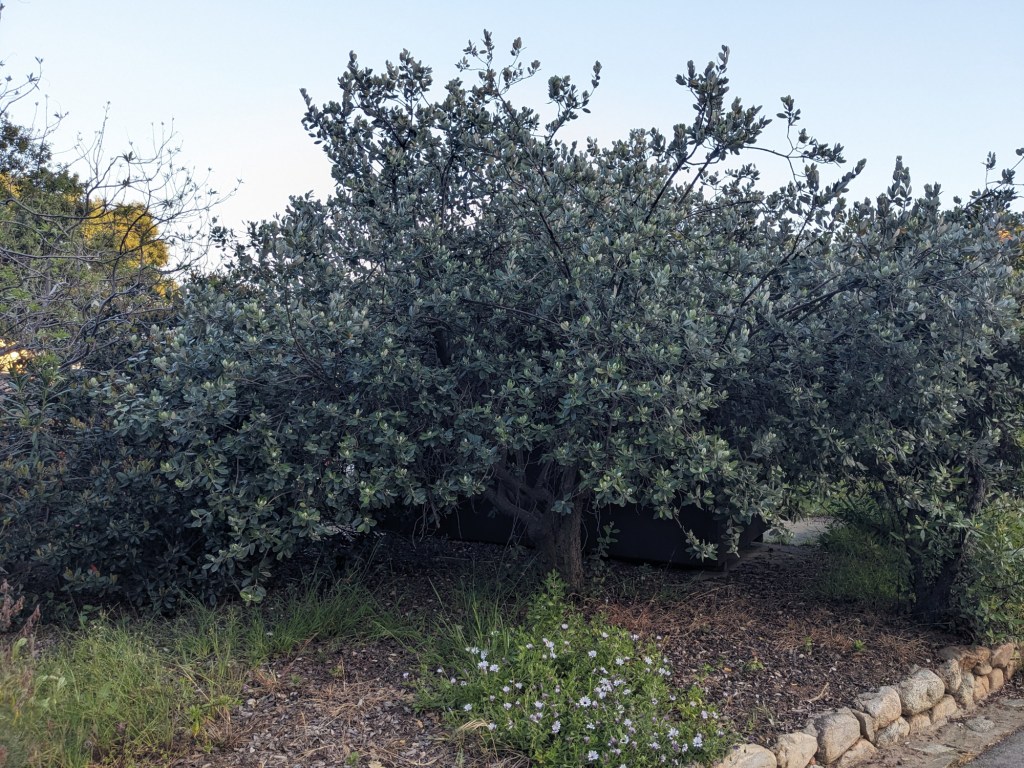
The feijoa tree in all of its glory — the tallest branch is perhaps 8 or 10 feet off the ground