Frequently Brewed Recipes

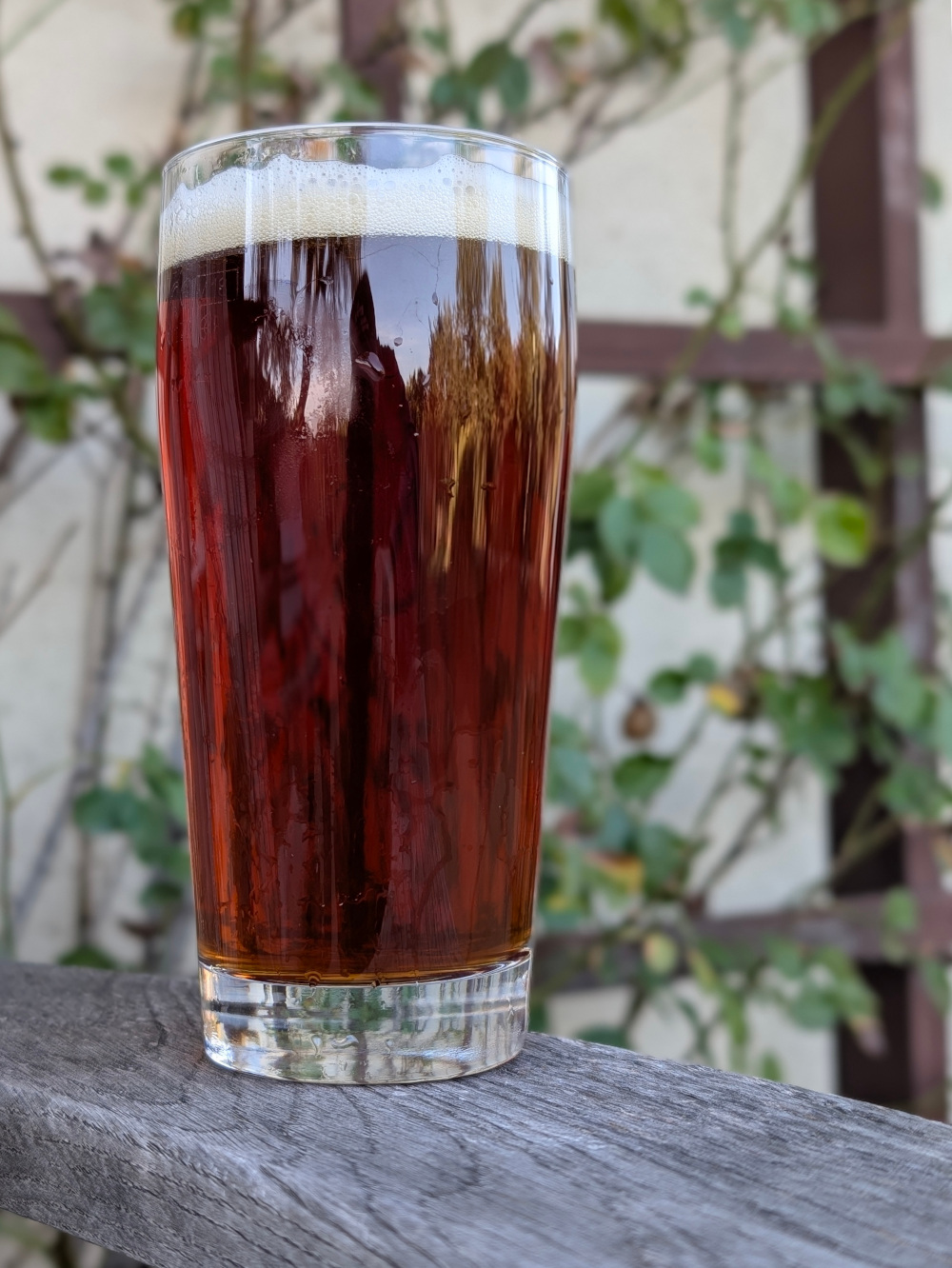
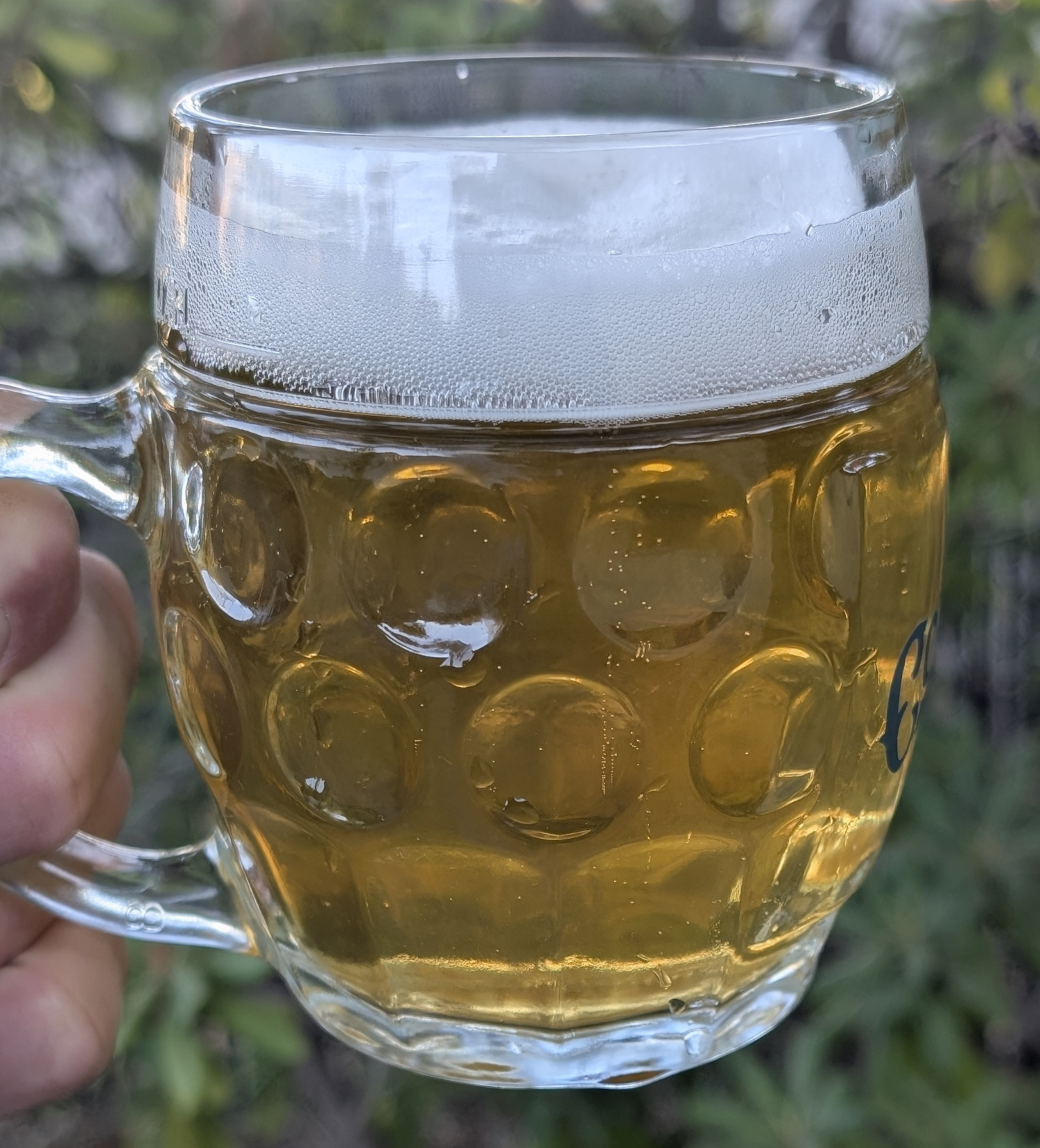
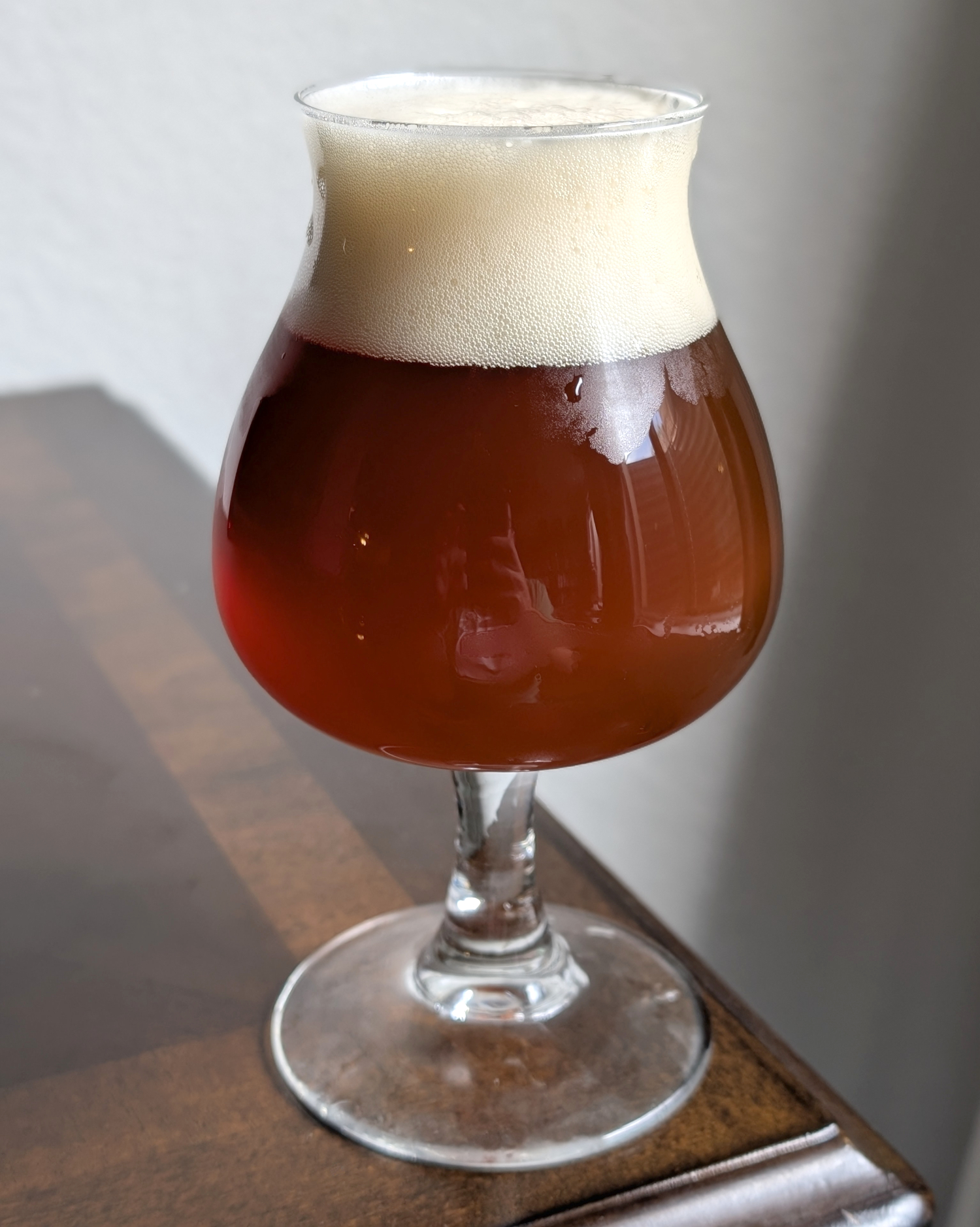
A recent social media post (I don’t remember where now; maybe the AHA Forum?) asked about frequently brewed recipes. In the interest of curiosity, I dove into BeerSmith and assembled some statistics on recipes that I have brewed four or more times. I chose four as the cut-off because I have some three-peats that aren’t quite as remarkable or were early attempts to improve my brewing.

Collectively, I have brewed 11 recipes at least four times, comprising 17 percent of my recorded batches to date. It was interesting to track this, because some (e.g., Eagle Face Oatmeal Stout and Alstadt Alt) are still in semi-regular rotation, whereas others (e.g., Fake Tire Amber Ale) haven’t been brewed in years.

The common thread with all of them is that I just like how they taste. My tastes have changed over the years–I can say I’m much more into German styles now than I was in my early days–so it will be interesting to revisit this list in 5 or 10 years and see what is new and what has dropped off. I’m also inspired to revisit some recipes soon (looking at you, Orange Summer Wheat), but there are so many things I want to brew that it may or may not happen.

In any case, here’s the list!
  • 4 (Four) Brews
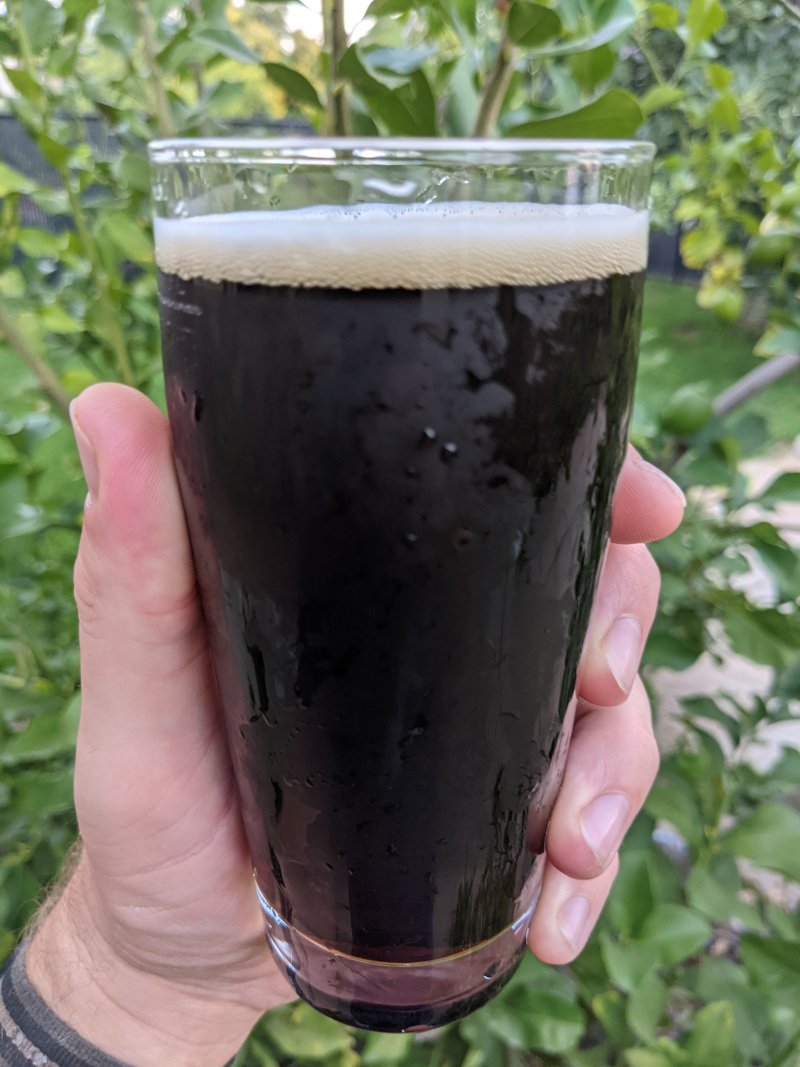
    • Dunkel-Osteus
      • I really love this Munich dunkel, and it is definitely my favorite dark lager recipe. Plus, it comes with a really fun beer pun. I learned after my early batches that Chris Colby had a different recipe by the same name in his Home Brew Recipe Bible–great minds think alike! While researching this post, I discovered that my recipe has been brewed by at least one other person, which was a fun surprise.
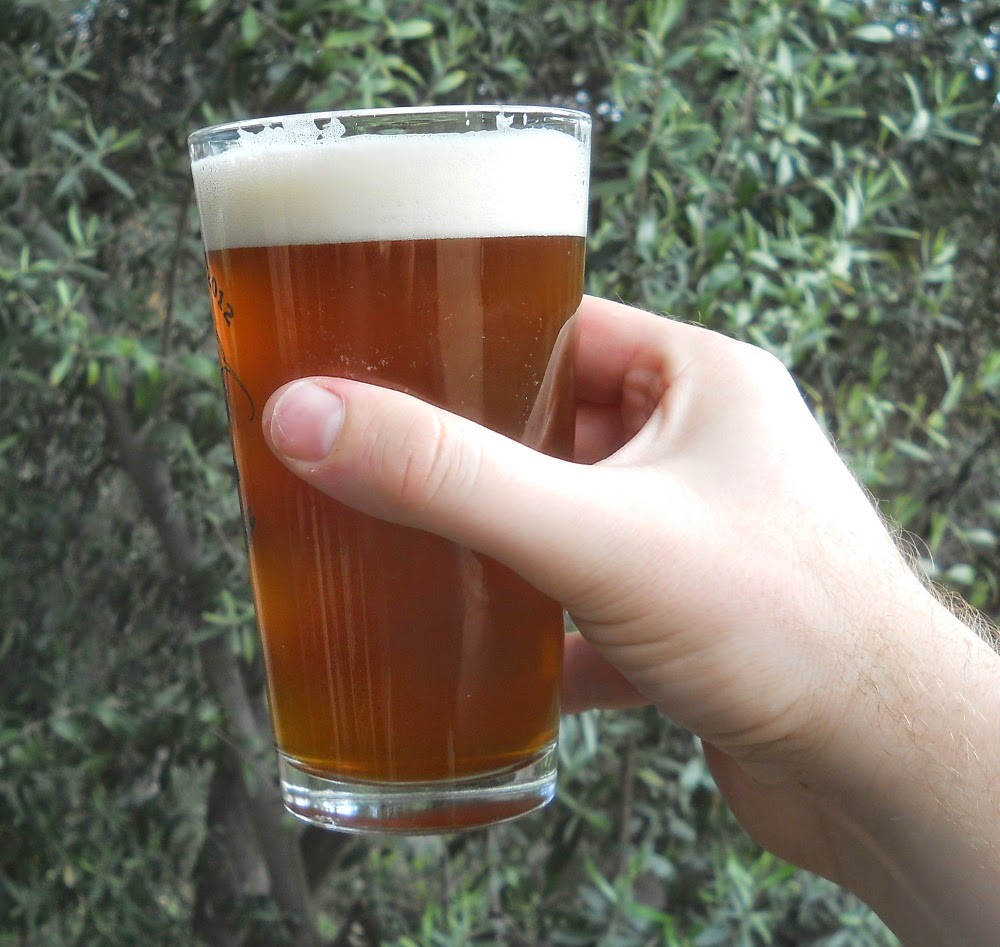
    • Gondwana Pale Ale
      • Not much to say about this one. I went through a phase of brewing it from 2014 to 2017, but haven’t touched the recipe since. My notes show it to be decent, so I might resurrect it at some point, but then again there are so many other great pale ale recipes available. I recently dusted off the name for Gondwana IPA, a completely different recipe.
  • 5 (Five) Brews
    • Alta California Lager (including current batch)
      • The first batch of this is one of the best beers I ever brewed. I’ve tried to recapture that lightning in a bottle multiple times, with variable success. Recently, I revisited the recipe and returned to the initial cereal mash technique, to see how that might help things. It’s now conditioning in the keg, so I’ll have to wait before claiming success.
    • Fake Tire Amber Ale
      • Fat Tire, how I have missed you! The reformulation of the beer by New Belgium was probably necessary for the bean counters, but created something quite different from the original that I loved. So, the “original” Fat Tire is one of those classic craft beers that only lives on in homebrew form. I made four extract batches, and it was my very first attempt at all-grain, over a decade ago. Perhaps it’s time to revisit?
    • Pannotia White IPA
      • The first time I encountered a white IPA (in Rome, of all places!), it was a palate-expanding experience. A hazy IPA before “hazies” were a thing, the mix of Belgian and American characters stood out. When I returned home, I had a burst of batches chasing this experience, and got pretty good results. I need to return to this recipe.
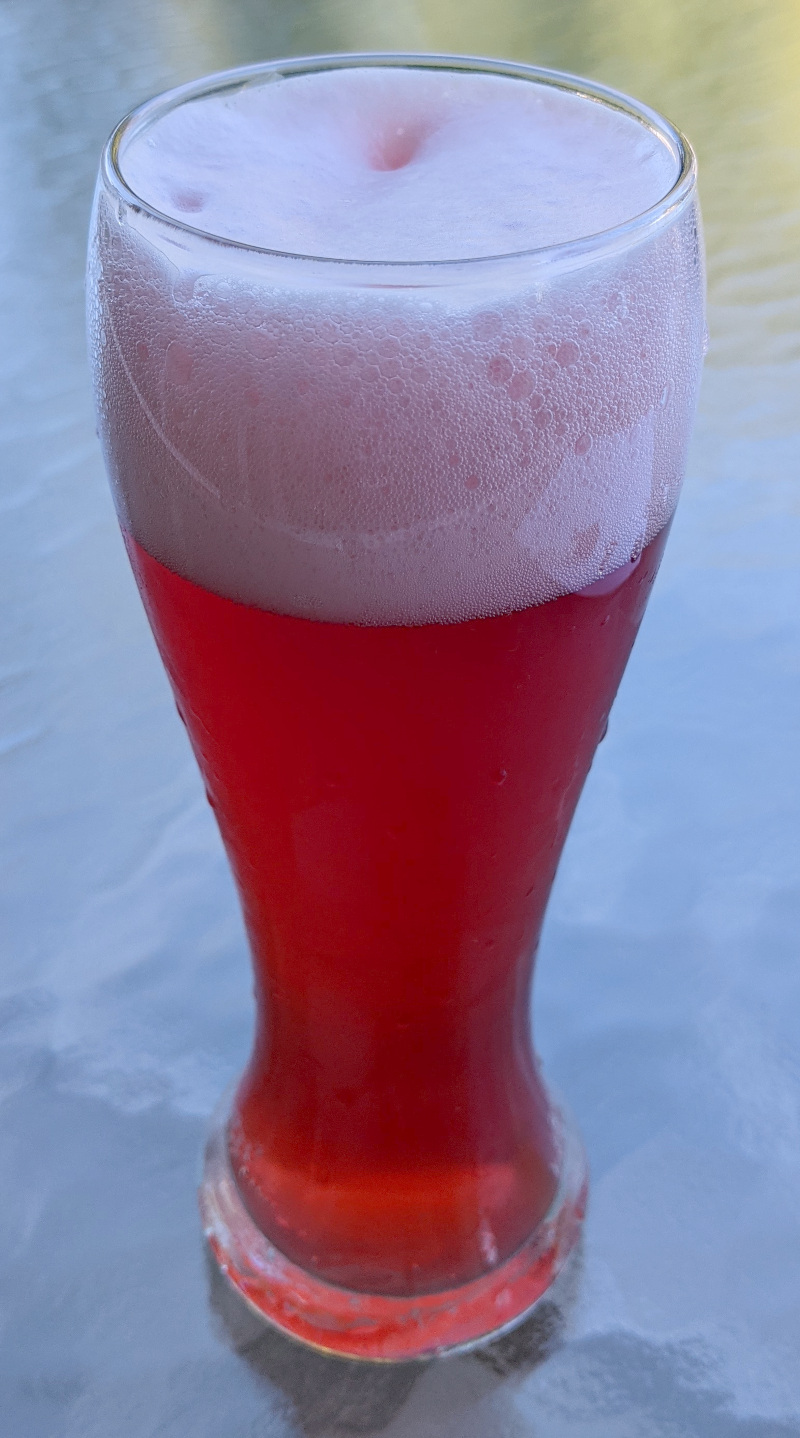
    • Raspberry Belgian
      • This recipe grew from a clone recipe of Funkwerks’ Raspberry Provincial. Somewhat perplexingly, the clone recipe recommended using a ton of acidulated malt to sour this one, but after the first batch I decided kettle souring would create a more tart and tasty beer. That was the right move, and I’ve enjoyed brewing it a few times since. It’s time for me to do this one again!
    • Snowdrop Kolsch
      • This is one of my favorite beers of recent years, although I’ve had some misses due to pulling the wrong grain bill and even an infection in one case. But when I get it right–wow! Unfortunately, two key ingredients (the Edelweiss hop blend and Köln Kölsch-style yeast) are no longer available, so I will either have to reformulate or scrap the name and create something new.
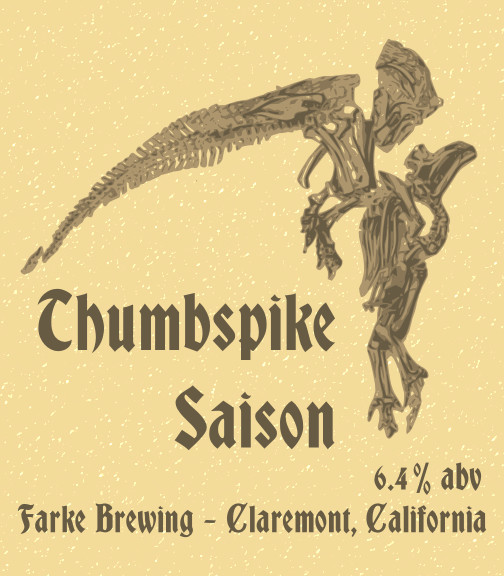
    • Thumbspike Saison
      • An early attempt at saison, and a fun Belgian-inspired paleontological name, I haven’t made this in awhile. I can’t see returning to it, because I’ve learned a ton about how to brew saisons, and I think my techniques and recipes are much advanced.
  • 6 (Six) brews
    • Alstadt Alt
      • Alstadt Alt ranks as one of my favorite recipes, and I’m incredibly proud of it! I’ve made minor alterations from batch to batch, but the overall effect is consistently pretty excellent. It’s a style that is not readily available, or at least not with any variety, so I’m always excited to share my homebrewed version.
  • 7 (Seven) Brews
    • Orange Summer Wheat
    • This recipe began as an extract batch, in an attempt to get close to Hangar 24’s Orange Wheat ale, and was a rare recipe to make the leap to all-grain. I haven’t brewed it in a few years, but need to do so. It’s an easy drinking crowd pleaser, making good use of our locally grown oranges.
  • 9 (Nine) Brews
    • Eagle Face Oatmeal Stout
      • The first brew for this batch was in 2014, and the most recent one in 2024. I’ve brewed it for home, I’ve brewed it for festivals, it has been featured in Zymurgy, it has been everywhere! This is a classic style, and one you don’t see as much anymore at breweries, but it’s still one of my favorite recipes. As I transition to an emphasis on smaller batches, I find that kegs of “heavy” beers like this just don’t move as quickly (even though it’s <5% abv for most interations). So, although I still love this beer, I anticipate brewing a 3 gallon version of the recipe next time.

Brew Year’s Resolutions 2026

I’m pretty satisfied with my brewing at the moment, which makes sense after nearly 20 years in the hobby! 2026 will be a year of small goals–but I do think it’s important to set some.

  • Submit something for publication about AquiloPils. It’s a cool story, there’s a cool label, and I have had intentions of writing it up, but just never made the time.
  • Improve my pH management. I’ve never really stepped up to serious pH measurement, mainly because good equipment is fairly expensive and finicky. In the past, I used cheap pH meters, but they’re not built to last. A few projects–such as Salty One Gose–would benefit from more precise pH data, so 2026 is the year to do this.
  • Rebrew Salty One Gose. Related to the goal above, this recipe ended up pretty good but I think will be stellar once I dial in the appropriate level of sour.
  • Embrace dry hopping for pale lagers and similar beers. I have avoided this due to concerns about haze, but I feel that I am missing an opportunity to get a subtle “pop” of hop aroma and flavor in my German pils and kölsch recipes. During the past year or two, I’ve been focusing on late kettle additions, and they have sometimes done well, but I feel like I’m often missing something. I aim to try this with a batch or two and see what happens.
Beer in stock photos always seems to be leaving a mess on the table. Why is spilled beer a trope? Photo by cottonbro studio on Pexels.com

2025’s Homebrew Highlights

2025 was a decent year for brewing; I focused in part on perfecting classic styles, in addition to returning to a few standby recipes. I feel that I know my brewing system pretty well and have been learning the mash and recipe formulation techniques to get to my destination. Interestingly, I was at nearly 100 percent dry yeast during the past year–I might try one or two liquid yeast varieties for particular batches, but in the end the variety and convenience of dry yeast can’t be beat.

  • Favorite Batch(es)
    • Mountain Town Stout was phenomenal, and (surprisingly) my first American stout.
    • AquiloPils was supremely enjoyable, probably in large part because of the story behind it.
  • Least Favorite Batch
  • Experimental Recipe With Most Potential
  • Most Fun New Style/Recipe to Try
    • Salty One Gose was amazing, and I think it will be even better when I dial it in more.
  • Upcoming Beer With Most Potential
    • Six-Shooter Abbey Singel is a Belgian ale clocking in around 6.7% abv; it’s still conditioning, but I’ll put it on tap soon!
  • Best Ingredient/Technique Added to Repertoire
    • This was the year of small batches, following my “Brew Year’s Resolution” of doing more small batch beers. This was greatly facilitated by adding an Anvil Foundry 6.5 to my equipment range. This smaller Foundry makes it so easy to do <5 gallon batches, which in turn has encouraged me to brew more often on this system. I’ve really enjoyed trying a bigger spectrum of styles; in many cases, 2.5 gallons is the absolutely perfect quantity.
    • Isaria 1924 malt was super fun to try, and I like how it tasted. I’ll be doing more with this!
  • Favorite Books / Publications
    • This year I started a subscription to Craft Beer & Brewing, and it has been a fantastic addition to my homebrew reading routine. The articles tend to focus a bit more on the commercial brewing side, but there are also tons of interesting style profiles. They also highlight lots of interesting homebrew scale recipes, and I’ve enjoyed brewing several. I still love Zymurgy and BYO (now sadly only in online form), but Craft Beer & Brewing brings something different.
  • Overall Stats
    • 24 batches
      • 8 were “half batches” (between 2.5 and 3 gallons)
      • I feel like I did a really good job of branching out into new styles, or styles I haven’t brewed much previously; this includes gose, American brown ale, American stout, Belgian single, and others.

Equipment Mini-Review: Anvil Foundry 6.5

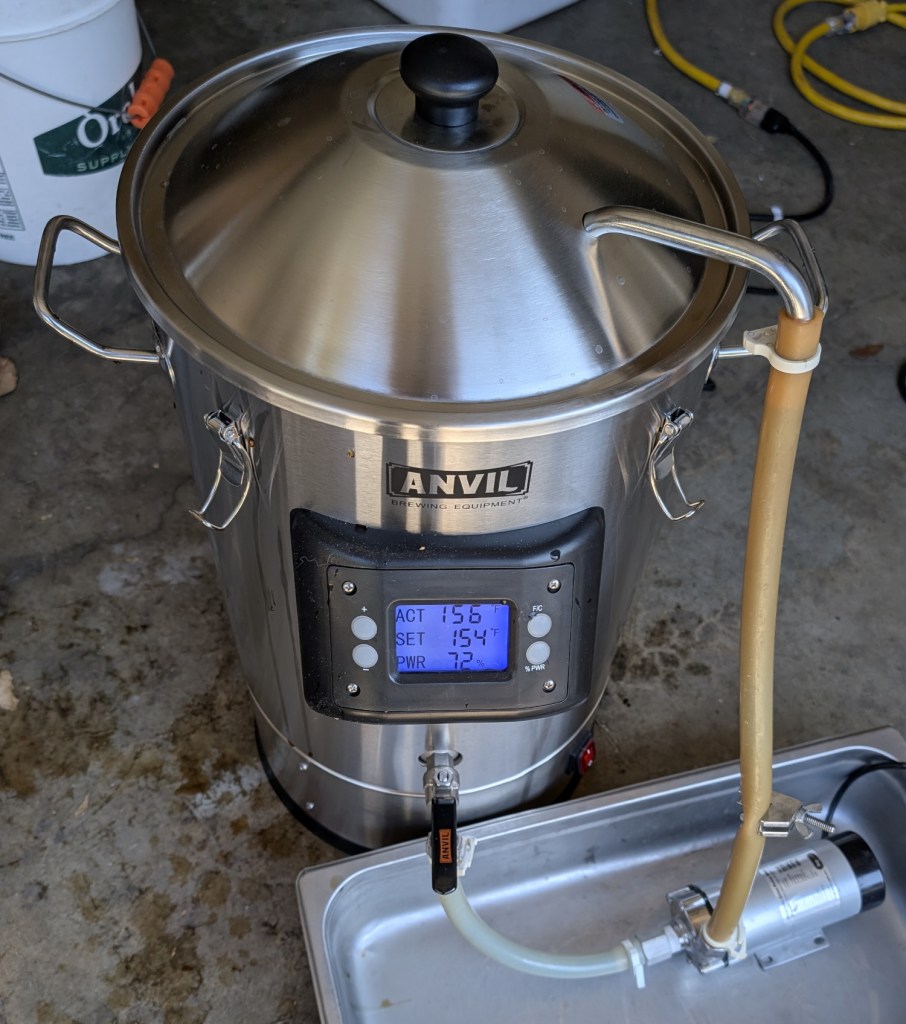
I have been brewing many more small (2.5 to 3 gallon) batches lately. It’s a great way to test out new styles–if I don’t like it I’m not stuck with 5 gallons. This has long been my favored format with high gravity beer, too; I don’t necessarily want 5 gallons of a 10% abv brew. I can manage well in my Anvil Foundry 10.5, but it’s a bit of a pain to navigate at smaller batches. The volumetric markings don’t go low enough to measure quickly, and a small mash can end up pretty thick within the brew basket. So, I decided that it was time to splurge a bit and add the Foundry 6.5 to my brewing setup. It is designed for smaller volumes, while also carrying over features like 220v brewing.

The form factor on the Foundry 6.5 is best described as “adorable.” It’s super compact and really easy to handle and clean compared to the Foundry 10.5. It was nice that I could reach so easily to the bottom on this one, which made the already easy cleanup on the Foundry a breeze.

Running at 220v, heating speeds were zippy, and the boil was vigorous. I had to turn it down to around 72% power to avoid too much loss to evaporation. My pump, which I also use with the 10.5 also, works great with the 6.5. The one change is that I had to use tubing of slightly different lengths; a mild annoyance, but at least I didn’t have to buy new tubes. I really like that I didn’t have to buy another recirculation kit.

With smaller batch volumes, I’ve noted that my brew days are definitely shorter; perhaps around 4 hours start to finish versus 5 hours with the 10.5. I could make it a bit shorter if I had colder water for the chiller, but it definitely feels like a more compact brew day overall.

In short, I’ve been having fun with this. The Foundry 10.5 does a great job for 5 gallon batches, but the 6.5 can’t be beat for 2.5 or 3 gallon batches! If you are planning to do only small gallon brews, or you want to extend your brew capabilities, the Anvil Foundry 6.5 has my enthusiastic endorsement.

AHA Next Steps…Vision and Priorities

The AHA’s re-launch as a 501(c)(3) is apparently well underway. I think “they” (the founding board) have done an excellent job in communication and transparency so far, with a newsy update on the website, forum Q&A, and upcoming virtual town hall. In my opinion, we’ve seen more transparent communication about AHA in the past month than I’ve seen in the past decade. Serious kudos to the founding board for enabling this. At least so far, it feels like things are heading in a good direction, and that there is a genuine attempt to move along from “how we always did things,” the bane of so many organizations.

Photo by vedanti on Pexels.com

AHA has now posted and invited comment on its draft vision statement, as follows:

We celebrate, educate, and promote the art, science, and joy of fermentation, championing a united community of today and tomorrow’s homebrewers.

As I submitted to AHA, I really like this version of the vision statement. My initial (half-comprehended) take was that this was way too broad, but I think the use of “homebrewers” at the end brings the vision back to AHA’s roots while also allowing a big tent for fermentation in the future.

AHA also provided their draft strategic priorities, as follows:

1) Organizational Strength & Health
2) Knowledge & Learning
3) Community, Collaboration & Competition

My submission to AHA: I have no significant feedback on these; all are on-target and appropriate. I think my main curiosity is what they envision being encompassed within each. Organizational strength and health is a logical first priority, as AHA gets its feet under itself. I view #3 (community, collaboration, and competition) as essential for strength and health. What is AHA’s value proposition now, and how does it engage new members and retain old members? Members who are invested and feel like they have a voice will continue their membership and also be more open to philanthropic support. There will need to be some additional thought around how to shift member culture from the “old way” (minimal communication, little engagement in decision-making, one big in-person event annually, homebrewers viewed implicitly are primarily useful for marketing craft beer, philanthropy something we do for other organizations) to a new way that encourages dialogue, creates meaningful opportunities for participation in decision-making, creates a community where as many people as possible feel like they have a voice, where they have a connection, and all in a way that gets people to think about chipping in a little extra support for AHA. This is a culture shift — but one I think AHA can do! The transparent communication is a HUGE first step; keep up that great work!