2017’s Homebrew Highlights

20171113_1742532017 was a fun and productive year for my brewing. Here’s are some of the highlights:

  • Favorite Batch
    • Dunkel-Osteus
      • My first Munich dunkel brought together several techniques I had been practicing–water adjustments, late addition of dark grains, and lagering. It came out nearly perfectly, creating an intensely enjoyable and very drinkable beer.
  • Least Favorite Batch
    • Czech-ed Out Pilsner
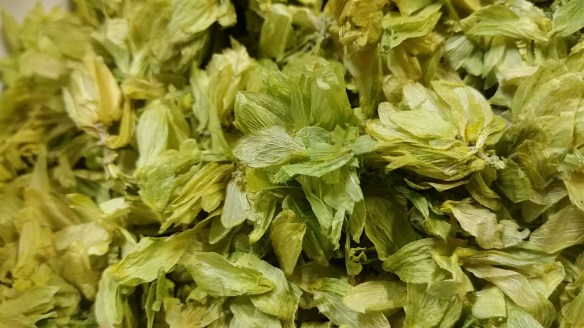
      • My first dumped batch. When the hops have a funny aroma in the bag, they’re not going to have a better aroma in the brew. This ended up as a grassy-smelling mess (even though it looked beautiful). Lesson learned!
  • Experimental Recipe with Most Potential
    • Raspberry Belgian (version 1 and version 2)
      • I did two iterations of this batch; one with frozen raspberries and acid malt to provide fruit and tartness, respectively, and one with canned raspberry puree and kettle souring. The first batch hit the fruit flavor much better, although it wasn’t terribly tart. The second batch didn’t have nearly as nice of flavor or as pretty of a color, and was almost too sour. So, I’ll probably try another kettle-soured version that hits less acid (maybe a pH around 3.8?) and uses frozen fruit. With a bit of tweaking, this recipe should be a solid one.
  • Most Fun New Style/Recipe to Try
    • Red Rye Lager
      • I haven’t tasted the results yet, but this batch was just plain fun to plan and brew. I enjoyed experimenting more with rye, as well as applying my developing skills for lagers. It was probably the most creative brew I’ve done in awhile, in terms of going off-script for recipes.
  • Best Technique Added to Repertoire
    • Kettle souring with yogurt
      • I tried this with the second iteration of the Raspberry Belgian, and loved the concept. It’s way cheaper and easier than buying a fancy bacterial culture, and produces a nice, clean sourness. I want to try this with a few other styles, such as Berliner Weisse.

20170625_205023

  • Best Ingredient Added to Repertoire
    • I discovered the Amoretti Craft Puree series at Homebrew Con this year (we got a bottle in our “swag bag”), and have really been enjoying playing with it. It seems to fill a nice niche in between fruit extracts and straight fruit purees; the blood orange variety went nicely with my American wheat beer, and I also crafted a tasty peach IPA with the stuff. 2018 will bring more brews with this series of purees!
  • Favorite Book
    • As we close out the year, I just finished Pete Brown‘s Miracle Brew. I’ve enjoyed Brown’s writing, since I discovered Hops and Glory, and this book is a worthy successor. Brown excels at combining travelogue with beer history, while being pretty entertaining in the process. Miracle Brew is no exception–he surveys the history and cultural influence of major beer ingredients, while introducing us to many of the folks behind the scenes. His books tilt towards the British (I got a bit lost in the otherwise enjoyable Man Walks Into a Pub, because I’m not immersed in British pub culture), but this one is cosmopolitan enough to be engaging even for us Americans. Highly recommended!
  • Other Milestones
    • It was a good year for blending beer and science communication; I had an article in Zymurgy on the evolution of hops, which presented a ton of new information on hops that hadn’t made it into the brewing literature yet. Additionally, I put together a slide presentation on the intersections between beer and paleontology, which I gave at several venues (including HomebrewCon).
  • Overall Stats
    • I brewed around 30 batches this past year–that’s a new record!
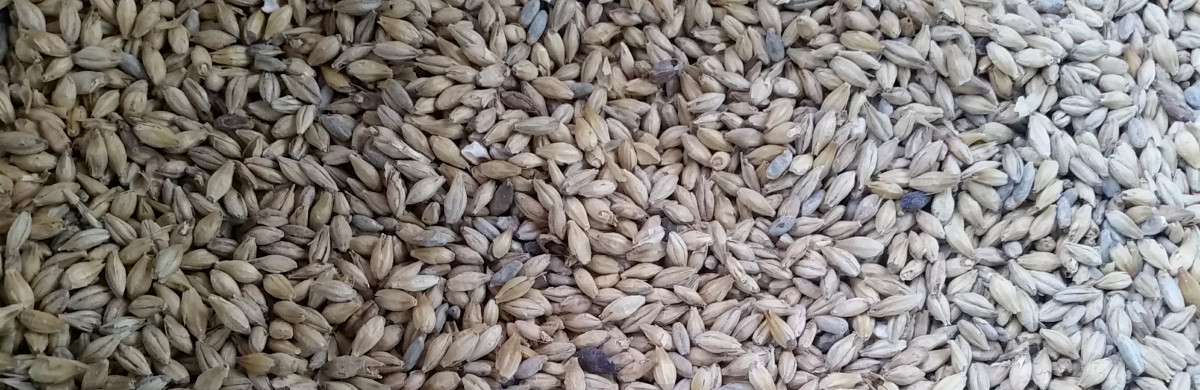
Red Rye Lager

Moving through the winter months, and moving through my practice in the world of lagers, I’m feeling like something a bit different. I’ve got a good, clean German pils conditioning, so yet another pale lager would be somewhat boring. St. Patrick’s Day isn’t that far away, so an Irish-inspired beer seemed intriguing. I like Irish red ales, but rarely brew them. And then I thought…what about a red lager? Let’s take an Irish red ale recipe, and lagerize it!

Thus, my Red Rye Lager was born. I started with the Better Red Than Dead recipe from AHA, and worked a bit of magic on it. Instead of Maris Otter, I subbed in pilsner malt. To add a little more character, I dropped in a pound of rye malt. Thanks to a suggestion on the AHA forum, I used Carafa III instead of roasted barley for color adjustment. The hops got switched over to lager-appropriate hops, too. Finally, I wanted a yeast that would be clean but flavorful–and a California Common yeast seemed perfect.

20171222_140511

This was a fun recipe to work out…I feel like it’s something a bit different and creative. It doesn’t really conform to any particular BJCP style, which is also a plus in my book! The style guidelines are handy, but I find sometimes discourage me from thinking outside the box. I’m not brewing this for competition, so the sky is the limit!

Red Rye Lager

  • 5 lbs. Château Pilsen malt (Castle Malting)
  • 1.5 lbs. Barke pilsner malt (Weyermann Malting)
  • 3 lbs. Munich I malt (Weyermann Malting)
  • 1 lb. rye malt (Briess Malting)
  • 0.5 lb. CaraRed malt (Weyermann Malting)
  • 2 oz. Carafa III malt (Weyermann Malting)
  • 0.5 oz. Magnum hop pellets (13.2% alpha), 45 minute boil
  • 2 oz. Hallertauer Mittelfrueh hop pellets (4.0% alpha), 5 minute boil
  • 1 Whirlfloc tablet, 10 minute boil
  • 0.5 tsp. Fermax yeast nutrient, 10 minute boil
  • 1 pkg. San Francisco Lager Yeast (White Labs, WLP810), prepared in 1.75L starter

Target Parameters

  • Infusion mash to hit target of 152°, 60 minutes, batch sparge
  • 1.053 o.g., 1.016 f.g., 4.8% abv, 26 IBU, 14 SRM
  • Water adjusted to hit target of 52 Ca, 10 Mg, 11 Na, 43 SO4, 53 Cl, 109 HCO3, RA 46 ppm.

Procedure

  • I prepared a 1.75L starter for the yeast, 24 hours in advance. Within 12 hours, it had a visible fermentation.
  • I mashed in with 4.5 gallons of RO water, with 2 g Epsom salt and 3 g CaCl added, in addition to 3 mL of 75% phosphoric acid. The strike water was around 165°, to hit a mash temperature of 154°. It was down to 149.5° after 60 minutes. At this point, I vorlaufed, drained the mash tun, and added 4.5 gallons of tap water at 180°.
  • After waiting another 10 minutes, I vorlaufed and drained the mash tun again.
  • In total, I collected 7.3 gallons of wort with a gravity of 1.047, for 81% efficiency. Wow! I wonder if it was because I had a slightly thinner mash than normal?
  • I brought the runnings to a boil, adding hops and other ingredients per the schedule. After a 60 minute boil, I turned off the flame and chilled down to 70°.
  • I transferred the wort to the primary fermenter, and then hit it with 2 minutes of pure oxygen. I pitched the yeast, and sealed it all up. I will be fermenting at 60°.
  • The beer was brewed on 22 December 2017. Starting gravity was 1.053, exactly on target. I ended up with just over 6 gallons in the fermenter.
  • I cold-crashed the beer on 1 February 2018, and kegged it on 2 February 2018. Final gravity was 1.013, for 5.3% abv.

Tasting Notes

  • Aroma
    • A nice crisp spicy aroma, with a gentle malt aroma behind that. Really nice.
  • Appearance
    • A beautifully clear reddish amber color, with an ivory head that starts as thick, tall foam before settling down to a persistant blanket across the top of the beer. Really nice!
  • Flavor
    • The rye spice note is at the back of this beer; it’s not overwhelming, but definitely detectable, which is awesome. The malt backbone is very present, with that nice toasty note that you get from Munich. The bitterness is firm but gentle, standing up perfectly to the malt.
  • Mouthfeel
    • Medium bodied, moderately high carbonation. The finish is somewhat dry, but not overwhelmingly so.
  • Would I brew this again?
    • This is a wonderful beer! All of the flavors blend perfectly, to make a tasty and very unique beer. This isn’t the sort of thing that I would enter into a competition, because it’s just too off-beat for any category. Not quite amber lager, not quite steam beer.
  • Overall
    • 10/10

Attempting my first hard cider

I like an occasional cider, but southern California isn’t exactly the land of apples. We do citrus and avocados quite well, but the flavorful apples that form the core of a good cider just don’t exist here. As a result, I’ve never brewed any ciders. A bit of reading and some chance conversations, though, got me thinking about giving it a try. Plus, it’s a nice time of year for the stuff!

ciderThis recipe is dead simple: apple juice and yeast. I may add 10 mL of 88% lactic acid at the end (per suggestions from Brülosophy), and may even backsweeten a touch (we’ll see). This is a first batch, so it’s entirely new territory.
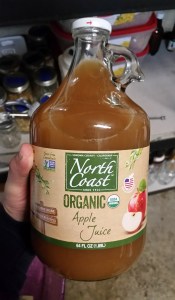
After looking through the options at the local grocery store, I settled on a blend from North Coast. I liked the hazy look (which presumably means a slightly more complex flavor as opposed to the typical hyper-filtered juice), and it didn’t have any preservatives in it.

Dead Simple Hard Cider

  • 3 gallons North Coast apple juice (pasteurized, no preservatives)
  • 1 package Safale US-05 ale yeast

Target Parameters

  • 3 gallons into the fermenter, ~2.5 gallons in the keg
  • 1.042 s.g., 1.000 f.g., 6.8% abv

Procedure

  • I dumped the 3 gallons of juice into a sanitized fermenter and pitched the yeast.
  • I started this batch on 27 December 2017. I am fermenting at 66°; starting gravity was 1.042.
  • I kegged this batch on 7 January 2018. Final gravity was 1.001, meaning I am sitting at around 5.4% abv.

OverDRyeV Ale

I’ve done very little brewing with rye; this is a fairly common ingredient in commercial (and home) brews, but I rarely use it in my own recipes. A search of my blog found only two instances, in fact (a pilsner and an oaked ale)! Why not explore the ingredient a bit, then?

The December 2017 issue of BYO magazine had a clone recipe for Shoreline Brewery’s Red Rye Ale that looked pretty tasty. I liked that it incorporated several varieties of rye malt, and I also liked that it wasn’t just another rye IPA (although that style also is in my future). I made some minor modifications for my on-hand hops, and also substituted in Weyermann CaraRye for non-Weyermann crystal rye, which I couldn’t find readily (it was supposed to be equal amounts of CaraRye and crystal rye).

In the past, I’ve noticed that my higher gravity mashes, as well as mashes with a percentage of flaked grains, tend to come in a bit lower on mash efficiency. So, I assumed 70% for efficiency (instead of my usual 75% or so), and managed to come pretty close.

My goal with this brew is to have a medium body, malty brew that will serve well during the winter months. The brew session was fairly uneventful, helped along by a generous portion of rice hulls to prevent a stuck sparge. My only minor disappointment was that I ended up a shade below my target gravity (1.068 vs. 1.072). Because I am hitting my preboil volumes and gravities fairly well, I think I just need to improve the vigor of my boil.

I also tested out my oxygen wand setup; I had a bit of a disappointment recently with a stuck fermentation on a high gravity brew, so wanted to avoid that in this batch, which was supposed to clock in slightly above 1.070 for starting gravity.

The name, if you couldn’t guess, is a pun on “overdrive”, so named because of the hefty dose of rye malts. The “V” at the end is because I used California Ale V yeast.

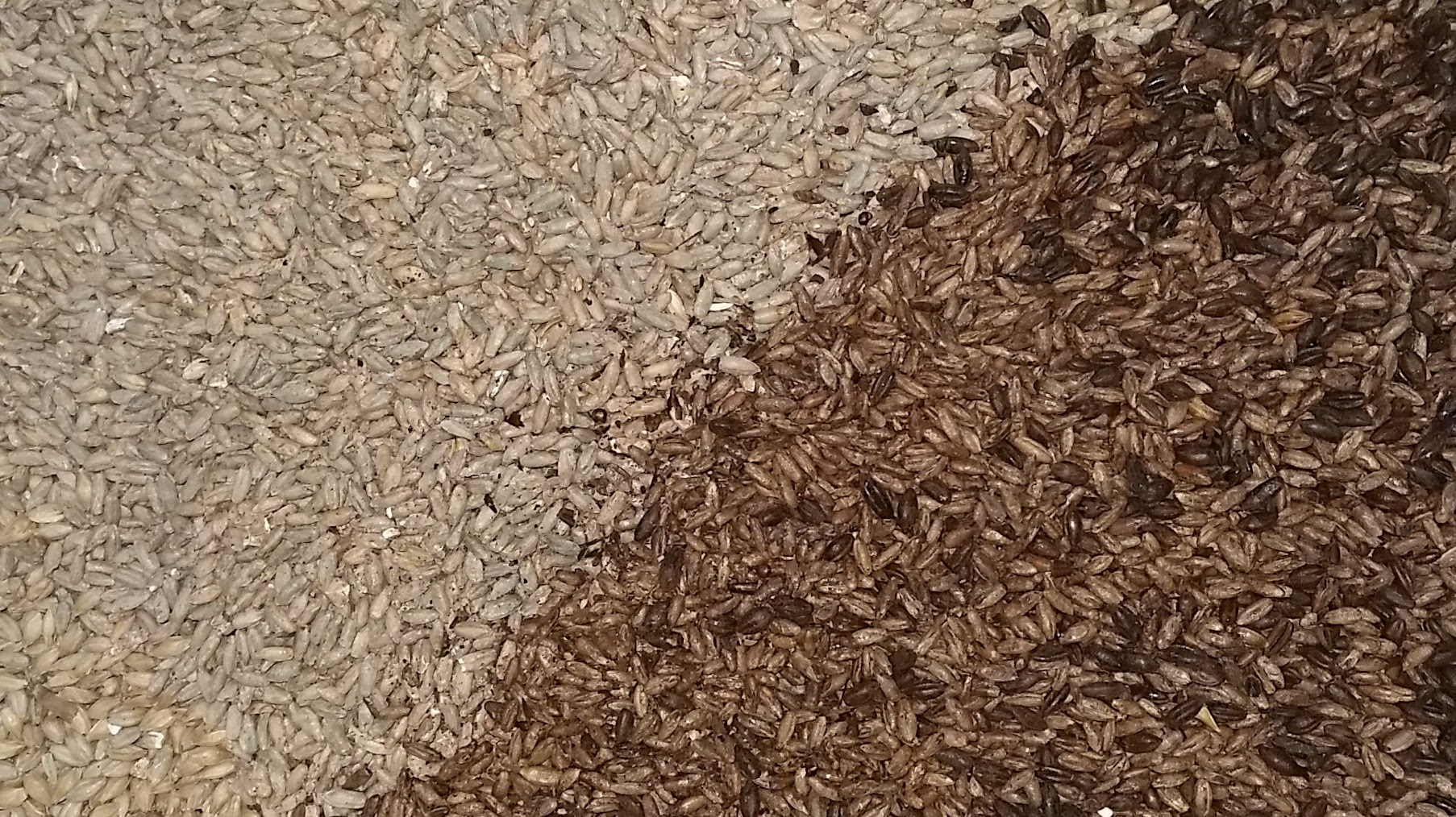
rye

OverDRyeV Ale

  • 7.5 lbs. 2-row California Select brewer’s malt (Great Western)
  • 4 lbs. Golden Promise malt (Simpsons)
  • 2 lbs. rye malt (Briess)
  • 1 lb. CaraRye malt (Weyermann)
  • 0.75 lb. flaked rye (Briess)
  • 2 oz. Carafa Special II malt (Weyermann)
  • 2 oz. chocolate rye malt (Weyermann)
  • 4 oz. rice hulls
  • 4 oz. Cascade whole hops (5.5% alpha), 60 minute boil
  • 1.25 oz. Perle hop pellets (4.5% alpha), 30 minute boil
  • 0.75 oz. Perle hop pellets (4.5% alpha), 2 minute boil
  • 1 Whirlfloc tablet, 10 minute boil
  • 0.5 tsp. Fermax yeast nutrient, 10 minute boil
  • 1 pkg. California Ale V yeast (WLP051, White Labs), prepared in starter

Target Parameters

  • Infusion mash to hit target of 152°. Batch sparge.
  • Claremont tap water, with addition of 2 g CaCal and 10 mL phosphoric acid (75%) to strike water.
  • 1.072 s.g., 1.018 f.g., 78 IBU, 16 SRM, 7.1% abv

Procedure

  • The night before brewing, I made a 1.5L starter for the yeast.
  • I mashed in with 5.5 gallons of water at 164°, to hit a mash temperature of 153°. After 60 minutes, I vorlaufed, drained the mash tun and added 3.5 gallons of water at 185°. After resting for 10 minutes, I vorlaufed the drained the mash tun again.
  • In total, I collected 6.8 gallons of runnings with a gravity of 1.057, for 69% efficiency.
  • I brought the mixture to a boil, and boiled for 60 minutes while adding hops and other additions at the appropriate times.
  • After 60 minutes, I chilled to 75° or so, transferred to the fermenter, and oxygenated for 1 minute.
  • I brewed this on 4 December 2017. The wort had a starting gravity of 1.066; this was a bit below my target, so I should probably boil a bit more vigorously on the next batch to drop gravity appropriately.
  • I started fermentation at 68°, and let it drop to ambient in the cooler (66°) after six days. Then, I raised the temperature to 70°, where it rested for a week before kegging.
  • I kegged the beer on 17 December 2017. It had a final gravity of 1.015. Thus, I have an estimated abv of 6.7%. The beer has a really nice and rich rye taste; it’s going to be an awesome winter beer once is carbonated and on tap!

Brew Updates: Palaeotis Pils 1.2 & Old Pine Pale Ale

I’ve kegged two of my brews in the past week, incluing my German pils and my American pale ale. Here are the details!

  • After 10 days in primary, I kegged Old Pine Pale Ale on 12 December 2017. I added the dry hops at this point, in a bag. Depending on how it works out, I may or may not remove the hops. I force carbonated the keg, and had it on tap by 16 December. The brew is pretty hazy at this point, and should clear up with time. Final gravity was 1.012, down from 1.052, working out to 5.2% abv.
  • My latest iteration of Palaeotis Pils started fermentation on 20 November 2017. It fermented at 50° until 27 November, when I raised the temperature to 54°. I raised the temperature to 66° on 2 December 2017, and cold crashed it on 10 December 2017. I kegged the beer on 16 December 2017. Final gravity was 1.010; with a starting gravity of 1.049, we’re clocking in at 5.1% abv. There is a touch of haze, which I’m going to settle out with time and cold.