10 Years of All-Grain Brewing

Looking back through old blog posts, I realized that my first all-grain beer was just over 10 years ago! It was a little intimidating to get started–those days were before the now ubiquitous all-in-one systems, back when the most visible mode of brewing was a shiny (and expensive, and space-hogging) three-tier system. Thankfully, I discovered batch sparging, and this tipped the scales enough for me to try at all-grain.

I have learned a ton since then, so wanted to jot down some of the lessons for posterity. Here we go!

  • Crush is probably the most important factor for me. It can be make-or-break, especially when first learning process, and it has been so worth it to get a mill of my own so that I can dial in this variable. This has made my extraction efficiency quite predictable!
  • For those going into all-grain brewing nowadays, I would suggest either brew-in-a-bag (especially for smaller batches or smaller budgets), or an all-in-one. The Anvil Foundry has been a great investment, and makes my brew sessions all the more enjoyable. A three-tier system just isn’t worth it for me, and I would say even batch sparging is not a good route if you have the cash for all-in-one or brew-in-a-bag.
  • Mash temperature matters, but not as much as I thought. I used to obsess over being within a fraction of a degree, and that was not mental energy well spent. If you are 5 or 10 degrees off — sure, that’s going to affect your intended results. But if you are within 1 or 2 degrees, it’s almost certainly not going to be noticeable.
  • It’s worth having a stash of bulk base malts. At one point, I had three or four bags on-hand, and now I’m down to 2-row and pilsner as my usuals. Perhaps I should pick up a bag of Maris Otter and/or Vienna, but I just don’t brew enough for styles that require them. I don’t think I’ve ever gotten Munich in bulk, but it’s so strong as a flavor that I don’t use it much.
  • Decoctions can be fun. It’s worth giving a try sometime. Same for cereal mashes. But, you can make great beer without them.
  • The biggest benefit of all-grain brewing for me? I get endless recipe control, and it opens up a ton of (grain) ingredients and styles that would be hard to do otherwise.
  • All-grain brewing is no substitute for good temperature control.
  • Sometime soon, I need to do an extract batch. Just for fun, and to see if what I have learned will generate something awesome.

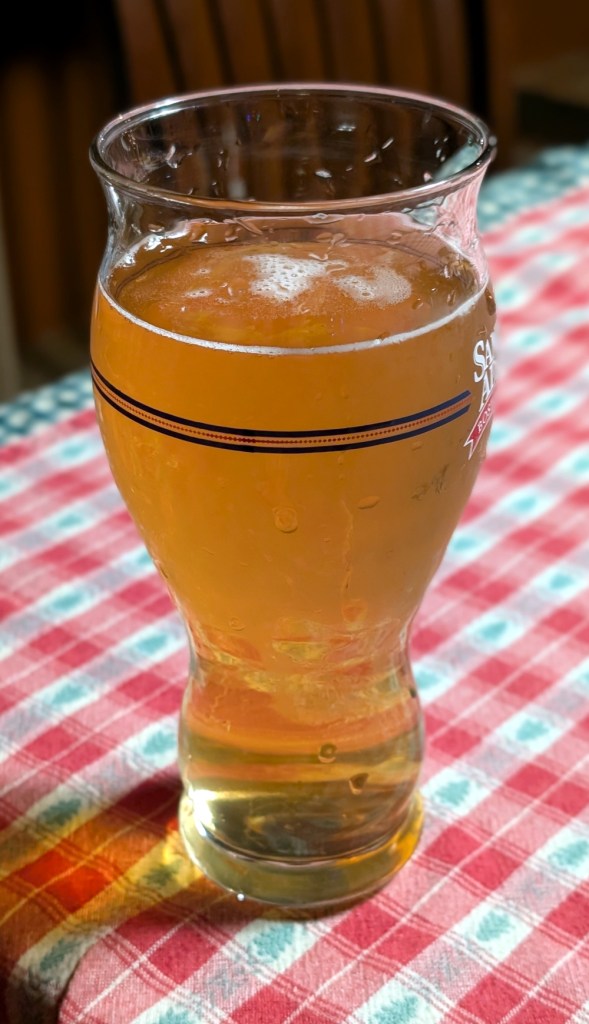
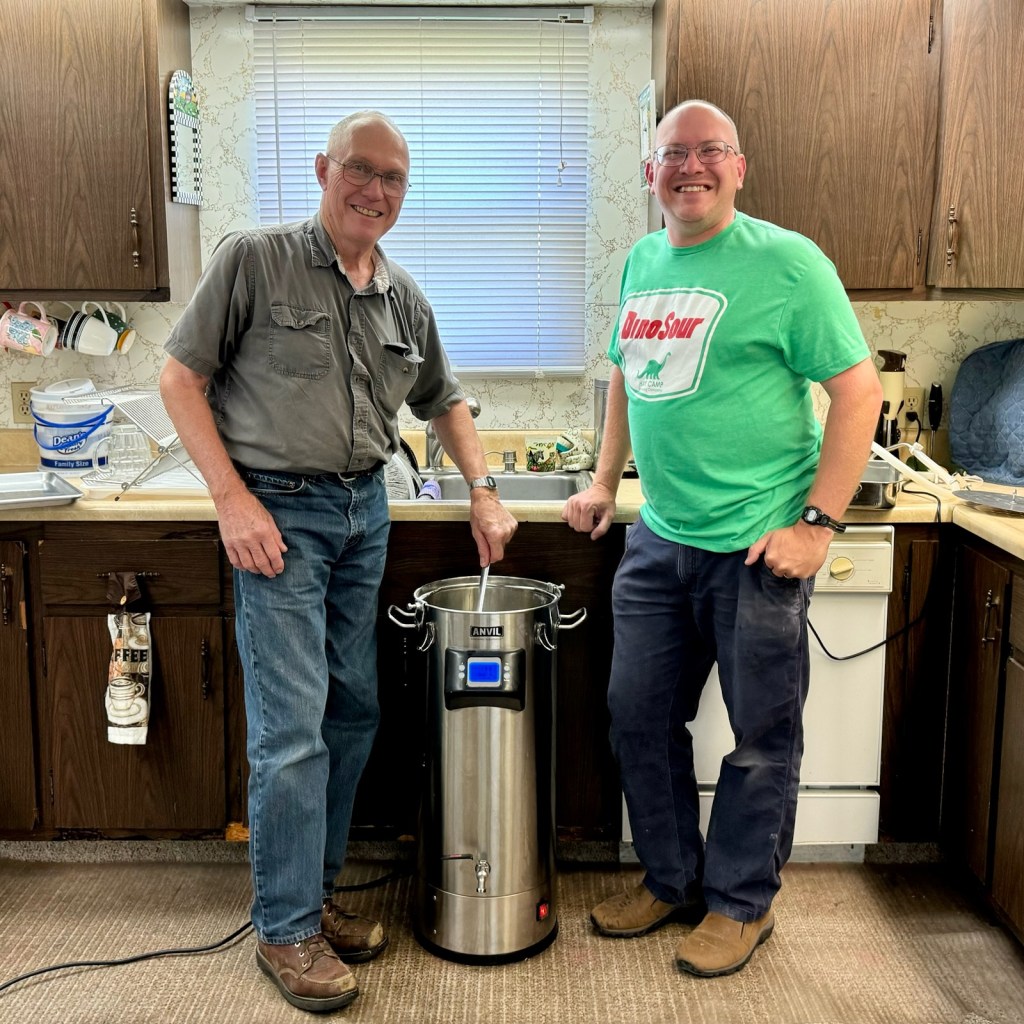
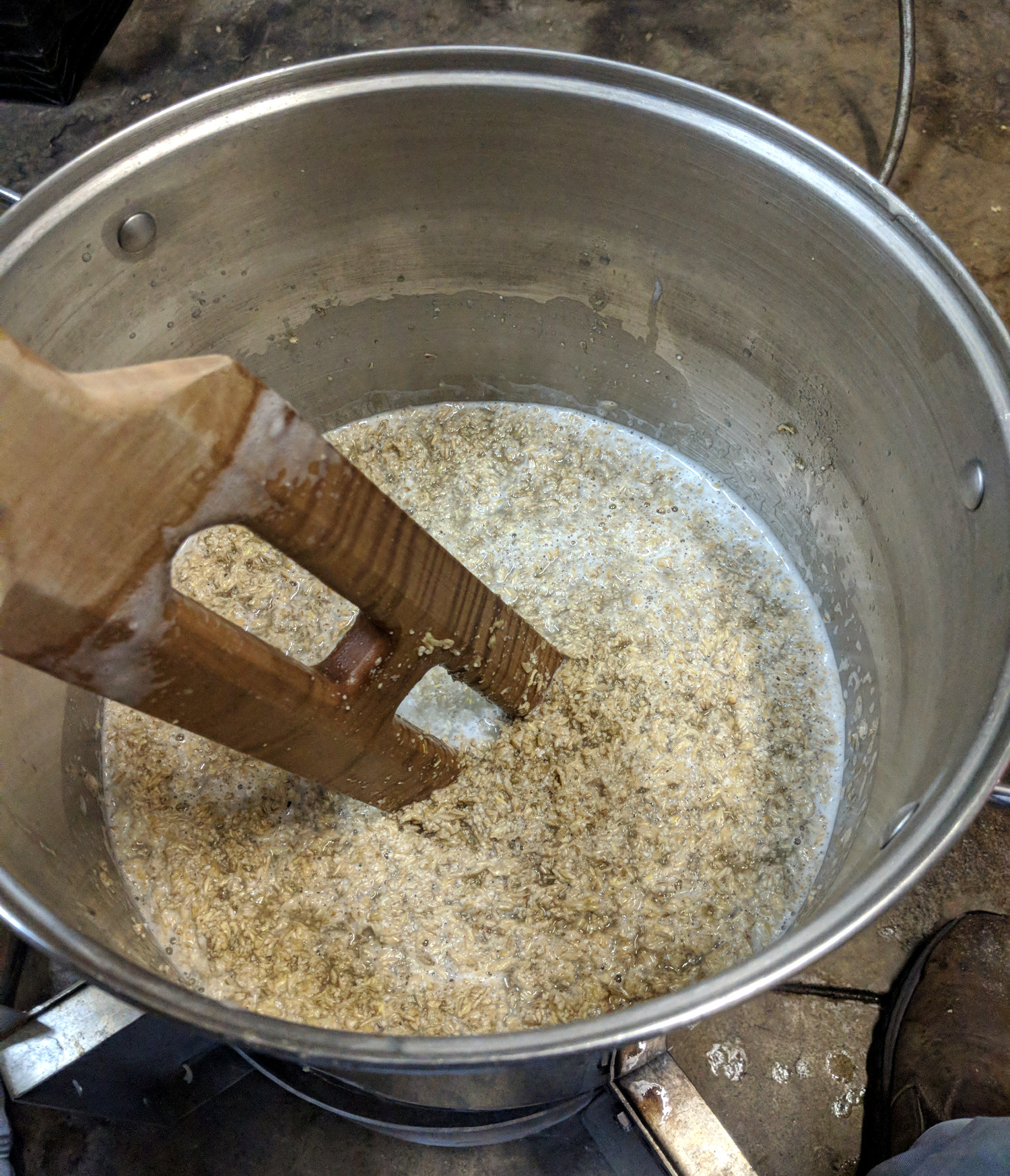
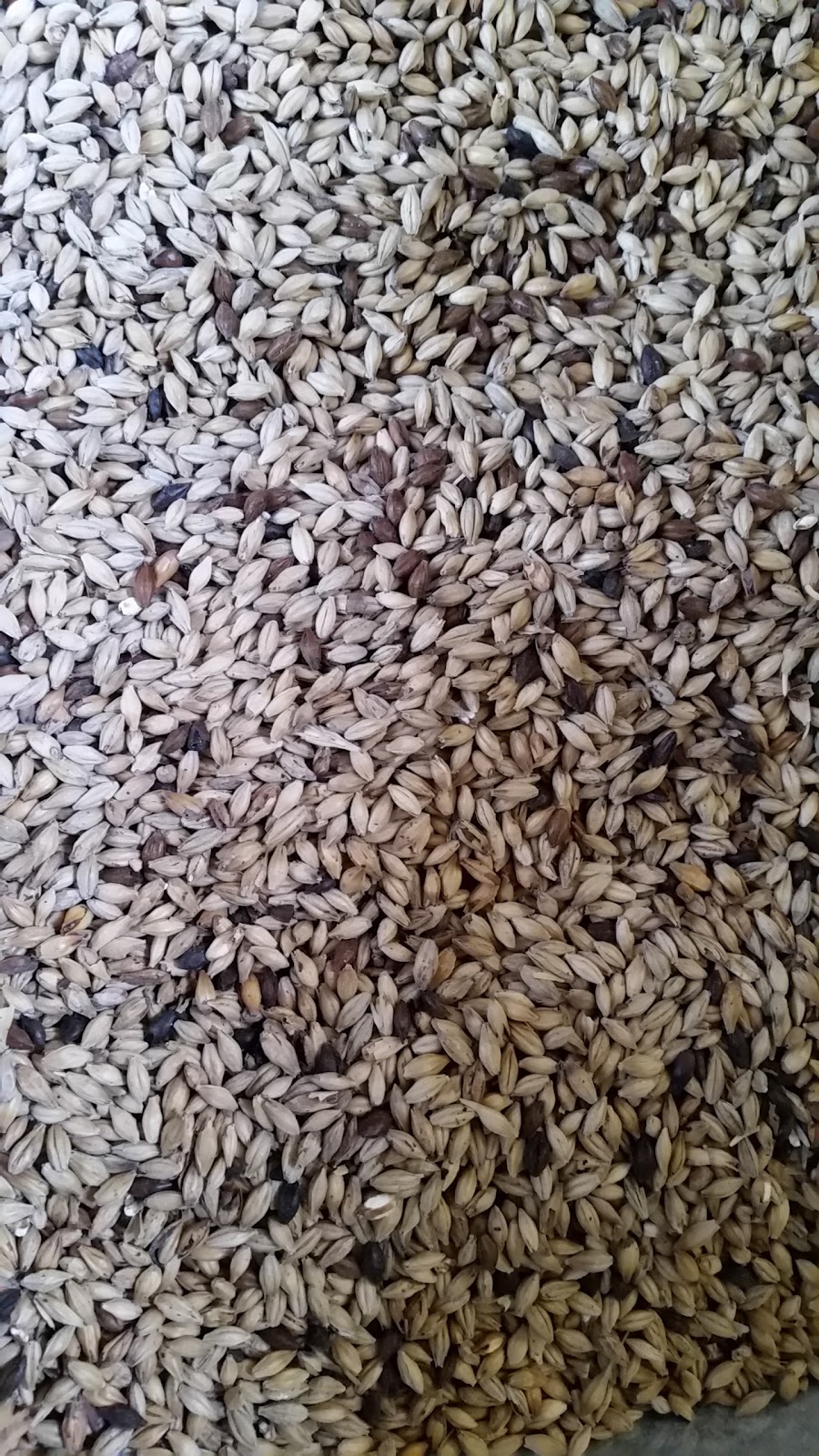
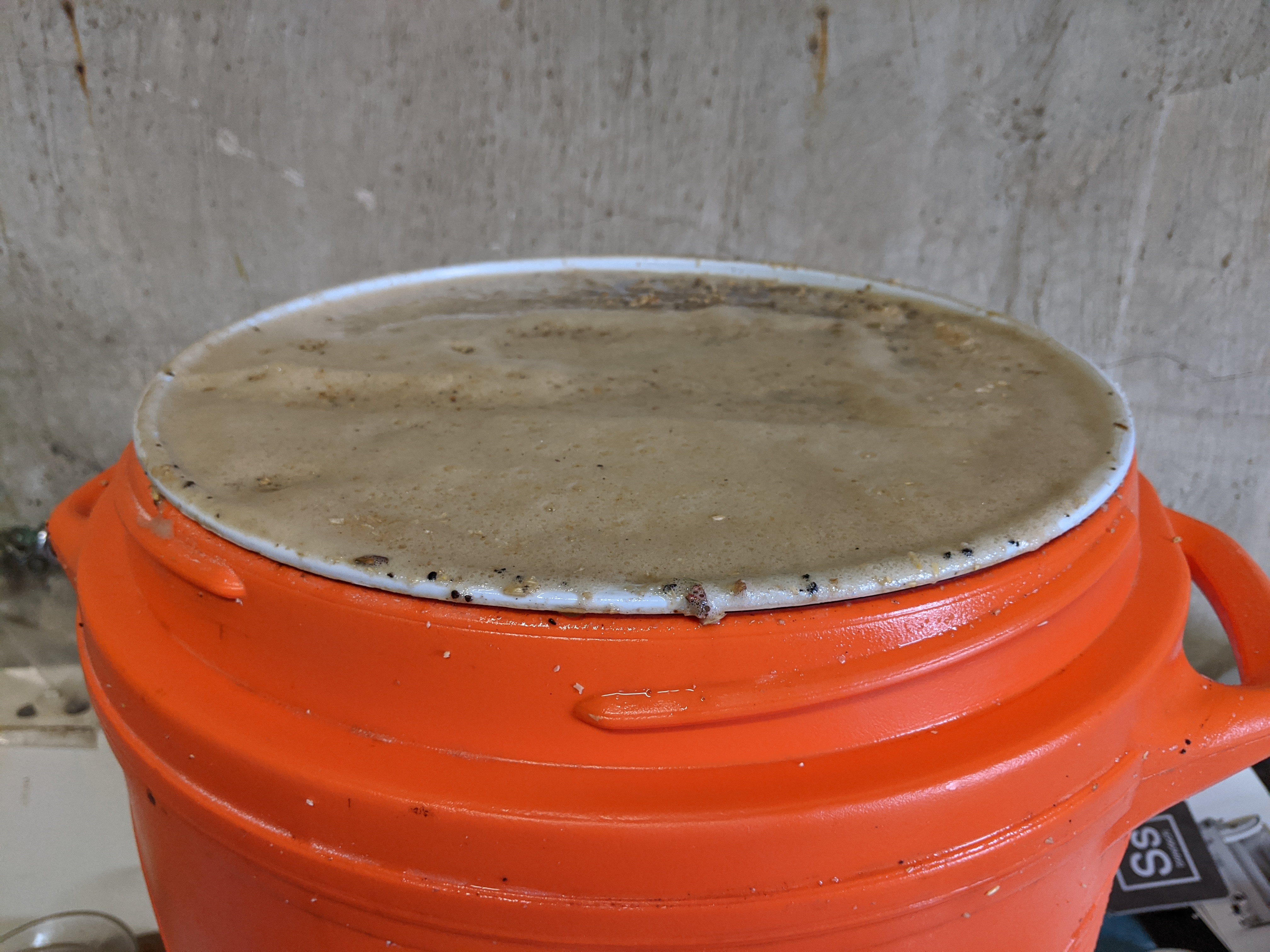
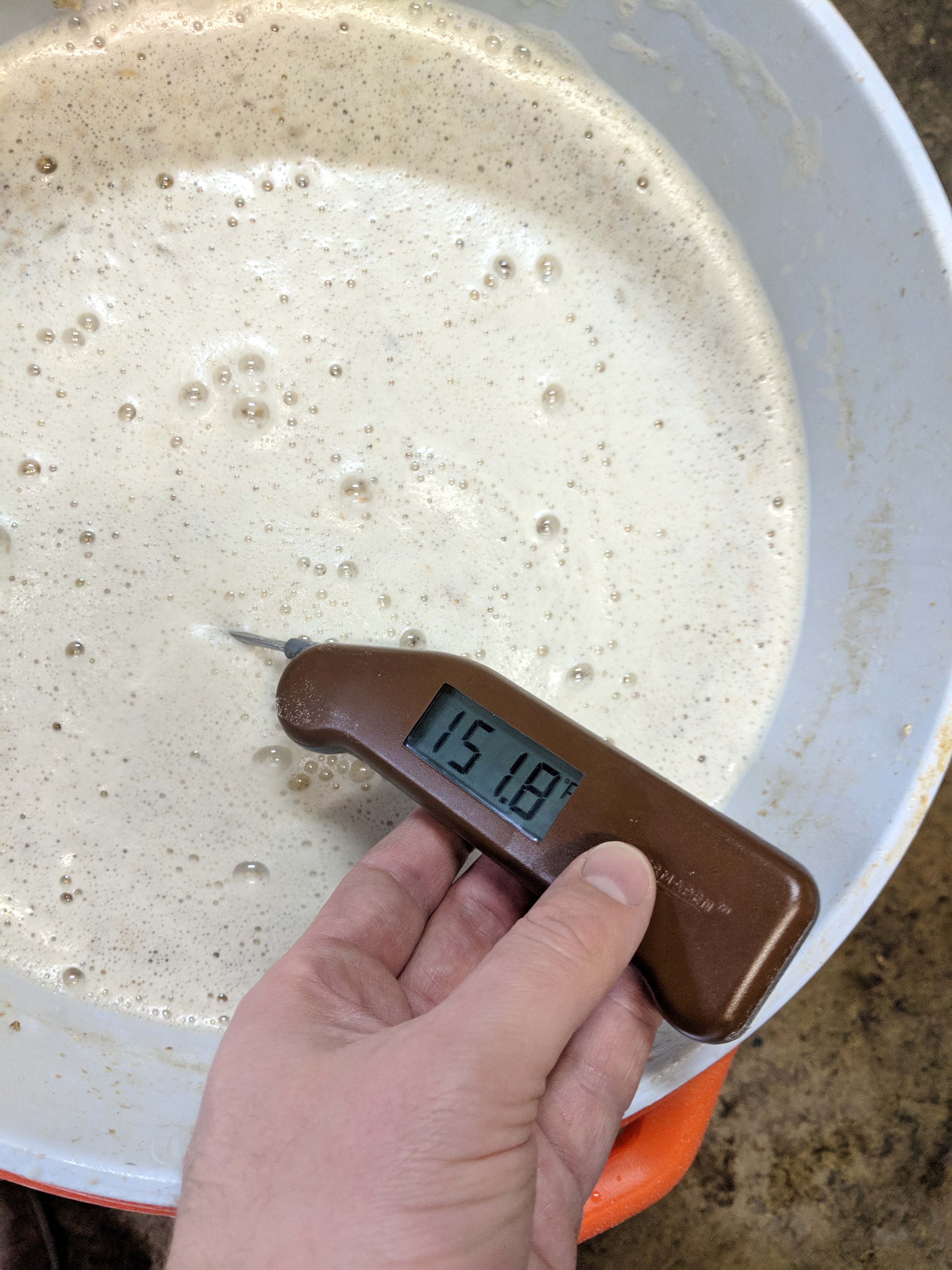
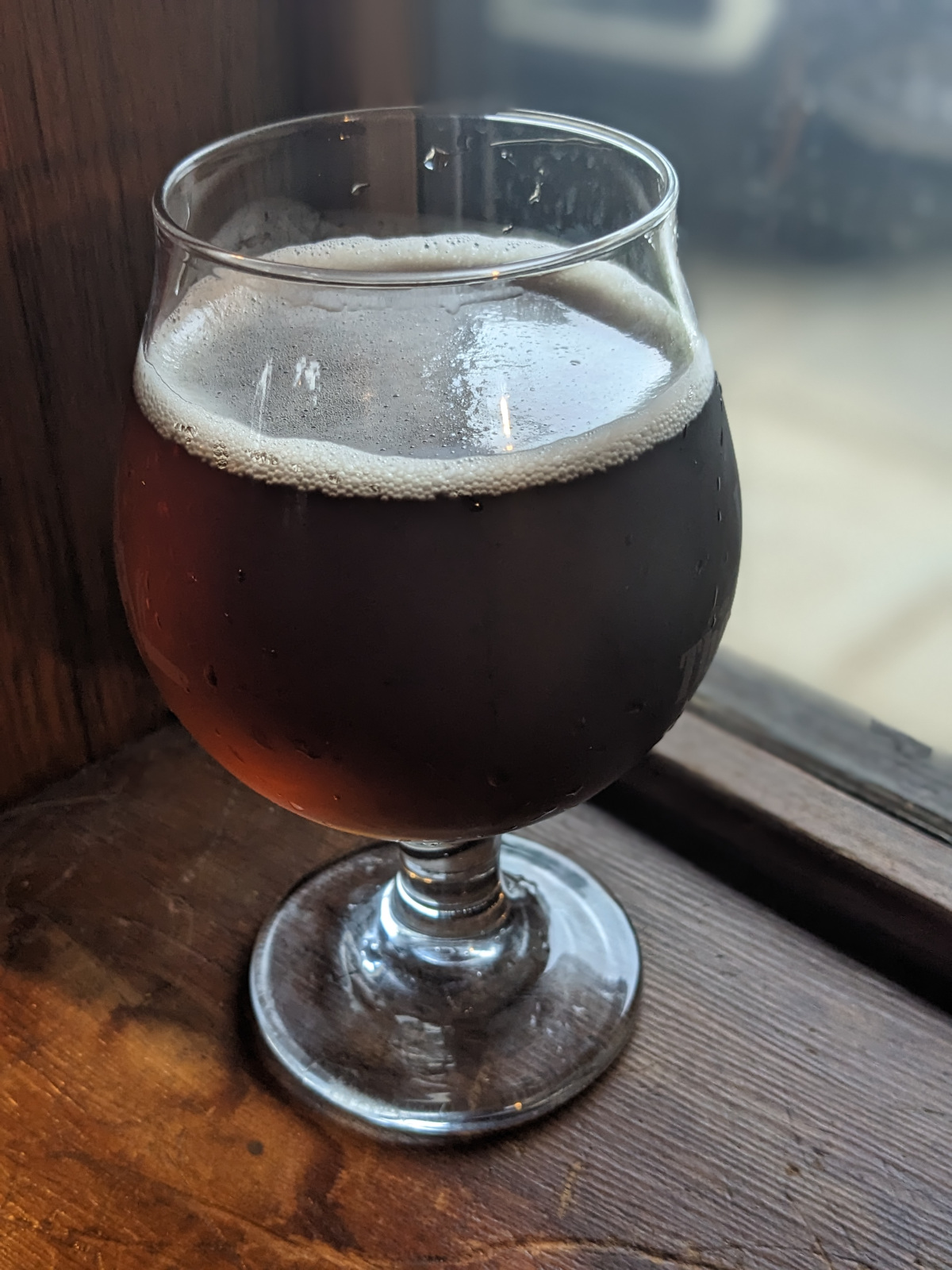
Above: A series of images over the years showing my evolution of all-grain brewing. From left to right, top row: my first mash tun; an early decoction effort; second row: grains ready for a brew; a full sack of malt; a very full mash tun for a high gravity beer; third row: checking temperature; the Anvil Foundry in an early brew.

2023’s Homebrew Highlights

2023 was another year with tons of non-brewing things happening in life, so my brew days were pretty important opportunities for relaxation.

  • Favorite Batch
    • American Pale Ale 2023 was a killer batch! It was just a straight-down-the-middle pale ale, which hit every note for a traditional take on the style. I would drink it every day (if that was a good idea).
    • Live Oak Canyon Ale was a close second…it was incredibly drinkable, and an interesting beer in a hard-to-find style.
  • Least Favorite Batch
    • Thanksgiving Transatlantic Barleywine wasn’t a bad batch, but I should have let it age another year. So, even though it was still reasonably drinkable, I will mark it down as “least favorite.”
  • Experimental Recipe With Most Potential
    • Live Oak Canyon Ale (again!). I had such a fun time with this beer, and the introduction of wood into the mix was a nice experimental twist. I would brew this again in a second.
  • Most Fun New Style/Recipe to Try
    • I enjoyed brewing a Czech dark lager; it was fun to try out some new ingredients and go fairly traditional in this beer.
  • Upcoming Beer With Most Potential
    • I just kegged a Sierra Nevada Porter clone recipe, and I think it’s going to be pretty great! Porters are such a hard style to find nowadays, so I always enjoy making them. It’s funny how they have basically disappeared from the landscape, which emphasizes why homebrewing is so important.
  • Best Ingredient Added to Repertoire
    • Wood! I enjoyed my revisit to wood aging with Live Oak Canyon Ale (yet again). I don’t want every beer to be wood aged, but I had forgotten how a straight-up wood (rather than spirit-barrel-aged) character can be nice.
  • Favorite Books
    • The Hops List book was a surprisingly great addition to my beer and brewing library. Because it’s just a…list…of hops, it rewards dipping in and out of the pages, and doesn’t need a sequential exploration. It’s probably one of the more useful books I’ve got, and certainly one of my most-used ones during the past year.
  • Overall Stats
    • I made 22 batches during the year, totaling approximately 100 gallons of beer.
    • Around a third (8) of my batches were some form of lager, which is an increase from 2022. Nearly a third (7) were some form of pale ale (IPA, Belgian pale ale, or American pale ale).
    • My most frequently brewed styles were American Pale Ale (four batches) and German pils (three batches).

2022’s Homebrew Highlights

The year of 2022 was a bit slower in terms of brewing than some years (22 batches versus 31 last year), because things were just plain hectic. The start of 2023 was even more hectic, hence the fact that it is February before I posted the review for 2022. Even so, I got in some nice brews last year. Here is a recap!

  • Favorite Batch
  • Least Favorite Batch
    • 2022 Orange Summer Wheat Ale. So much went wrong with this batch, and by the time I sampled it from the keg, it was pretty dismal. This was a failure of equipment and technique, not recipe.
  • Experimental Recipe with Most Potential
  • Amber Rye Ale. I had a ton of fun creating this recipe, and it turned out amazing, too! I’m definitely brewing it again.
  • Most Fun New Style/Recipe to Try
  • Big Surprise Belgian Pale Ale. I didn’t expect this one to turn out as well as it did.
  • Upcoming Beer With Most Potential
  • I brewed a schwarzbier at the end of December, and I’m hopeful for it.
  • Best Technique Added to Repertoire
  • Last year was a bit boring; I didn’t really add any new techniques. I suppose that’s OK; stick with what works!
  • Best Ingredient Added to Repertoire
  • Although I started with it in 2021, Diamond Lager yeast became my go-to for lagers in 2022. It’s such a great dry yeast — head and shoulders above dry versions of 34/70, which leave a bit of a tartness I don’t care for. It’s a staple of my brewing supplies now.
  • Favorite Book(s)
  • I didn’t have any new acquisitions that blew me away this year. The Dark Lagers book I received for Christmas 2021 has continued to be enjoyable, and The Fermentation Kitchen is excellent for brewing-adjacent projects. I did get the new Book of Hops — it’s very pretty and full of interesting tidbits, but is probably better suited for those earlier in their brewing journey, or general beer enthusiasts versus more advanced homebrewers.
  • Other Milestones
    • I made beer vinegar for the first time this year, and it was a fun (and tasty) effort. There will be more of this (and other fermentables) in 2023!
  • Overall Stats
    • I brewed 22 batches of beer in 2022, around 120 gallons.
    • IPAs were the major beer of 2022, with 5 batches out of 22. As a category, lagers were 6 out of the 22 batches. This isn’t too different from 2021.

What’s Brewing? April/May 2024

Because this is an incredibly busy time of year in the non-beer part of my life, April slid past and now we’re a good chunk of the way into May. So, I’ve got a combined post this time around.

Beer Batch Updates

  • I have kegged my Belgian pale ale, and it won both the brew club competition as well as the Southern California Homebrew Festival bragging rights competition! My personal assessment was that it was a decent beer, but not fantastic. But, I guess I was wrong.
  • I brewed and kegged a version of my orange wheat ale, to go to the SoCal Homebrew Festival. It’s not my best iteration, but it will do. Because my Anvil Foundry was down for a month or so (see below), I went back to a standard mash with batch sparge. Something went sideways–mismeasure of grain mass, maybe?–and I only got 50% mash efficiency.
  • I brewed and kegged an American IPA, focusing on a more traditional piney/citrusy profile. I used Centennial, Cascade, and Amarillo hops to reach this goal.
  • I brewed the 2022 iteration of Alta California Lager on 24 April, and it is now in the final stages of fermentation before cold crashing.
  • I brewed a Scottish 70/- Heavy on 7 May, in order to have a flavorful but lower alcohol beer on-hand. I’m letting it ferment out at ambient temperature (around 66 to 68° in the garage), which is perhaps taking a small chance but I also think it’s a recipe that will benefit from a fruitier yeast character. I used US-05, so any fruitiness will probably be fairly restrained.
Photo by Lukas on Pexels.com

What’s On Tap?

  • My Pre-Prohibition Lager is on tap, and wow is it delicious. It’s exactly the beer I wanted to bridge into the warm days of spring! I’m going to be sad when it’s finished.
  • My American IPA is on tap, and it’s a bit young yet but will come into its own as it settles out. The flavor is awesome (a classic late 1990s West Coast IPA), but the yeast haven’t dropped completely clear yet, so it’s a bit on the hazy side. It’s got a great flavor of citrus and resin and pine.
  • I am moving my orange wheat ale on-tap soon, to fill the vacancy left after my altbier keg kicked.

What’s Coming Up?

  • I’m thinking about another IPA, something to highlight the tropical-type hops that I’ve been getting in my HOPBOXes. The draft version I’ve got uses Azacca, HBC 586, and Idaho Gem…I’m not sure if I’ll stay in that space, but it seems like a start.
  • I’m also looking at a German pils, using 100% Barke Pilsner malt, and Saphir+Hallertauer Mittelfrueh for the hops.
  • It feels like another beer should happen before some big events this summer (fieldwork, travel, and a house move), but I haven’t figured it out yet. Maybe a dark or amber lager?

Other News

  • Back in March, I had some issues with my (otherwise beloved) Anvil Foundry. It turned out to be a bum power switch…after a bit of back-and-forth with their tech support and a new switch+wire, I am back in business! Even though I am past warranty, I really appreciate that they covered this replacement.
  • After about five months of fermentation, my beer vinegar (made from my weissbier) was ready to go. It had some amazing vinegar mother action (see image below). The flavor is exceptional, just like malt vinegar that you would put on fish and chips. I used it to spritz a pork shoulder during an extended smoke, and the flavors blended really nicely. I can’t wait to try another batch!

2022’s Brew Year’s Resolutions

Once again, it’s time to look ahead to the new year of brewing. What would I like to achieve in 2022?

  • Session Beers
    • I’ve always had session-strength beers as a regular part of my brewing rotation, and have had some really great successes. I’ve done well with IPAs and stouts, and would now like to branch out a bit. I recently made a session strength dark mild, which I just put on tap and am really enjoying. A Scottish 70-/Heavy is on the schedule, and I might even aim for a patersbier soon.
  • German Pils
  • Pre-Prohibition Lager
    • I recently had the 1903 Lager from Craftsman Brewing Company (Pasadena), and this beer was amazing as a pre-Prohibition style lager that clocks in at 5.2% abv. The malt character was fantastic, against some really nice hop qualities. It’s hard to find much information on this beer, so I’m going to need to look around a bit in the world of pre-Prohibition lagers to figure out a comparable recipe. In any case, this is a beer style I want to make!
  • IPAs
    • I’ve made some good IPAs, and even some great ones, but I’ve not yet settled on a “house” recipe. I need to change that. I have found that “traditional” West Coast IPAs with a heft measure of Centennial and Cascade are most to my taste, so I want to revisit previous successes and see if I can’t replicate those. I might even return to a session rye IPA, to hit the session beer goal again.