10 Years of All-Grain Brewing

Looking back through old blog posts, I realized that my first all-grain beer was just over 10 years ago! It was a little intimidating to get started–those days were before the now ubiquitous all-in-one systems, back when the most visible mode of brewing was a shiny (and expensive, and space-hogging) three-tier system. Thankfully, I discovered batch sparging, and this tipped the scales enough for me to try at all-grain.

I have learned a ton since then, so wanted to jot down some of the lessons for posterity. Here we go!

  • Crush is probably the most important factor for me. It can be make-or-break, especially when first learning process, and it has been so worth it to get a mill of my own so that I can dial in this variable. This has made my extraction efficiency quite predictable!
  • For those going into all-grain brewing nowadays, I would suggest either brew-in-a-bag (especially for smaller batches or smaller budgets), or an all-in-one. The Anvil Foundry has been a great investment, and makes my brew sessions all the more enjoyable. A three-tier system just isn’t worth it for me, and I would say even batch sparging is not a good route if you have the cash for all-in-one or brew-in-a-bag.
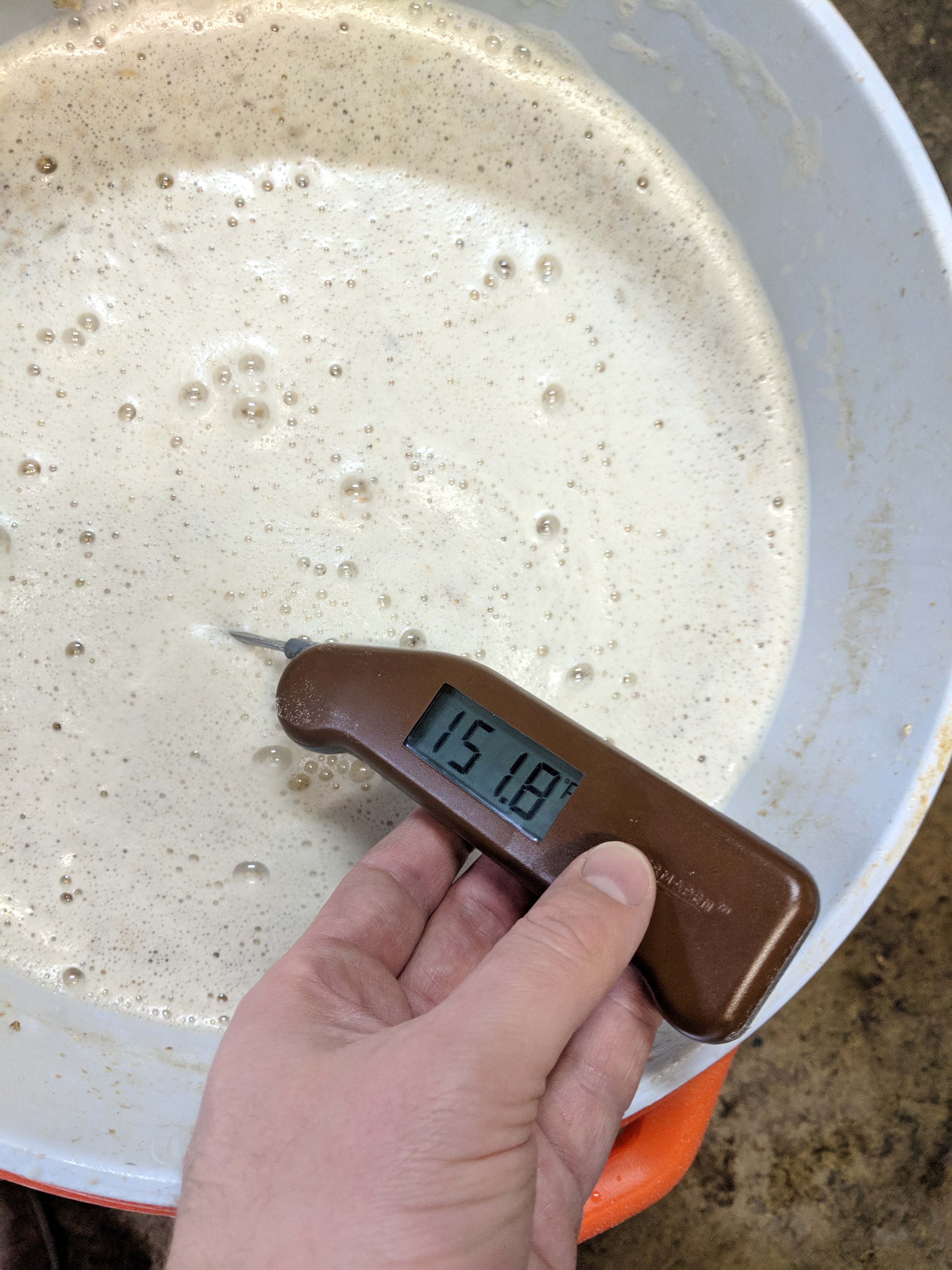
  • Mash temperature matters, but not as much as I thought. I used to obsess over being within a fraction of a degree, and that was not mental energy well spent. If you are 5 or 10 degrees off — sure, that’s going to affect your intended results. But if you are within 1 or 2 degrees, it’s almost certainly not going to be noticeable.
  • It’s worth having a stash of bulk base malts. At one point, I had three or four bags on-hand, and now I’m down to 2-row and pilsner as my usuals. Perhaps I should pick up a bag of Maris Otter and/or Vienna, but I just don’t brew enough for styles that require them. I don’t think I’ve ever gotten Munich in bulk, but it’s so strong as a flavor that I don’t use it much.
  • Decoctions can be fun. It’s worth giving a try sometime. Same for cereal mashes. But, you can make great beer without them.
  • The biggest benefit of all-grain brewing for me? I get endless recipe control, and it opens up a ton of (grain) ingredients and styles that would be hard to do otherwise.
  • All-grain brewing is no substitute for good temperature control.
  • Sometime soon, I need to do an extract batch. Just for fun, and to see if what I have learned will generate something awesome.
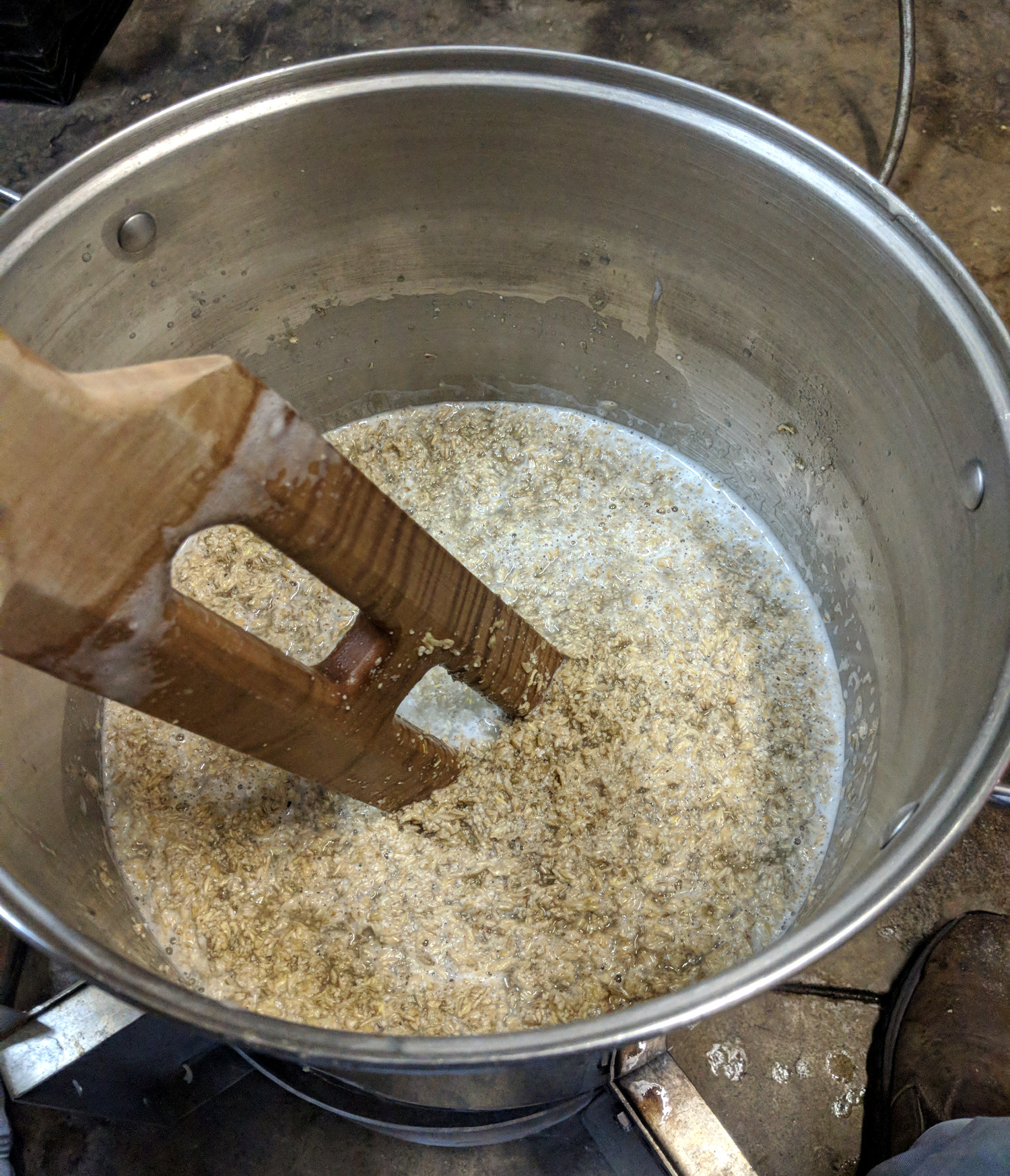
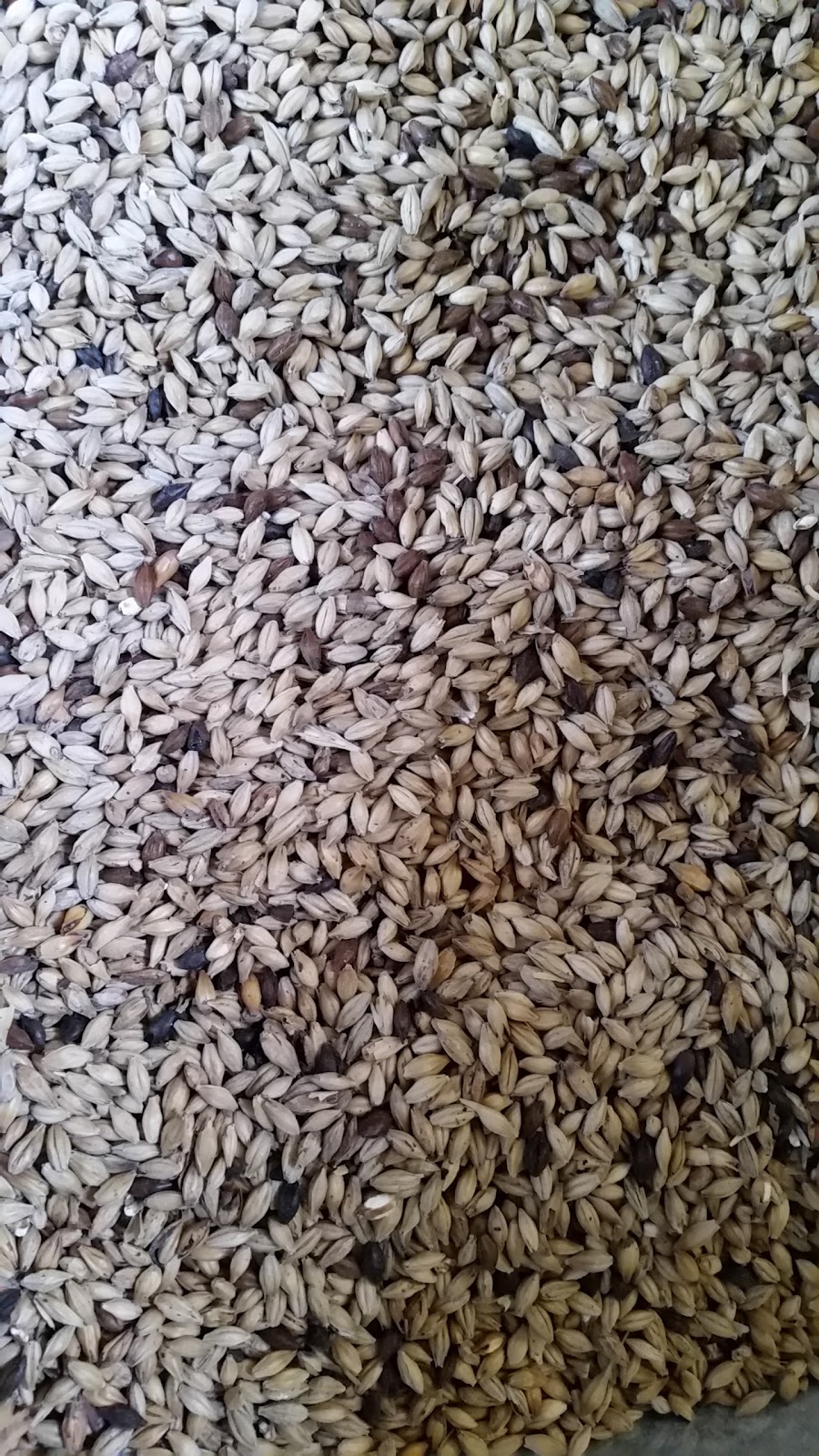
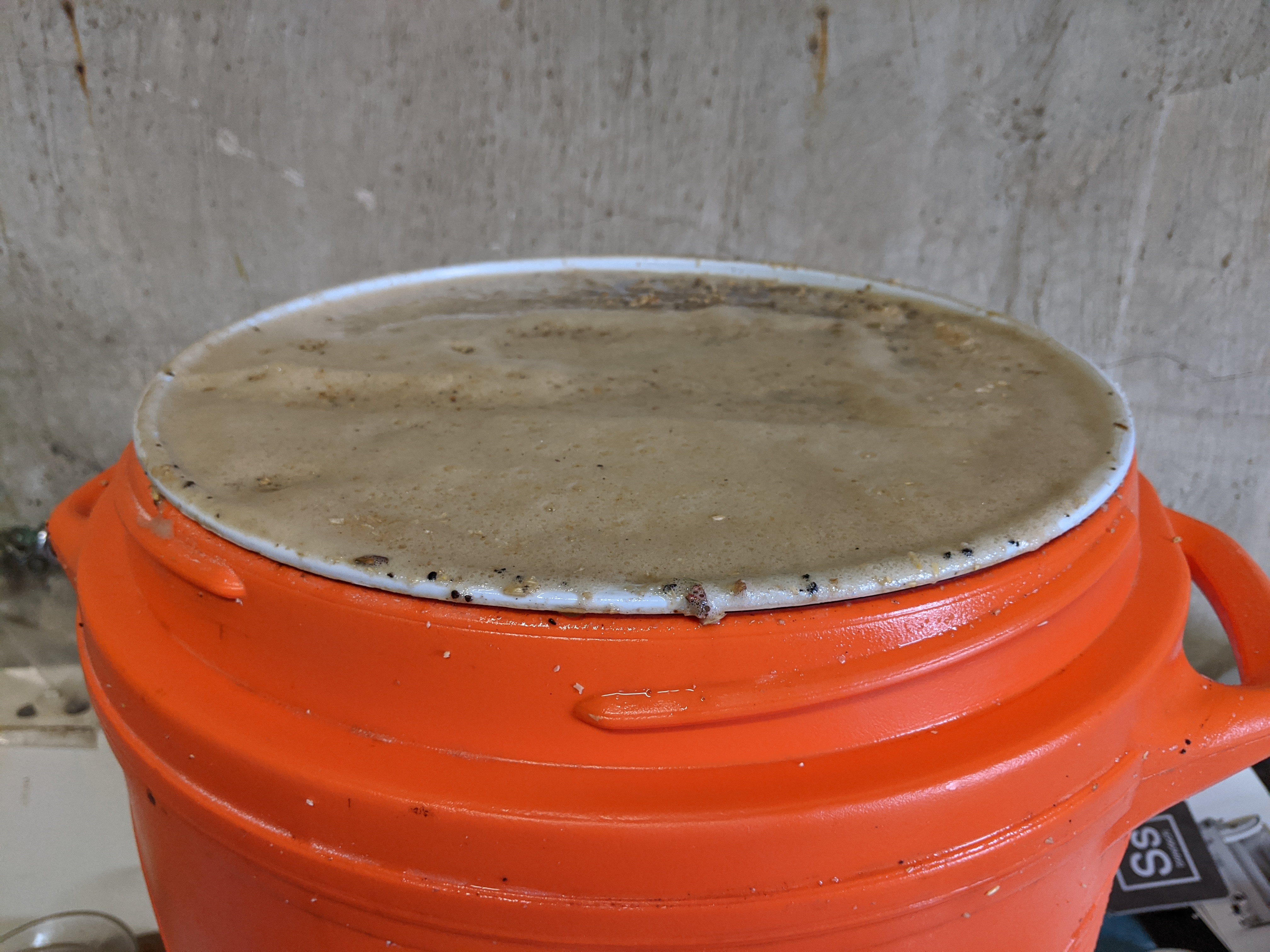
Above: A series of images over the years showing my evolution of all-grain brewing. From left to right, top row: my first mash tun; an early decoction effort; second row: grains ready for a brew; a full sack of malt; a very full mash tun for a high gravity beer; third row: checking temperature; the Anvil Foundry in an early brew.
Follow-Up: 2020’s Brew Year’s Resolutions

At the beginning of the past few years, I’ve set annual brewing goals. Now that we’re almost to the end of 2020, it seems like a good time to review my resolutions and see how it all went.

  • Patience.
    • Recognizing that I often rushed my lagers into service quicker than is optimal, I planned my production so that each batch got a more extended lagering time. I did pretty well on this one. Most of my lagers got at least a month of cold conditioning before getting tapped, and in some cases even 5 or 6 weeks. I often felt another week or two of lagering might have been helpful, although the beers inevitably hit their full stride not long after going on tap. So, I count this one as a decent success.
    • Final Score: 7/10
  • Practice.
    • This was a two-part resolution.
      • Rebrew and perfect some favorites.
      • Explore North American “noble hops.”
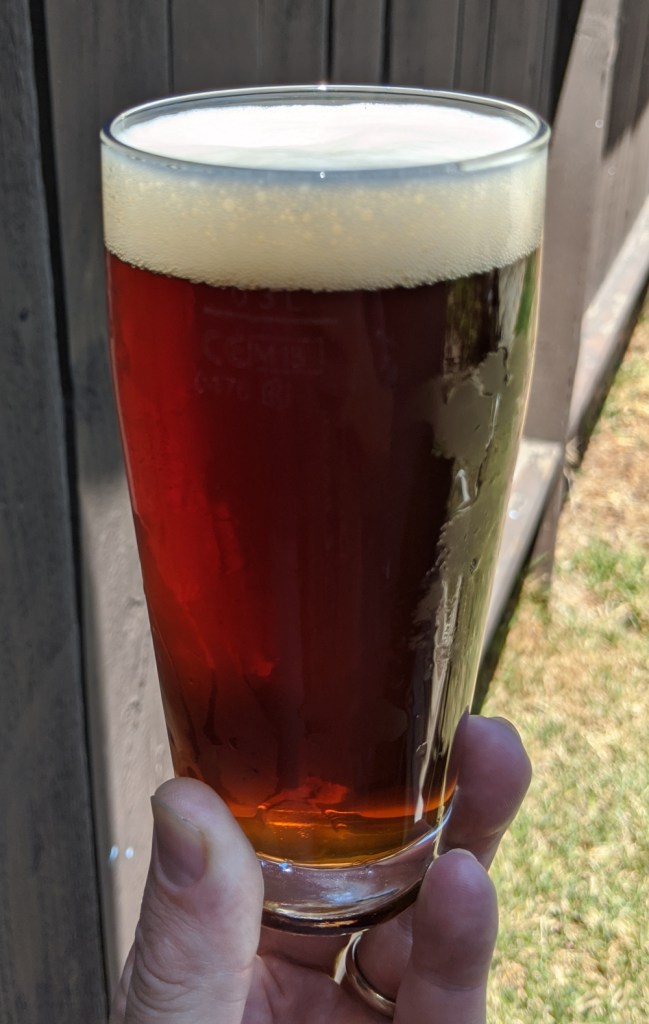
        • I did pretty well here, also, with varieties like Crystal, Mt. Hood, Sterling, and others figuring prominently in my lagers and German ales (like the altbier depicted at right). Another succcess!
    • Final Score: 10/10
  • Prose.
    • At the start of 2020, I thought it might be fun to write another magazine article, or something similar. Then 2020 happened, and this one just had to go by the wayside. I got some good blogging in, but that’s about it.
    • Final Score: 2/10
  • Prost!
    • I had hoped to keep brewing fun…and, it really was. Even with everything else happening, brewing was a bright spot in my year. I couldn’t get together with friends in the same way, but I was able to arrange some socially distanced growler swaps for later enjoyment, and I got some good time in the early mornings while starting up brew sessions.
    • Final Score: 10/10

Brew Year’s Resolutions 2020

I missed doing this last year, but might as well try again for 2020.

  • Patience.
    • I often bring my lagers on-line before they are as conditioned as well as they could be. That means that the keg is okay when I start, pretty good for the middle part, and might reach fantastic only during the last third. This is often a planning issue, and sometimes a space issue. For 2020, I will try to better plan my brew cycles so that I can hold off on tapping lager kegs until they are better conditioned. A month (minimum) of lagering would be great…and if I can get to 6 or 8 weeks, even better!
  • Practice.
    • I want to rebrew a few recipes, such as my Raspberry Belgian and my Alta California Lager. I never did my oatmeal stout last year, and will try that, too.
    • 2020 will be a year to explore the world of North American “noble hops”, for purposes of pilsners and such: Crystal, Liberty, Mt. Hood, Sterling, Vanguard, and U.S. versions of Hallertau and Tettnang. In the last week of 2019, I made a German-style pils with Crystal and a red rye lager with Mt. Hood, so I’ve got a head start!
  • Prose.
    • I want to do something, either large or small, for beer communication this year. Maybe pitch a new article. Maybe just submit a small note. 2019 was fairly dormant on this front, so I want to do better in 2020. I enjoy talking and writing about beer, and would like to do more.
  • Prost!
    • I want to keep brewing fun! This means sharing more beer with friends (both at my home and by sending growlers out into the world), taking some quiet moments to truly savor a beer, and experimenting with new recipes and new-to-me styles. Small-batch (3 gallon) brews have been a good strategy in the past, and I might keep that up as a way to continue experimentation on styles and recipes of uncertain drinkability. No resolution should get in the way of my enjoyment of beer, and I’m usually pretty good at holding to this. On to 2020!

Brew Year’s Resolutions 2018

20170903_151314It’s a new year! Having reflected on the past year of brewing as well as how I hit my resolutions for the previous year, I’m ready to set out some goals for 2018.

  • Pitch a new article for a homebrew publication.
    • This is a holdover from last year. I had one article published in Zymurgy during 2017; now, I just have to get a pitch together for something else during 2018.
  • Perfect my oatmeal stout recipe.
    • I entered my Eagle Face Oatmeal Stout in the first-round 2017 NHC, and scored an exceptionally pleasing 40. Unfortunately, comments for improvement were pretty vague (which was a bit disappointing, given the caliber of judging there). I’m going to modify the base malt a bit, perhaps, and see if I can’t kick up the score and make it into the second round.
  • Brew some more sour beer recipes.
    • I had great success during the past two years with a Berliner Weisse and am working towards a respectable raspberry Belgian sour. I’m hoping to hone the raspberry Belgian, and brew at least one other kettle soured beer. A gose or another Berliner Weisse will hopefully be in the mix.
  • Brew a perfect IPA.
    • I feel like my IPAs are good right now, but could be better. A lot of this might be in dry-hop handling; I usually keg-hop the things, but end up with a result that can be a bit harsh. The upside of this is that loss of hop flavor from oxidation is less of an issue. It’s time to find a happy medium. For 2018, I want to experiment with different ways of hopping and transferring IPAs, to finally hit peak IPA! I’ll probably start with a return to dry-hopping in the primary…I need to first see if drop-off in hop aroma is even that big of a deal anymore given my kegging and cold storage setup. I had preliminary attempts for my Thanksgiving IPA, but it didn’t stick around long enough to verify hop longevity!
  • Hit my calculated starting gravities more consistently.
    • I’ve found that I am often 0.02 or 0.03 off my starting gravity, usually a touch on the low side. This is almost entirely a boil-off rate issue, so I want to dial that in a bit better this year.

This should be plenty to keep me busy–I’ll check in at the end of the year to see how well I did!