Dunkel-Osteus 2025

Another year, another run at my Munich Dunkel recipe. This is my fourth time brewing this one, although the last instance was in 2021. The malt bill is exactly the same, but I swapped in Perle for Magnum and Munich Lager yeast (WLP860) for W34/70. The former change is one of convenience; the latter change is to accentuate the maltiness of the beer a touch. After my previous brews with WLP860 dry yeast, I’ve learned to accept that it’s a slow starter, and not worry!

As a fun side project, I redesigned the logo for this batch (below), using a recent re-interpretation of the size of Dunkleosteus. I’m pretty pleased with how it turned out.
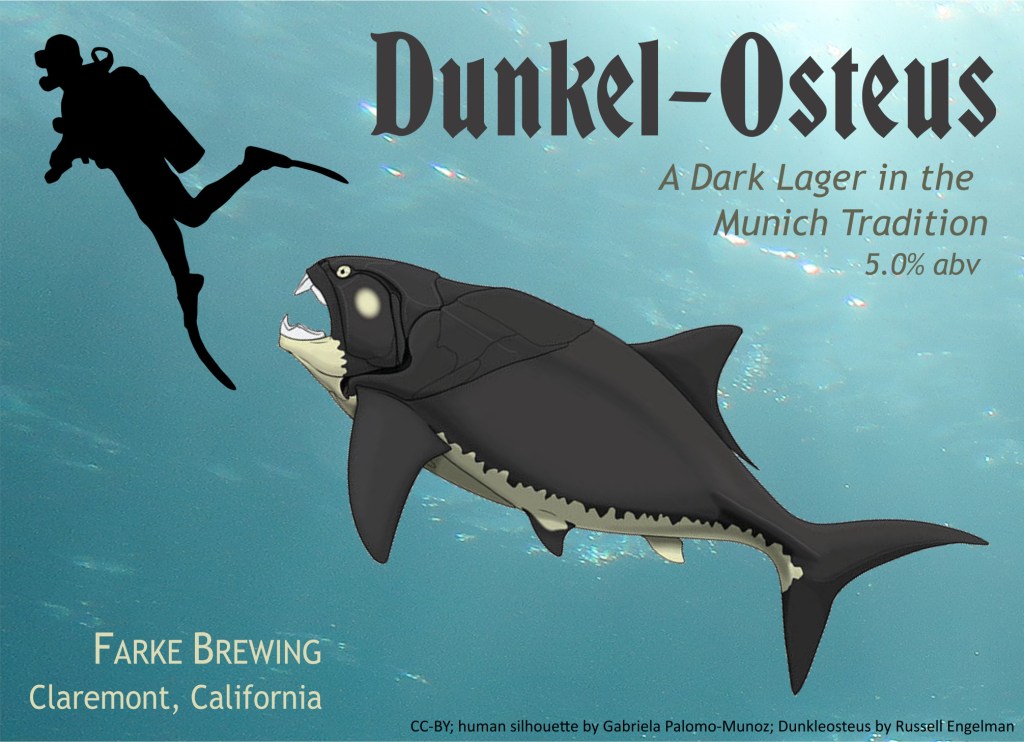
Human silhouette by Gabriela Palomo-Munoz; Dunkleosteus image by Russell Engelman. CC-BY 3.0.

Recipe Name

  • 10 lb. Munich II malt (Weyermann)
  • 0.5 lb. Carafa Special II malt (Weyermann)
  • 6 oz. melanoidin malt (Weyermann)
  • 1.1 oz. Perle hop pellets (6.3% alpha), 60 minute boil
  • 1 Kick carrageenan tablet, 5 minute boil
  • 2 pkg. Munich lager dry yeast (White Labs WLP860)

Target Parameters

  • 60 minute full volume mash at 152°, with mash-out at 168°
  • 1.050 o.g., 1.014 f.g., 4.7% abv, 25 IBU, 23 SRM
  • Claremont tap water
  • 5 gallon batch

Procedure

  • I heated 7.4 gallons of water to 158°, added a Campden tablet, and mashed in. I held the mash at 152° for 60 minutes, with recirculation, and then raised the temperature to 168° for a 10 minute mash-out.
  • Once the grains were removed, I had 6.5 gallons of runnings with a gravity of 1.045, for 71% mash efficiency.
  • I brought the runnings to a boil, addings hops and finings per the recipe.
  • After a 60 minute boil, I turned off the heat and chilled to 67° before transferring to the fermenter.
  • After chilling the beer down to 50°, I pitched the yeast.
  • I brewed the beer on 6 December 2025. Starting gravity was 1.052.
  • The fermentation chamber was held at 52°. Knowing that the dry WLP860 is a slow starter, I peeked into the fermenter and saw a small amount of krausen on 10 December 2025.
  • I moved the beer to ambient on 3 January 2026, and kegged it on 24 January 2026. I carbonated the beer with forced carbonation.
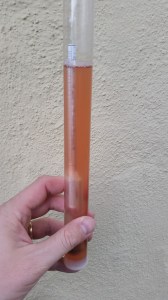
  • Final gravity was 1.014, for 5.0% abv.
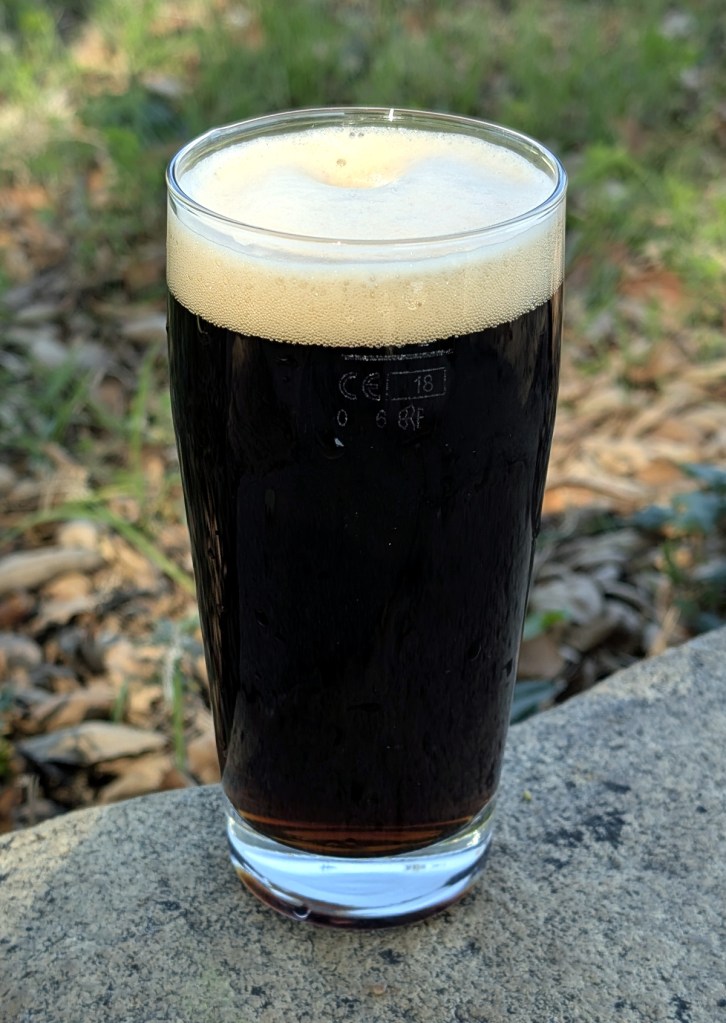
Tasting

  • Appearance
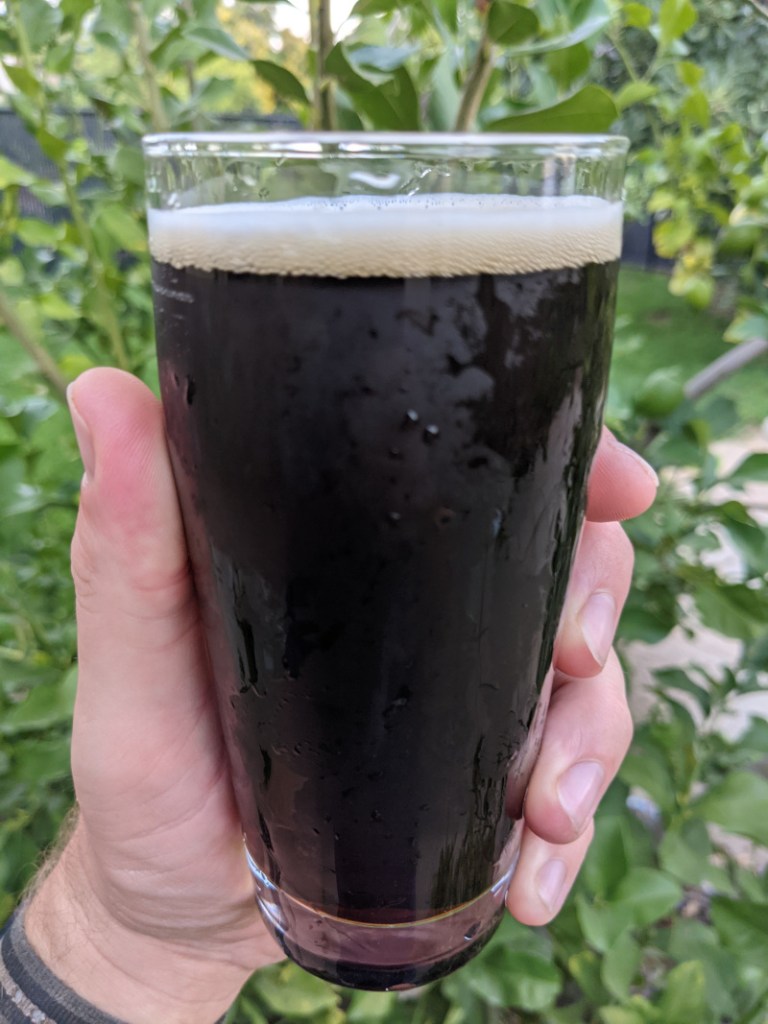
    • Very clear, dark brown beer with deep garnet red highlights, pouring with a persistent light tan head.
  • Aroma
    • Rich bready malt aroma, with a medium level of chocolate character. No hop or yeast character to speak of – it’s all malt!
  • Flavor
    • Medium high maltiness, with a toasty breadcrust quality and a bit of chocolate. Medium bitterness, with a slightly spicy aspect. Clean yeast character.
  • Mouthfeel
    • Medium body, medium carbonation, smooth finish, slightly dry.
  • Would I Brew This Again?
    • This is such a highly drinkable recipe–probably one of my favorites. There’s not much else to say; it’s a good beer!
  • Overall
    • 10/10

Dunkel-Osteus

This is another rebrew of another favorite recipe. I seem to be doing this a lot lately! My Munich Dunkel is a wonderfully drinkable dark lager, and this year’s version was no exception.

Dunkel-Osteus

  • 10 lb. Munich II malt (Weyermann)
  • 0.5 lb. Carafa Special II malt (Weyermann)
  • 6 oz. melanoidin malt (Weyermann)
  • 0.5 oz. Magnum hop pellets (13.2% alpha), 60 minute boil
  • 1 Whirlfloc tablet, 5 minute boil
  • 2 pkg. W34/70 yeast (Fermentis)

Target Parameters

  • 1.050 o.g., 1.012 f.g., 5.1% abv, 24 IBU, 23 SRM
  • 60 minute full volume mash at 152°, with mash-out at 168°
  • Claremont tap water

Procedure

  • I mashed in with 7.25 gallons of water at 158°, to hit a mash temperature of 152°. I held it here, with recirculation, for 60 minutes. Then, I raised the temperature to 168° for 10 minutes, before removing the grains and bringing the kettle to a boil.
  • In total, I collected 6.25 gallons of runnings with a gravity of 1.043, for 66% mash efficiency.
  • I boiled for 60 minutes, adding hops and finings per the recipe.
  • After the boil, I chilled, transferred, and chilled down to 50° before pitching the yeast. I let the beer free rise to 52° for fermentation.
  • I brewed this beer on 8 May 2021. Starting gravity was 1.048.
  • I let the beer free rise to 60° on 24 May, and then cold crashed to 33° on 26 May 2021.
  • I kegged the beer on 29 May 2021, and it had a gravity of 1.017, for 4.0% abv.

Tasting

  • Appearance
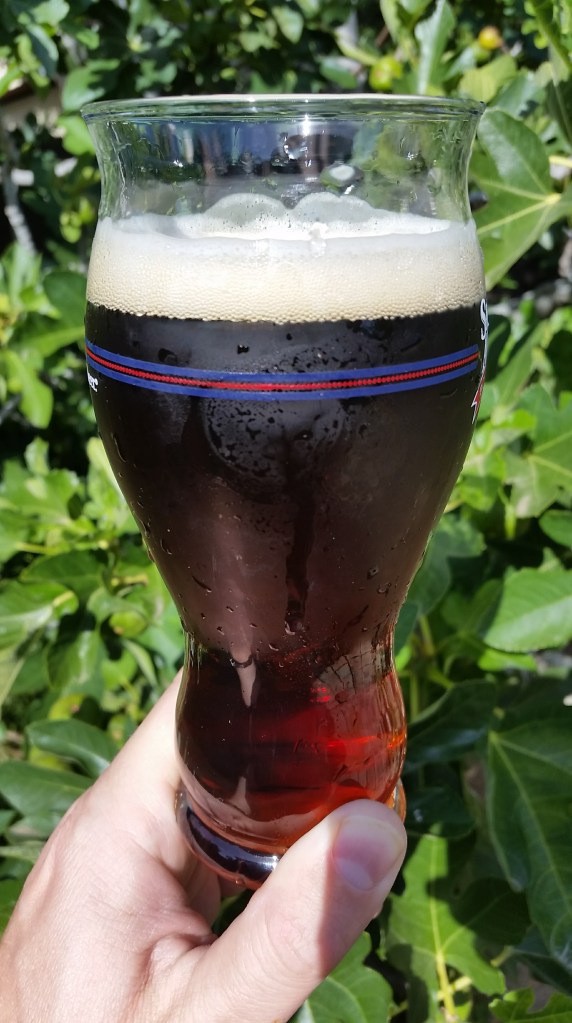
    • The beer is brilliantly clear, and pours with a persistent, creamy, and tan head. The color of the beer itself is deep brown, with deep ruby highlights when viewed on edge.
  • Aroma
    • The aroma is toasty and chocolatey, with a clean character.
  • Flavor
    • Amazing! A chocolate character is prominent, with a deep toasted, malty, bread crust character to the malt. The malt aspect is rich, yet not overwhelming. Bitterness is moderate, making this a very drinkable beer.
  • Mouthfeel
    • Medium-light body, moderate carbonation, smooth finish.
  • Would I brew this again?
    • Yes! This is one of my very favorite recipes…such a good dark lager!
  • Overall
    • 10/10

Dunkel-Osteus 2019

I really enjoyed the Munich Dunkel I brewed two years ago, and recently decided to give the recipe another go. This round was nearly identical in terms of ingredients, with the only real change being a lower mash temperature to dry out the beer a bit and reduce residual sweetness. This version is nearly perfect, and has matured nicely while on tap!

Dunkel-Osteus 2019

  • 9 lbs. Munich Dark malt (BESTMALZ)
  • 6 oz. Carafa Special II malt (Weyermann), added at vorlauf
  • 5 oz. melanoidin malt (Weyermann)
  • 1.5 oz. Hallertauer Mittelfrueh hops (4.0% alpha), 60 minute boil
  • 1 tsp. Fermax yeast nutrient, 10 minute boil
  • 1 Whirlfloc tablet, 10 minute boil
  • 2 pkg. Saflager Lager yeast (Fermentis W34/70)

Target Parameters

  • 60 minute infusion mash, 150°
  • 1.050 o.g., 1.010 f.g., 5.2% abv, 22 IBU, 23 SRM
  • Water adjusted to hit 82 ppm Ca, 7 ppm Mg, 15 ppm Na, 31 ppm SO4, 94 ppm Cl, 131 ppm HCO3, 44 ppm RA

Procedure

  • I used 5.13 gallons of Claremont tap water with 3 gallons of RO water and 5 g of calcium chloride overall, to hit my water targets.
  • I mashed in with 3.25 gallons of tap water (with Campden tablet to remove chloramines) at 161.5°, to hit a mash temperature of 150.5°.
  • For the sparge water, I mixed 2 gallons of tap water with 3 gallons of RO water and 5 g of calcium chloride.
  • After 60 minutes, I added 1.25 gallons of tap water at 185°, let the mash sit for 10 more minutes, vorlaufed, and collected the first runnings.
  • Next, I added 3.3 gallons of sparge water, let sit 10 minutes, vorlaufed, and collected the second runnings.
  • I collected 6.6 gallons of wort with a gravity of 1.040, for 73% mash efficiency.
  • I started the boil, and added the hops, Whirlfloc, and yeast nutrient per the schedule. After 60 minutes, I turned off the flame and chilled the wort down to 70°.
  • I transferred the chilled wort to my fermenter, reduced temperature to 54° in my fermentation chamber, and pitched the yeast at this point.
  • Starting gravity was 1.046, on 26 February 2019.
  • I fermented the beer at 54° for the first week, and raised the temperature to 64° on March 9, 68° on March 12, and cold crashed on March 14. I kegged the beer on 23 March.
  • Final gravity was 1.010, down from 1.046, for 4.7% abv.

Tasting

  • The Basics
    • O.G. = 1.046; f.g. = 1.010; 4.7% abv; 20 SRM; 22 estimated IBU
  •  Aroma
    • Mild chocolate aroma, with no apparent hop aroma.
  • Appearance
    • Beautifully clear, darkest amber/reddish brown color, with an off-tan persistent head
  • Flavor
    • Malty beer, with a residual breadiness on the finish; fairly moderate bitterness
  • Mouthfeel
    • Medium body, with the finish being only very slightly dry. Moderate carbonation, appropriate for style.
  • Would I brew this again?
    • Absolutely! I think I nailed the style pretty well this time around, particularly in that this version is slightly less sweet than the first one I did. I attribute this to a slightly lower mash temperature (150° vs 154°). Finishing gravity was definitely lower (1.010 vs 1.016), too. I wouldn’t mind a touch more chocolate character on this version (which the last version had), but that could be fixed by a bit more Carafa Special II. I also think I liked the Weyermann Dark Munich a bit better than the BEST version of this malt, which also might explain some of the loss in malt character character. I recall Weyermann’s Dark Munich being just a touch richer in character, so I might switch things up next time. Otherwise, this is another great recipe!
  • Overall
    • 9/10

Beer Tasting: Dunkel-Osteus

20170514_170015I love this beer. Quite frankly, it’s one of the best I’ve brewed in a long time. And, it was just plain enjoyable! There aren’t a lot of commercially available Munich dunkels out there, so I was happy to really get to know this style. Of course, a tasty beer sadly leads to an empty keg…with dreams of rebrewing this sometime.

  • The Basics
    • O.G. = 1.050; f.g. = 1.016; 4.5% abv; 20 SRM; 22 estimated IBU
  •  Aroma
    • Nice toasty and malty-sweet aroma, with the very slightest hint of chocolate behind that. Wonderful!
  • Appearance
    • Deep reddish brown color with brilliant clarity and a fine ivory head that sticks around nicely. This is a really pretty beer!
  • Flavor
    • Rich and toasty flavor, with a clean hop profile.
  • Mouthfeel
    • Medium bodied, moderate carbonation that seems to fit what I have read about the style. Malt dominates the finish.
  • Would I brew this again?
    • Absolutely! This is a phenomenal recipe, and I’m really pleased with my first effort at the style. One friend who tasted it (whose taste I trust) suggested it is maybe a touch on the sweet side, and that a lower mash temperature would dry it out a bit. Along these lines, I might aim for a 150 or 152 degree target temperature. Alternatively, I might use the decoction schedule in Gordon Strong’s book and see if that also does the trick. In any case, this ranks among my favorite beers of 2017 and will definitely get brewed again.
  • Overall
    • 9.5/10

Update: Dunkel-Osteus, Raspberry Belgian

20170326_143559

Raspberry Belgian Ale sample

During the past week, I kegged both my Munich Dunkel (“Dunkel-Osteus“) as well as my raspberry Belgian ale. Let’s take a look at the details since brew day for each.

Dunkel-Osteus

This pun-fully named beer in the Munich Dunkel style fermented at 54° for 17 days, before it was raised to 68° on February 28. On March 6, I cold crashed it to 33°, and let it sit for an additional 16 days before kegging on March 22. At this point, the final gravity was 1.016, for an abv of 4.5%. I set to carbonating immediately–the sample I pulled a few days later is really, really tasty. I’m liking this beer so far, and it should be pretty exceptional once it has conditioned for another week or two.

Raspberry Belgian

I brewed this beer on March 10, and added the raspberry puree on March 14. To make the puree, I added about 1 cup of vodka and 18 oz of frozen raspberries to a blender. Then, I blended them until they were nice and pureed, before tossing them into the fermenter. I figured the vodka (which I ran first) would kill anything nasty in the blender (or anything remaining on the berries). I let this mixture ferment for another 12 days; by this point, the raspberry seeds, etc., had dropped to the bottom and the beer had cleared pretty nicely.

I kegged the brew on March 26. Final gravity was 1.011, down from 1.039. This works out to an abv of 3.8%. The beer has a nice pale pink color and a beautiful raspberry aroma. The raspberries come through nicely on the flavor, too, although the beer as a whole could use a bit more tartness and body. I’ll see if that perception remains accurate after carbonation. I was tempted to throw in some lactic acid, but figured it would be best to carbonate first and test if that helps.