2025’s Homebrew Highlights

2025 was a decent year for brewing; I focused in part on perfecting classic styles, in addition to returning to a few standby recipes. I feel that I know my brewing system pretty well and have been learning the mash and recipe formulation techniques to get to my destination. Interestingly, I was at nearly 100 percent dry yeast during the past year–I might try one or two liquid yeast varieties for particular batches, but in the end the variety and convenience of dry yeast can’t be beat.

  • Favorite Batch(es)
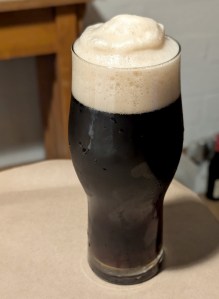
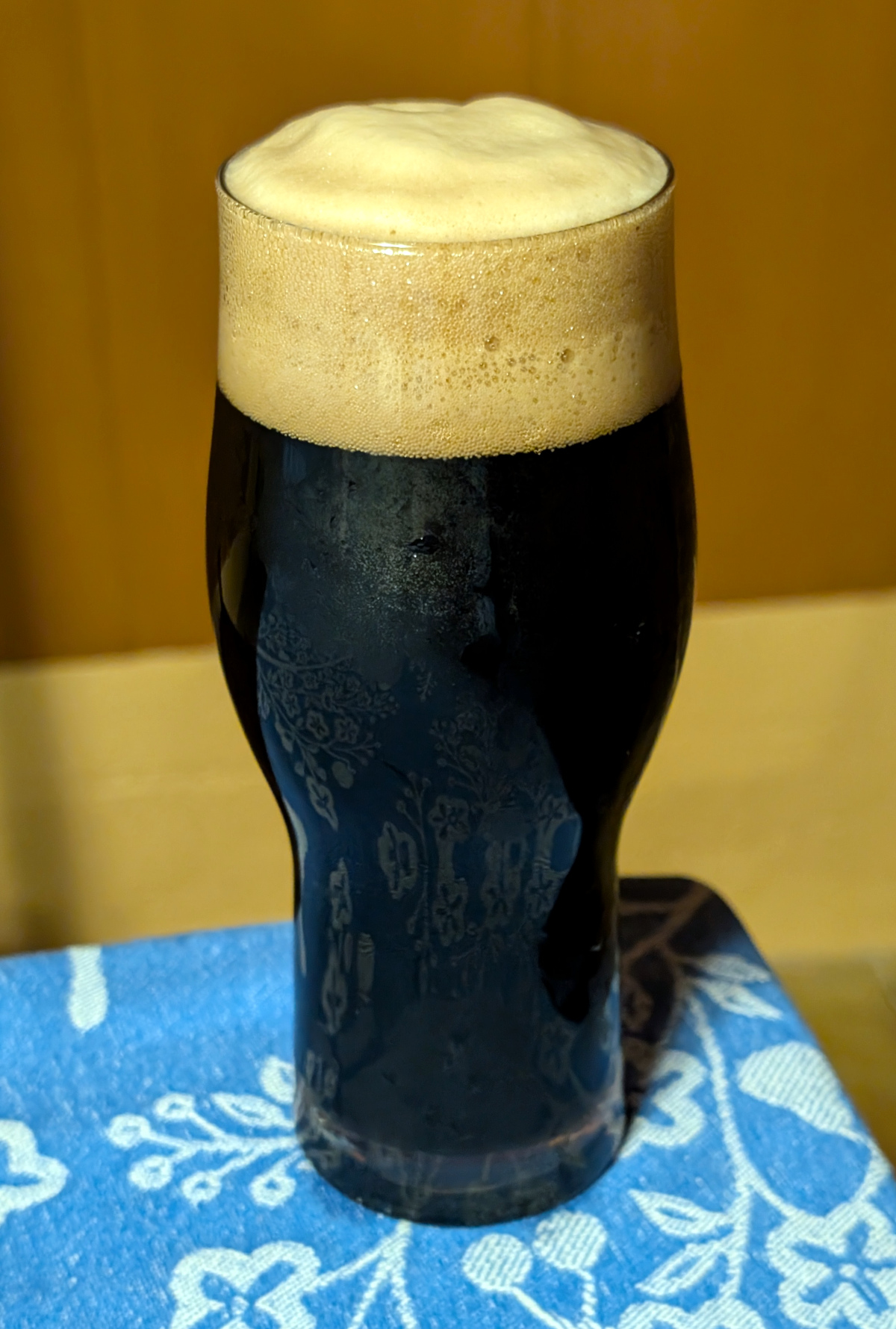
    • Mountain Town Stout was phenomenal, and (surprisingly) my first American stout.
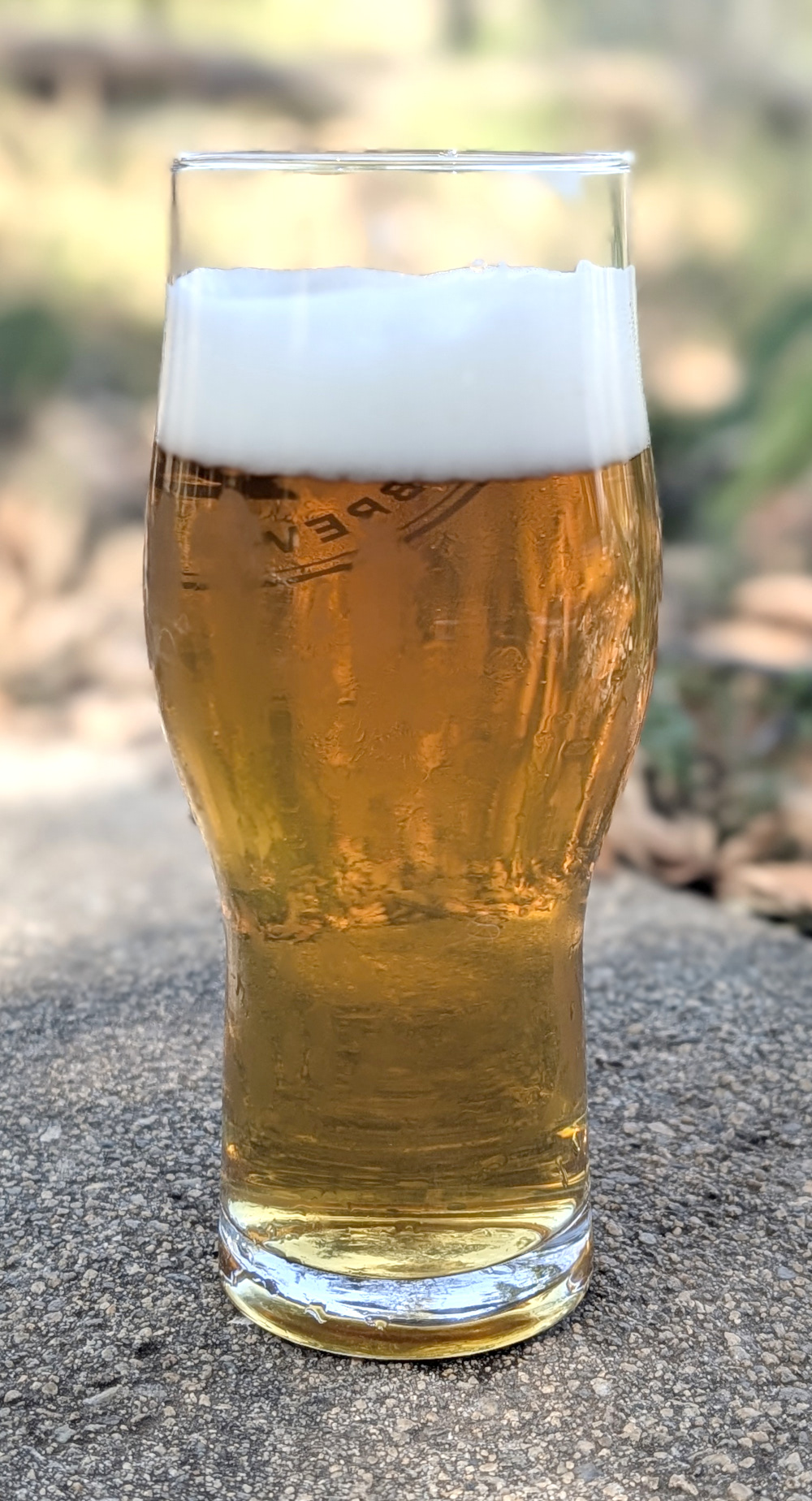
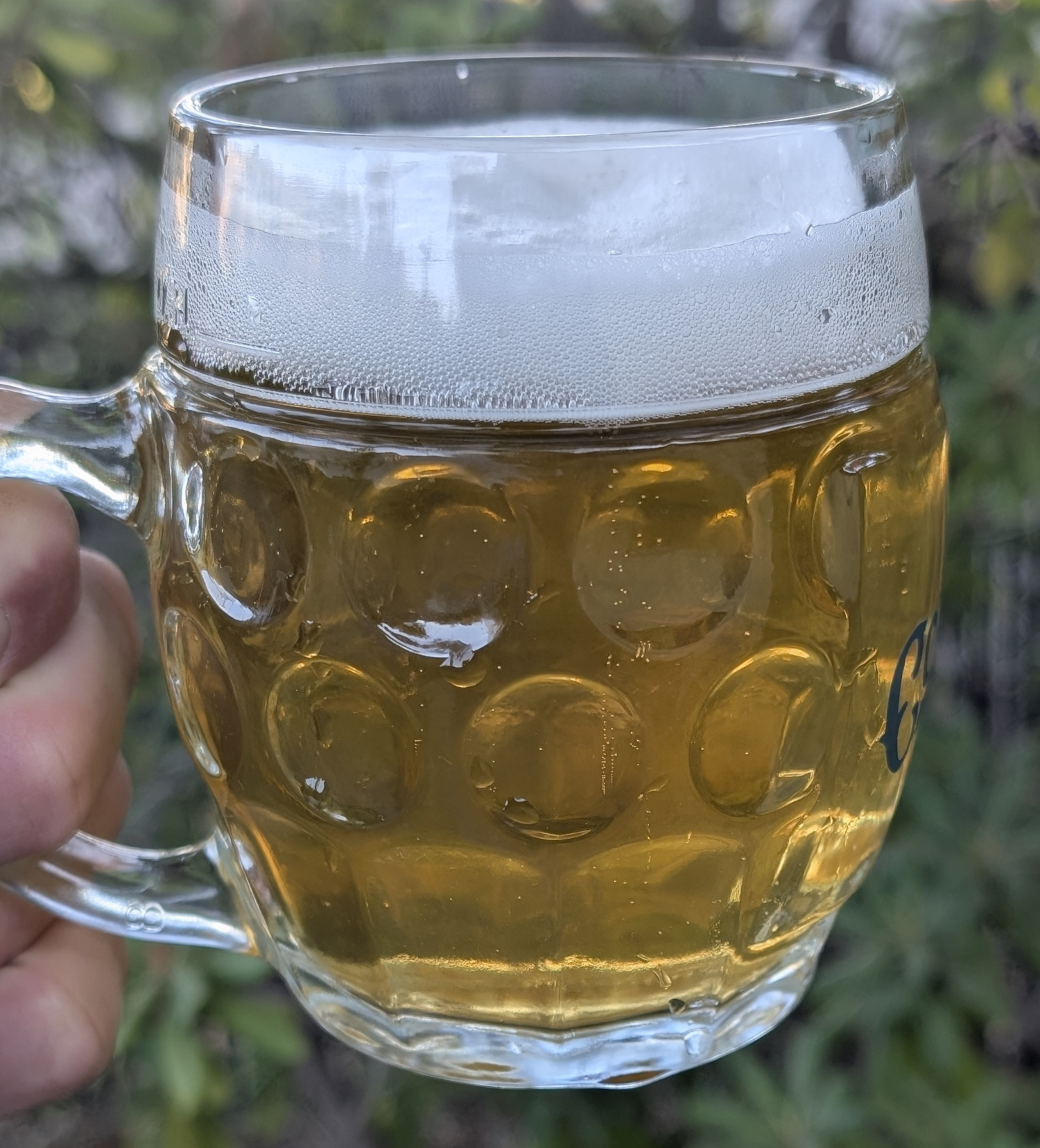
    • AquiloPils was supremely enjoyable, probably in large part because of the story behind it.
  • Least Favorite Batch
  • Experimental Recipe With Most Potential
  • Most Fun New Style/Recipe to Try
    • Salty One Gose was amazing, and I think it will be even better when I dial it in more.
  • Upcoming Beer With Most Potential
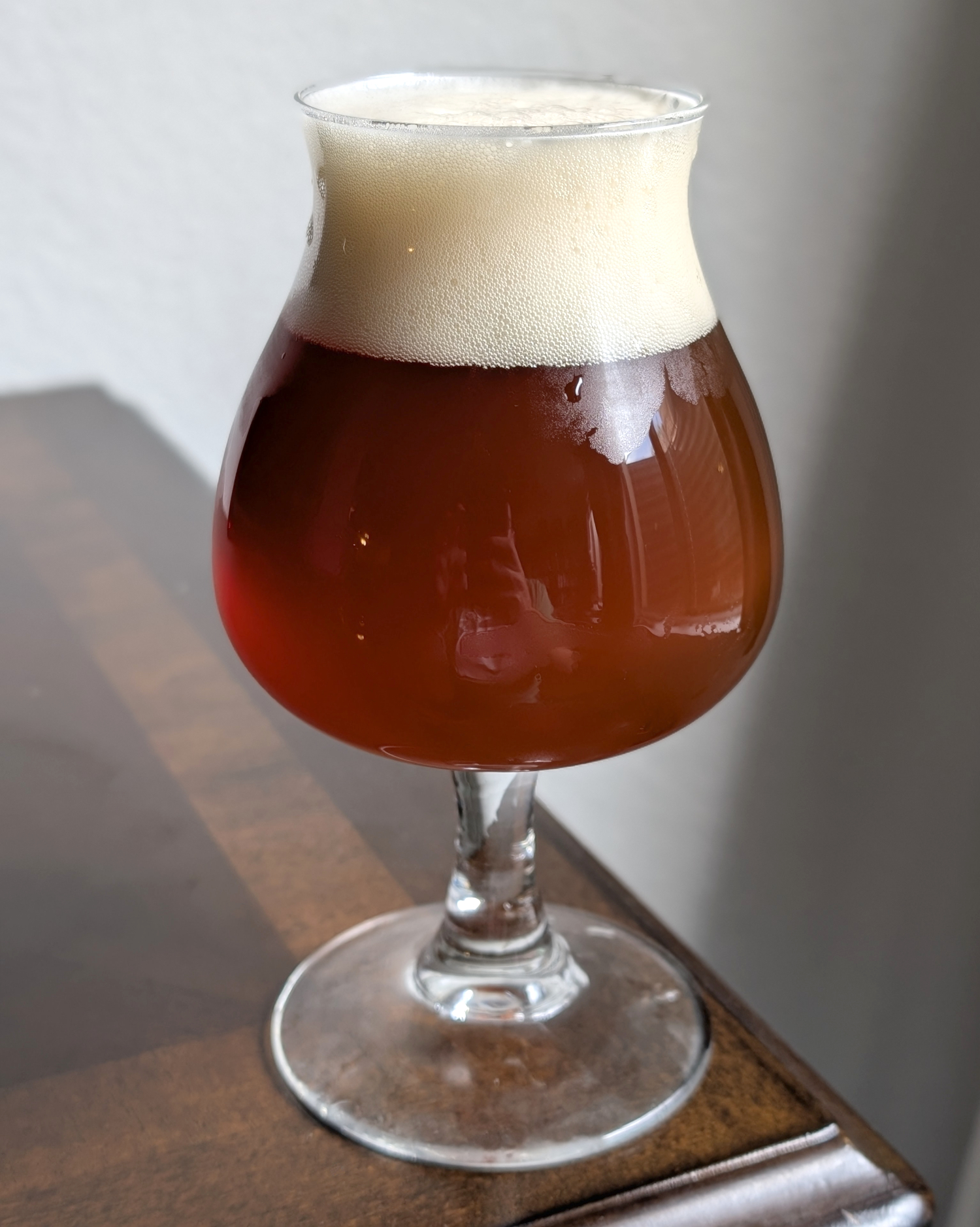
    • Six-Shooter Abbey Singel is a Belgian ale clocking in around 6.7% abv; it’s still conditioning, but I’ll put it on tap soon!
  • Best Ingredient/Technique Added to Repertoire
    • This was the year of small batches, following my “Brew Year’s Resolution” of doing more small batch beers. This was greatly facilitated by adding an Anvil Foundry 6.5 to my equipment range. This smaller Foundry makes it so easy to do <5 gallon batches, which in turn has encouraged me to brew more often on this system. I’ve really enjoyed trying a bigger spectrum of styles; in many cases, 2.5 gallons is the absolutely perfect quantity.
    • Isaria 1924 malt was super fun to try, and I like how it tasted. I’ll be doing more with this!
  • Favorite Books / Publications
    • This year I started a subscription to Craft Beer & Brewing, and it has been a fantastic addition to my homebrew reading routine. The articles tend to focus a bit more on the commercial brewing side, but there are also tons of interesting style profiles. They also highlight lots of interesting homebrew scale recipes, and I’ve enjoyed brewing several. I still love Zymurgy and BYO (now sadly only in online form), but Craft Beer & Brewing brings something different.
  • Overall Stats
    • 24 batches
      • 8 were “half batches” (between 2.5 and 3 gallons)
      • I feel like I did a really good job of branching out into new styles, or styles I haven’t brewed much previously; this includes gose, American brown ale, American stout, Belgian single, and others.

Fall Brown Ale

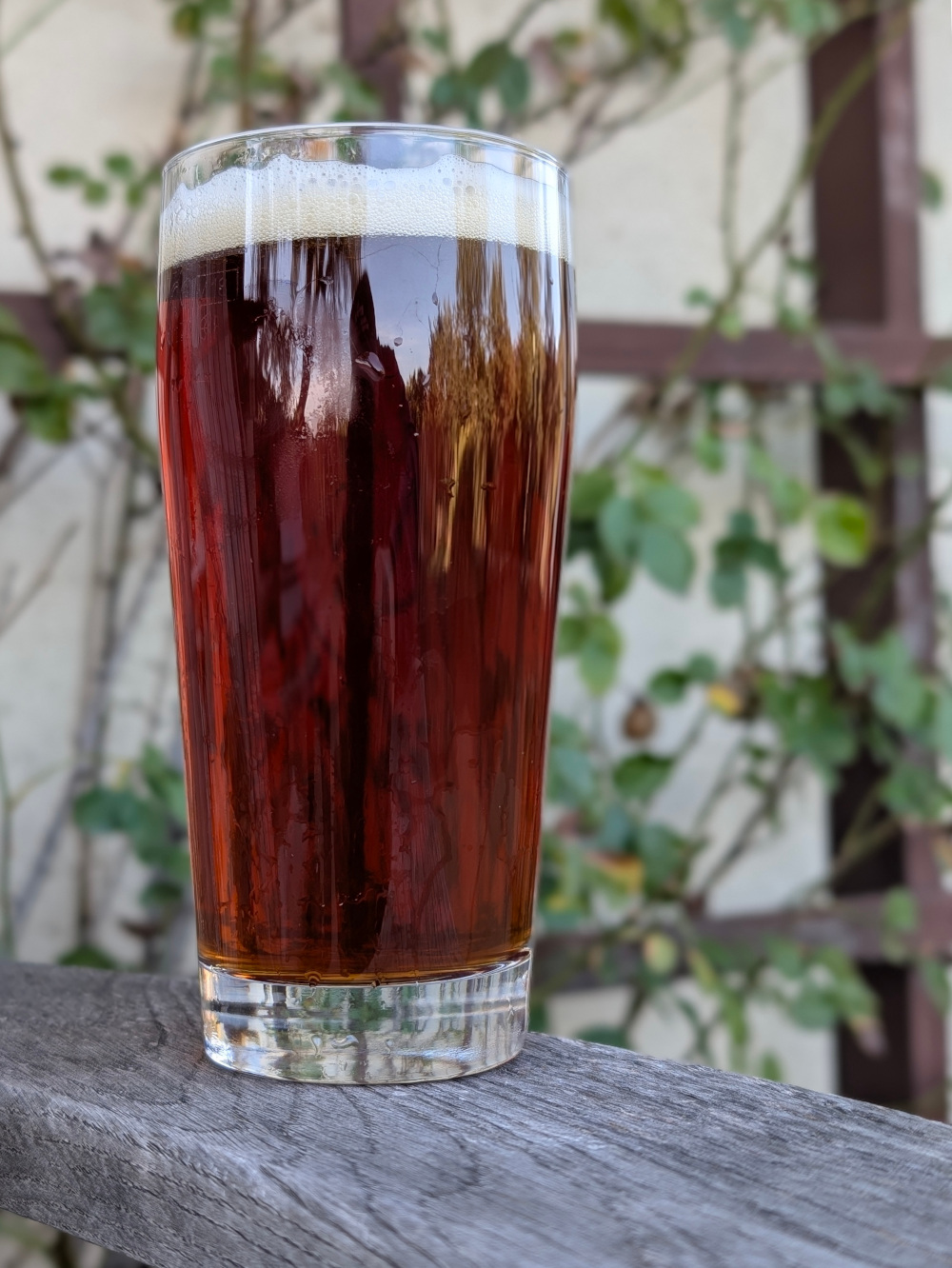
American brown ales seem somewhere between American IPAs and porters, and consequently hit a broad range of characteristics (at least in practice). I enjoy brown ales, brewing them whenever the mood hits me–I have nine previous versions on the books, with six of those American versus English styles. My current recipe is lightly modified from “Dirty Water Brown Ale” in Brewing Classic Styles. I changed the first addition from Horizon to Chinook, and also turned that first addition into a first wort hop addition. In order to increase hop aroma and flavor, I added an ounce of Cascade hops at the end, and changed a flameout charge of Amarillo into a dry hop addition. Everything else is pretty much the same. I elected to do a ~2.75 gallon batch, instead of a full 5 gallons.

Fall Brown Ale

  • 5 lb. 2-row pale malt (Rahr)
  • 5 oz. chocolate malt (Bairds)
  • 5 oz. caramel malt 100 / crystal 40 (Viking)
  • 2 oz. crystal 60 malt (Great Western)
  • 2 oz. Victory malt (Briess)
  • 0.25 oz. Chinook hop pellst (12.3% alpha), first wort hop and 60 minute boil
  • 0.25 oz. Amarillo hop pellets (10.4% alpha), 15 minute boil
  • 1 Whirlfloc tablet, 5 minute boil
  • 1 oz. Cascade whole hops (~4.5% alpha), 5 minute boil
  • 1 pkg. BRY-97 American Ale Yeast (Lallemand)
  • 0.75 oz. Amarillo hop pellets (10.4% alpha), dry hop in fermenter

Target Parameters

  • 60 minute infusion mash, 152°, full volume mash
  • 1.049 o.g., 1.011 f.g., 5.1% abv, 37 IBU, 25 SRM
  • Water built from neutralized Claremont tap water to hit 85 ppm Ca, 18 ppm Mg, 102 ppm Na, 157 ppm SO4, 130 ppm Cl, 10 ppm bicarbonate
  • 2.75 gallon batch

Procedure

  • I added 4.4 mL of 88% lactic acid to 4.25 gallons of water, along with 3 g of gypsum, in order to hit my water target.
  • Next, I heated the water to 157°, added the grains, and held at 152° with recirculation for 60 minutes. Then, I raised the mash temperature to 168° for 10 minutes, before removing the grains, collecting all of the runnings, and then adding the hops on the way to the boil.
  • In total, I collected 3.9 gallons of runnings with a gravity of 1.039, for 69% mash efficiency.
  • I boiled the runnings and added hops and other finings per the recipe. After a 60 minute boil, I turned off the heat, chilled to 74°, and transferred to the fermenter. I pitched the yeast, and then chilled to 66° in my fermentation chamber.
  • I brewed this beer on 7 October 2025, and it had a starting gravity of 1.047.
  • Signs of fermentation had kicked off within 24 hours after pitching the yeast. I held the fermenter at 66° for the bulk of fermentation, and pulled it to ambient on 11 October 2025.
  • I kegged the beer on 18 October 2025, adding the dry hops in a bag at this point, leaving the keg to sit at ambient.
  • I removed the dry hops on 22 October 2025, and then moved it to the conditioning chamber for cold crashing and carbontation.
  • Final gravity was 1.011, working out to 4.8% abv.

Tasting

  • Appearance
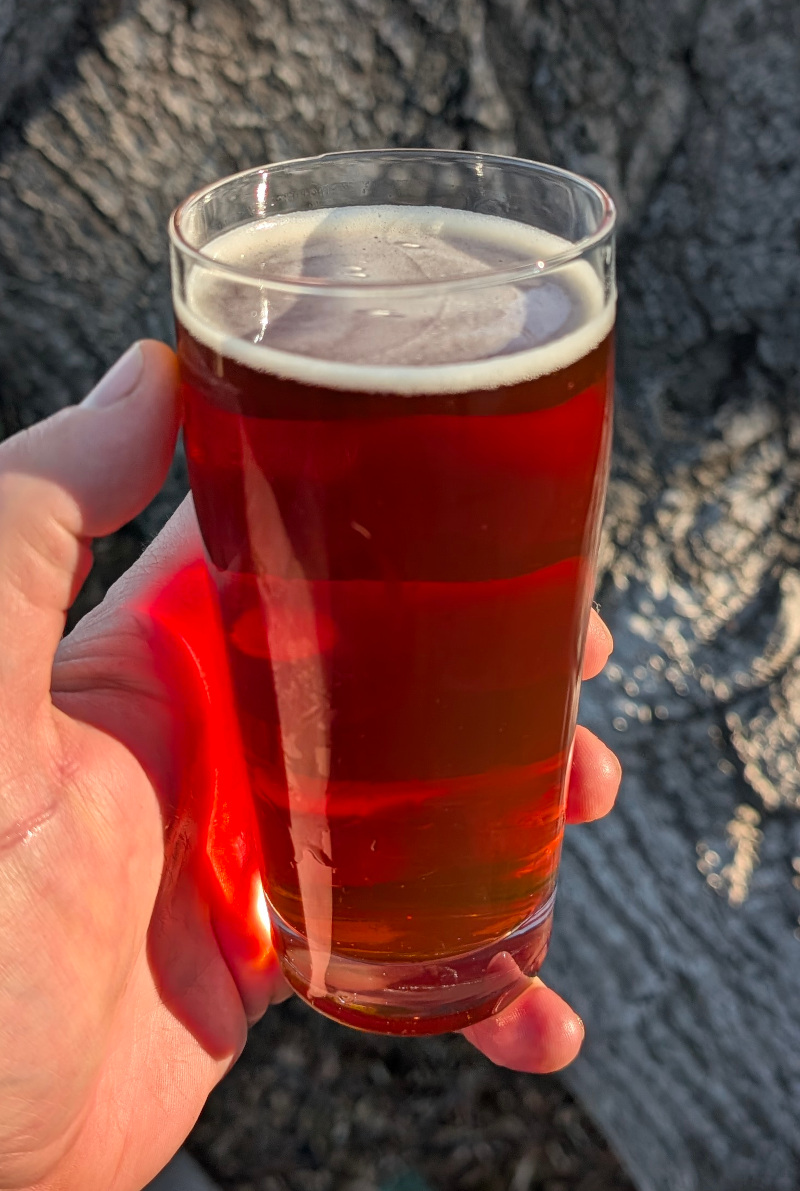
    • A deep brown beer with a garnet tinge, brilliantly clear; it pours with a tall and exceptionally persistent deep tan head.
  • Aroma
    • Citrus and pine hop aroma at a medium level, alongside a medium-low malt character–chocolate, caramel, faint nuttiness. A grainy quality comes into perception as the beer warms. Clean yeast profile.
  • Flavor
    • Bitter beer with a resiny quality. Moderate level of maltiness with a slight chocolate, caramel, and toasty character. This beer definitely tips more bitter than malty.
  • Mouthfeel
    • Medium-high carbonation–a touch overcarbonated, perhaps. Medium light body and dry finish.
  • Would I Brew This Again?
    • This is a good beer! It is probably closer to a brown IPA than a brown ale, given the lighter malt character and body, as well as the more prominent hops aroma on the nose. It’s super drinkable! I like the dry hop aroma–it is perfect for this beer, and melds well with the malts. I might dial back the bitterness on future versions, down to around 30 IBU. Although the recipe calls for ~35 IBU, I think it’s a bit much, at least to my palate at the moment.
  • Overall
    • 8/10