Beer Tasting: Alt-Alt Ale

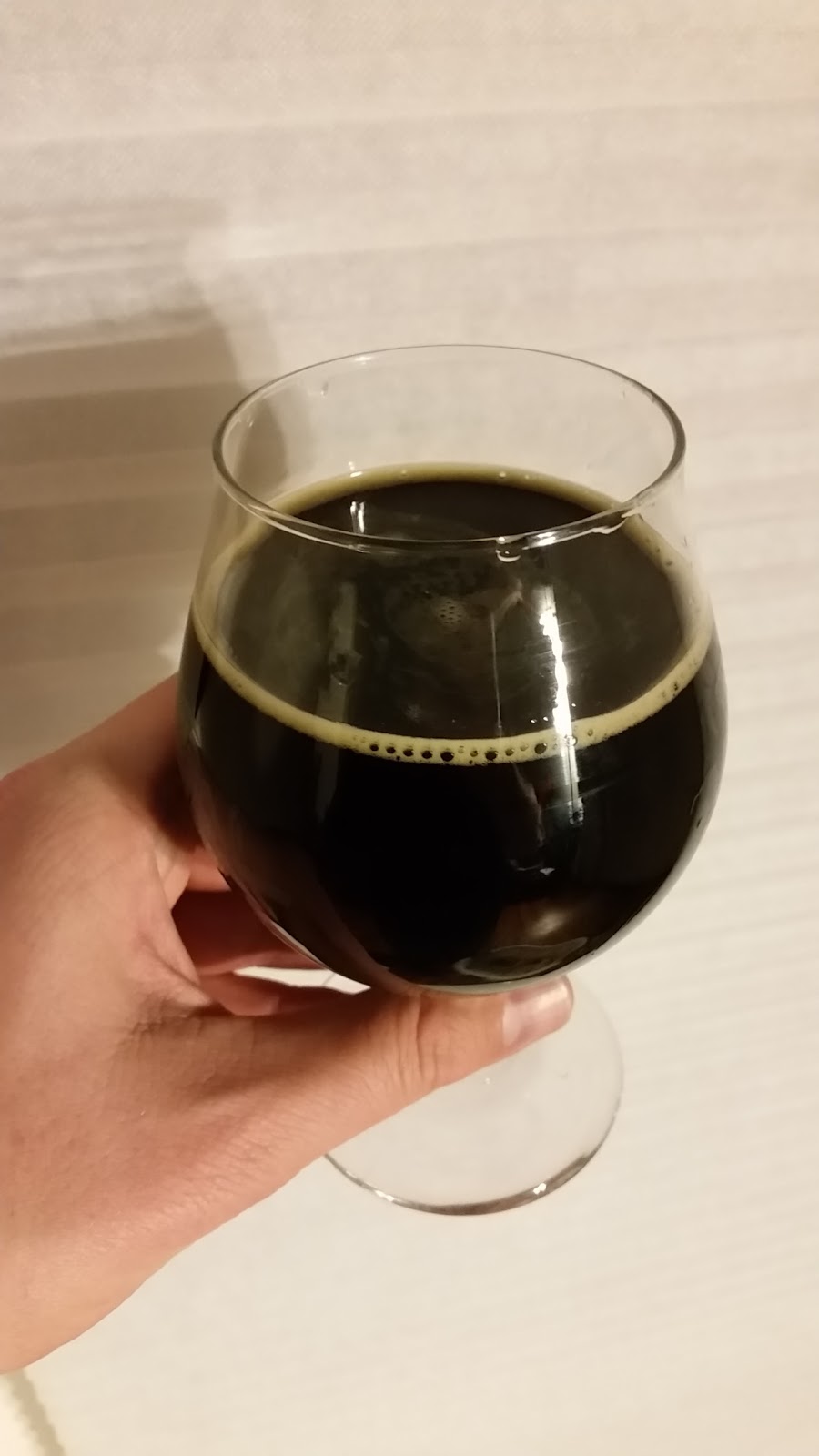
My altbier has been on tap for over a month, and seems to be at peak flavor. Time for a tasting!

  • The Basics
    • Original gravity = 1.052, final gravity = 1.008, abv = 5.8%; estimated IBU = 28.
  • Aroma
    • Exceptionally malty, with a strong caramel/sweet note (thank you, honey malt!). I do not pick up much in the way of hops, esters, or other components.
  • Appearance
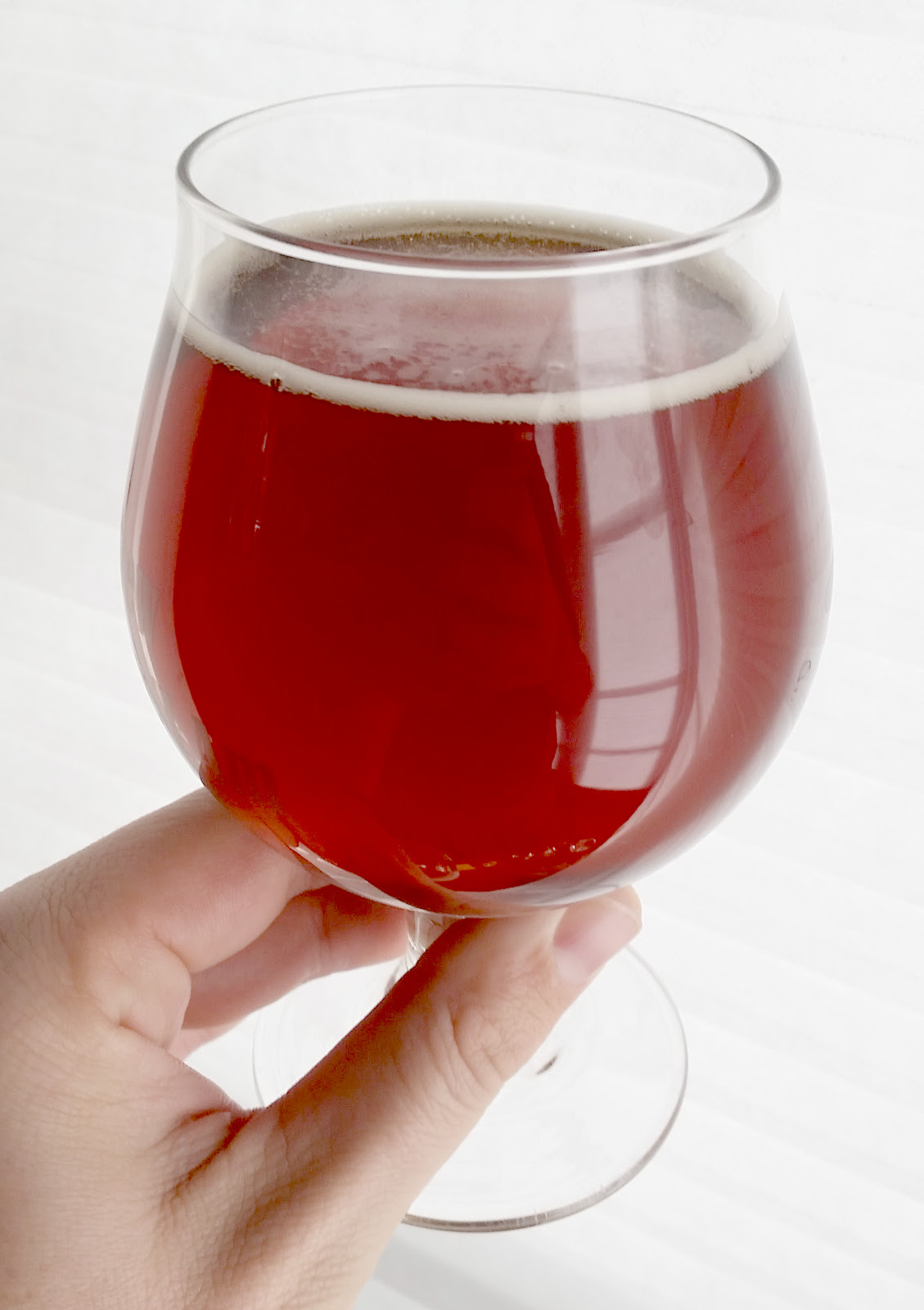
    • Brilliantly clear, with a deep amber, almost copper, hue. The head is low and ivory colored, with excellent retention.
  • Flavor
    • Moderately-high degree of maltiness, which is predominated by caramel aspects at the front end and a bit of breadiness at the back. It is rather bitter, and the bitterness has a distinct but clean character. There is a very modest perception of sweetness, but it is not overwhelming. The maltiness and hopiness are really nicely balanced, although it is definitely the bitterness that lingers longest on the finish.
  • Mouthfeel
    • This is a medium-bodied beer, with medium-high carbonation.
  • Would I brew this again?
    • I quite like this beer, particularly as a way to try out a new style along with some malts that depart from my usual repertoire. The gelatin definitely did the trick for fining this out (particularly so when melded with the ingredient of time in the keezer). It departs from the altbier style in some ways (e.g., head is a bit lower than optimal for the style, and I didn’t use much in the way of German ingredients), but as a variation on that theme, it’s darned good. I can’t say it is in my “brew and drink every day” category (it’s a little too ‘massive’ of a beer for that), but it’s definitely in the “brew every once in awhile and enjoy” category.
  • Overall rating
    • 8 / 10

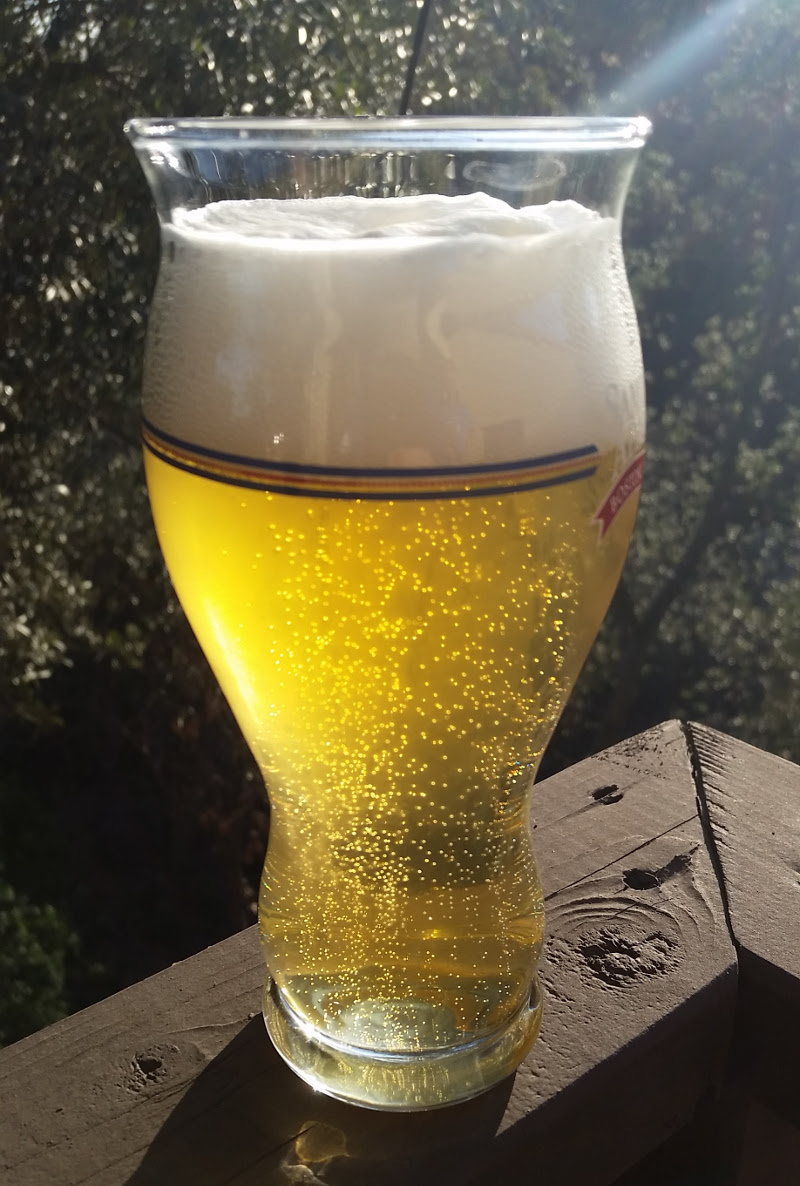
Special Beer Review: Heady Topper

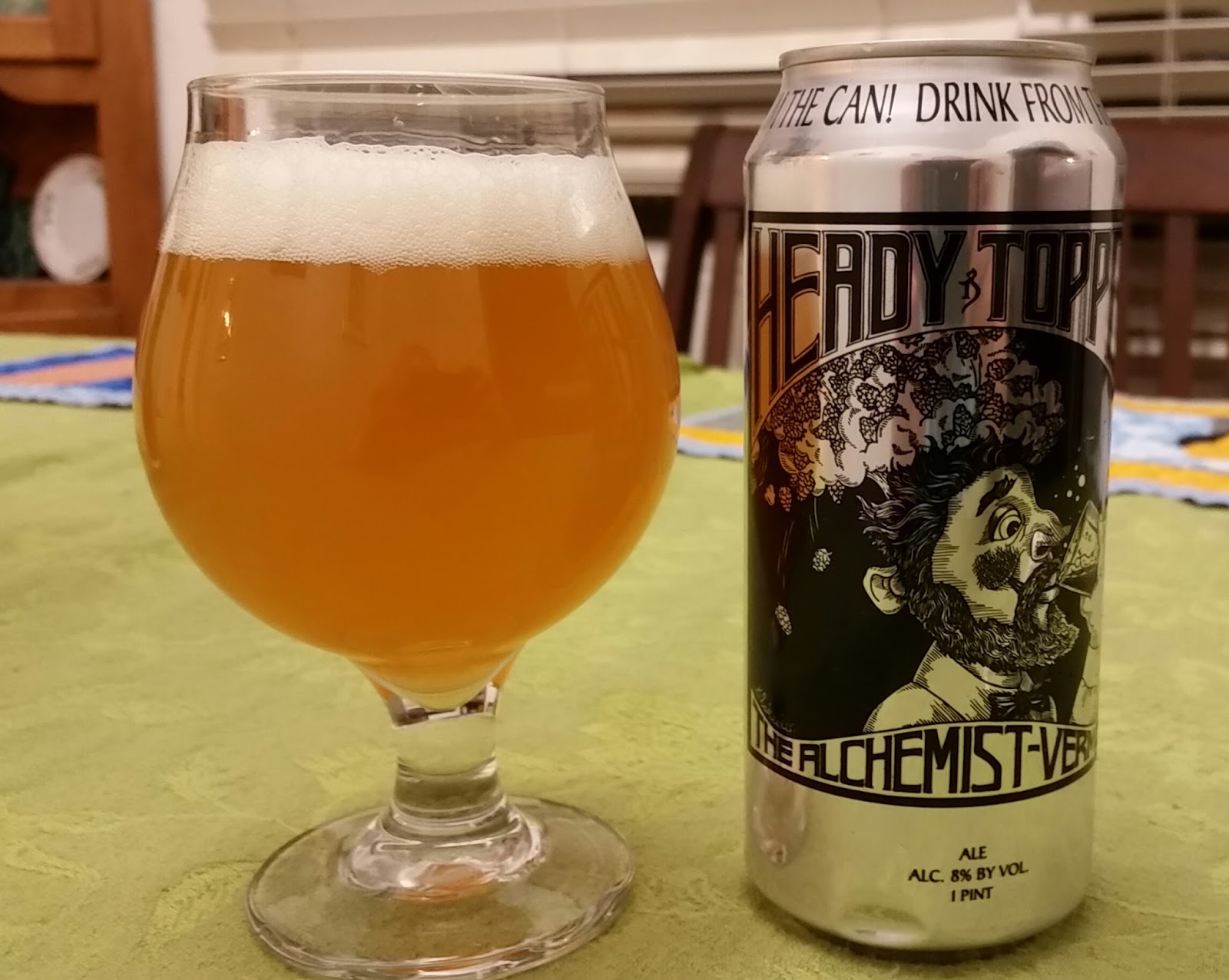
A friend was out east recently, and brought me back a can of Heady Topper! I’ve never had this legendary beer before, so I thought I would really slow down and savor the experience by doing a formal tasting. Here it is!

I disobeyed the directions on the can, and poured most of the contents into a glass. I left a bit in the can, though, and talk about the distinctions at the end of the post.

  • Appearance
    • Hazy light gold beer, with a thick and sticky cream-colored head that leaves some fine lacing on the glass.
  • Aroma
    • Piney and slightly dank aroma, with a hint of peach/apricot behind it. As the beer settles down, the aroma is milder.
  • Flavor
    • Definitely hop-forward, with a smooth and well-rounded bitterness that ramps up as I drink it. The hop character is quite resiny and piney. I don’t pick up much in the way of other flavors, but that might just be my palate. Malts are in the background; I can’t say anything in particular about them.
  • Mouthfeel
    • The beer has a medium body, with a slick mouthfeel; it really coats the tongue. I’m guessing that must be the hops.
  • Overall
    • This beer definitely lives up to the hype, although I am curious how I would view it in a blind tasting. The hype is probably part of the experience, and definitely set me up to want to enjoy it. It’s interesting reading reviews on Beer Advocate and places like that…there is a very subjective element (I think the technical term is “BS”). Really…passionfruit and cracker alongside 20 other flavors? I suppose…

Is it that different in the glass versus from the can? Not in flavor, certainly. I perceive the aroma as different, but I think that’s largely because of the metallic aroma from the can itself. This shifts the overall aroma more towards the citrusy side–very interesting, but definitely not a “real” character of the beer.

2016 Orange Summer Wheat Ale

One of the better brews during the “early” stage of my homebrewing career was an orange wheat ale. Inspired by Hangar 24’s offering, my overall recollection is that I got some nice orange flavor into the mix. I would like to make this again, but with the massive changes in my brewing techniques (particularly the switch to all-grain), I needed a nearly complete reformulation. I’m also adjusting the recipe for the hops I have on-hand.

It’s still a fairly simple recipe, and one that I hope turns out well. My other experimental change this time is to modify the way I handle the oranges. In the previous batches, the whole oranges (crushed) went into the fermenter along with the zest. For this iteration of the recipe, I’m going to soak the zest in vodka and add it at kegging.

2016 Orange Summer Wheat Ale

  • 5.75 lbs. white wheat malt
  • 2.5 lbs. 2-row malt (Great Western Malting Co.)
  • 0.5 lbs. 10° L crystal malt
  • 0.25 lbs. rice hulls
  • 1.25 oz. Mt. Hood hops pellets (5.75% alpha, 30 minute boil)
  • 1 pkg. American Hefeweizen Ale yeast (White Labs WLP320), prepared in 1.25 L starter
  • Zest of 3 medium to large oranges (1 navel, 2 Valencia), steeped in a few ounces of vodka
Procedure
  • The day before brewing, I made a starter of 1.25L water and 125 g of light DME. I added the yeast culture, and let it run for around 20 hours.
  • I mashed in with 3.6 gallons of water at 164.5°, to hit a mash temperature of 152°. The temperature was down to 149.5° after 40 minutes.
  • After 60 minutes, I added 1.25 gallons of water at 185°, which raised the mash temperature to 154°. I let it sit for 10 minutes, vorlaufed, and collected the first runnings. Then, I added 3.75 gallons of water at 190°, and a little ice to cool the mash down, and got a temperature of 165°. I let it sit for 10 minutes, vorlaufed, and collected the rest of the runnings.
  • All told, I collected 6.9 gallons of wort with a gravity of 1.036. This equates to 74% mash efficiency.
  • I started the boil, and added the hops after 30 minutes. After 60 minutes total, I turned off the heat and chilled the beer to 72°. I pitched the yeast and sealed the fermenter.
  • Starting gravity was 1.043, with 5.5 gallons into the fermenter. Fermentation had taken off within 12 hours. Because my fermentation chamber was currently on hold for lagering, I am fermenting this beer at ambient temperature. This means the brew is about 68°, give or take a degree.
  • I brewed this up on Monday, February 9.

3P Kegged

After 11 days at 65°, my pre-Prohibition pilsner is down to a final gravity of 1.008. This equates to 5.5% abv and 83% attenuation. The low mash temperature definitely did the trick for drying out the beer! On Saturday, January 30, I dropped the temperature down to 40°, and on Sunday dropped it again to 35°. This evening (Sunday, January 31), I kegged the beer. I am fining it with 3/4 tsp. of gelatin in 1/2 cup of water, mixed in with the beer. I’m force-carbonating and lagering at a temperature of 34°.

The beer has cleaned up pretty nicely, although is still pretty hazy. I expect the gelatin should take care of that in short order. I can definitely pick up the corn in the grist, as expected for a beer in the American pilsner style.