Beer Tasting: Ophidia IPA & CA IPA

Both of my recent IPA’s are long-gone (Ophidia IPA first, and CA IPA most recently), but I hadn’t gotten around to posting the tasting information. So, this post is a double-header!
ophidia_IPAOphidia IPA

  • The Basics
    • O.G. = 1.055; f.g. = 1.012; 5.6% abv; 6 SRM; 52 estimated IBU
  • Aroma
    • Beautiful tropical fruit aroma–guava notes are really prominent (I feel a bit silly typing out this kind of pontification, but it’s seriously there!), and a bit of citrus is behind that when it is first poured. As the beer warms up, the purported blueberry associated with Mosaic hops comes forth. It’s a very hop-forward aroma, covering up the malt.
  • Appearance
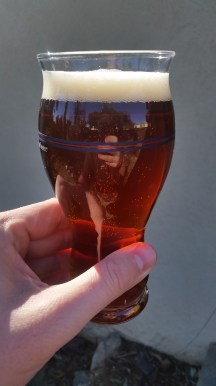
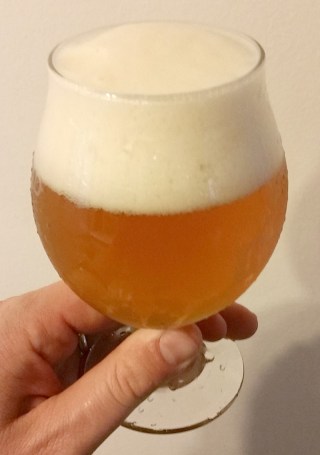
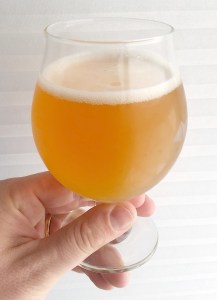
    • Gold color, moderately hazy, with a low and persistent off-white head.
  • Flavor
    • Hop-forward once again, as you would expect for an IPA. The bitterness is clean and persists nicely from first sip to the finish. Any hop flavor is vaguely tropical and citrusy. The malt is clean, ever-so-slightly-sweet, and in the background.
  • Mouthfeel
    • This is a moderately dry and fairly light-bodied beer, carbonated as appropriate for the style. The dry finish lingers pleasantly on the tongue.
  • Would I brew this again?
    • Hmm…this is in the category of “pretty good, but not life-changing.” It hits nicely on most notes, but I think it might fall victim to “tropical hop burn-out” in the wake of many citrus/fruit-bomb IPAs and pale ales that I’ve done over the past year. I didn’t quite hit my marks for final gravity due to the mash being a bit too cool, but I’m honestly not sure if that’s a totally bad thing. The aroma is absolutely delicious–the Mosaic and Citra combo play together beautifully. This is a very drinkable beer; probably too easily drinkable! I really like it, but it is just missing something very minor that I can’t quite place in the flavor. Ah well!
  • Overall
    • 8/10

CA_IPACA IPA

  • The Basics
    • O.G. = 1.060; f.g. = 1.009; 6.7% abv; 6 SRM; 63 estimated IBU
  • Aroma
    • Slightly phenolic, which overpowers any hop aroma. There is maybe a slight piney hint, but that’s about it.
  • Appearance
    • Gold beer with a moderate haze. The off-white head forms a persistent blanket over the surface of the beer.
  • Flavor
    • Pear/apple notes (probably from the yeast), with a slightly herbal/spicy character behind that–perhaps even a bit phenolic. I attribute this to a brief lapse with the fermentation chamber–the freezer side accidentally got unplugged, so the temperature peaked at 73 or 74 degrees. It’s actually rather close in many ways to what my first, non-temperature-controlled batches tasted like.
  • Mouthfeel
    • Medium-dry body, moderate carbonation.
  • Would I brew this again?
    • Maybe? Unfortunately, enjoyment of this beer is really ruined by the slight bump into high temperatures early in fermentation. I’m willing to try this temperature and technique again, though.
  • Overall
    • 3/10

Beer Tasting: Holy Helles

20170423_150736Time for another beer tasting! This Munich helles–my first attempt for the style–has been an enjoyable brew. I entered it into the first round for the NHC…it didn’t place, but I’ll be interested to see how the score sheets pan out. I should get those later this week, but until then, here are my own thoughts!

  • The Basics
    • O.G. = 1.047; f.g. = 1.012; 4.6% abv; 4 SRM; 19 estimated IBU
  • Aroma
    • Mild spicy hop note, with a moderate degree of slightly sweet maltiness behind that.
  • Appearance
    • Brilliantly clear and light gold in color. The beer pours with a thick off-white head that settles to a nice even and persistent blanket across the top of the beer.
  • Flavor
    • Nice malt character, with a bit of graininess to it. The bitterness level is subdued and definitely in the background
  • Mouthfeel
    • Relatively light bodied, moderately carbonated, with a medium-dry finish. The bitterness hangs around on the finish for awhile, although it is not overpowering.
  • Would I brew this again?
    • This is a good beer, and quite drinkable, but I think it falls down a bit in the malt character. To bring this a touch more into the Munich helles style, I might up the malt profile just a bit–it seems like it swings to the hops end on aroma just a bit more than I would prefer. One fellow homebrewer suggested using a German pilsner malt rather than the Bohemian pilsner malt I’ve been using as of late–this might be a good first step.
  • Overall: 6/10

Beer Tasting: First Amendment Blonde Ale

20170320_170026After a month conditioning in the keg, my latest blonde ale seems to be at its peak!

  • The Basics
    • O.g. = 1.051; f.g. = 1.011; 5.2% abv; 5 SRM; 24 estimated IBU
  • Aroma
    • Malty sweet aroma, with a very slight fruitiness behind that.
  • Appearance
    • Light gold and clear, with a low and persistent white head.
  •  Flavor
    • The flavor on this one really highlights the malt, which has a rounded maltiness. The hop level is moderate, maybe a touch stronger than I care for, with a slightly earthy and woody finish.
  • Mouthfeel
    • The beer has a moderately light body, moderate carbonation, and off-dry finish.
  • Would I brew this again?
    • Overall, this is a tasty and easy-drinking blonde ale. I think my moderate water adjustments helped a lot in this recipe versus some previous ones, in that the hop character avoids the flabbiness that I’ve had in some previous batches without adjustments. I could probably dial the overall hops back a tiny bit for my taste, but in general I’m pretty happy with this recipe!
  • Overall
    • 8/10

Beer Tasting: Take Two Vienna Lager

20170128_132534My latest Vienna lager ran out just a few days ago, but not before I worked in a beer tasting as well as a submission to a local beer competition. This batch earned an honorable mention (i.e., 4th out of 15 entries) in a combined Amber and Dark Euro Beers table at the 2017 Romancing the Beer competition. Tasting notes below were completed before competition results were announced, and I have not yet been able to compare my impressions with those of the judges.

  • The Basics
    • O.g. = 1.052; f.g. = 1.013; 5.1% abv; 12 SRM; 25 estimated IBU
  • Appearance
    • Deep amber, brilliantly clear beer, with a persistent ivory head.
  • Aroma
    • Slightly toasty, with a spicy and mildly floral hop note.
  • Flavor
    • Toasty maltiness, with the slightest hint of a caramel note at the very end of the finish. Hoppiness is subdued but noticeable.
  • Mouthfeel
    • Slightly dry, medium-light body.
  • Would I brew this again?
    • This is a good Vienna lager, but not a great Vienna lager (in my opinion). The slight touch of caramel on the taste throws it a bit out of style for me, and also isn’t quite what I wanted in the beer. The color is apparently within the bounds of the BJCP style guidelines, but darker than I really desire for this kind of beer. I suppose it falls within the realm of “North American Craft Vienna Lager.” For the next time around, I would reduce the melanoidin and Carafa II malts to lighten the beer and reduce any caramel notes. All that said, if I set aside stylistic preferences this is an exceptionally drinkable brew, and it was quite popular at a recent get-together.
  • Overall
    • 7/10

Beer Tasting: Good Riddance Pale Ale

20170218_163101This pale ale has disappeared surprisingly quickly; with only a little bit left in the keg, it’s a good time to do a quick tasting.

  • The Basics
    • O.g. = 1.053; f.g. = 1.011; 5.6% abv; estimated IBU = 41; 7 SRM.
  • Aroma
    • Orange and grapefruit, with a hint of tropical fruit at the background — a nice, medium-strong hop aroma.
  • Appearance
    • When poured, I get a tall, off-white head that is pretty persistent and medium-fine. The beer itself is a burnished gold color and fairly hazy (but not opaque like a NEIPA).
  • Flavor
    • The balance is towards the hops (which have a definite grapefruit character), but the malt character is still pretty nice–slightly grainy.
  • Mouthfeel
    • Bitterness is moderately high, but not over the top. The finish is a touch thinner and drier than I care for, which could be corrected by mashing a degree or two higher or adding in an extra quarter pound of crystal 20. That said, the finish is also nicely balanced between hops and malt, and isn’t puckeringly bitter like some other beers I’ve made.
  • Would I brew this again?
    • This beer was a real surprise! I like it much more than I thought I would. Considering that the main aroma hops were coming up on two years of ago, they held their own really well. I suppose the combination of vacuum seal+deep freeze paid off! This is definitely encouraging for other hops in long-term storage. Overall, the base recipe is another good one to add to my repertoire of American pale ales, with just a few minor modifications for mash temp and hops.
  • Score
    • 7/10