Scaphohippus Pale Ale

My latest hoppy brew involves a pale ale recipe from the Maltose Falcons’ 50th anniversary recipe book. It’s a nice volume with some interesting recipes across a variety of styles. The book is by design geared for members of the club, with a decent bit of inside baseball and anecdotes and stuff, but for someone who likes field-tested recipes (versus rando ones posted online), it’s a worthy addition to a home library. I found some of the recipes to be a bit hard to follow in the formatting or presentation (e.g., lines of text with odd breakpoints that made it hard to discern what went where; limited procedural guidance for some batches–I can’t fault them too much, because it is a compendium of recipes from a whole bunch of people across decades of time), so I wouldn’t recommend it for the novice brewer, but most folks who are in the intermediate to advanced stages of brewing should be very capable of putting the recipes to work.

In any case, a recipe called “Halfcolt Pale Ale” caught my eye as a contemporary pale ale of reasonable ABV that incorporated ingredients I mostly had on hand. I made some modifications, both for the base malts and to use hop pellets versus the cryo products, and away I went on my interpretation. Two versions of the recipe were included in the book; one is a commercial scaled version and the other is a homebrew version. Beyond batch size, there are some significant differences between recipes. Most notably, the homebrew version lists bitterness at 76 IBU, whereas the commercial version is published at 50 IBU. I elected to dry the much more bitter homebrew version, partly because I wanted a robustly in-your-face beer. In the printed version of the recipe, the line alignment for hop additions made it ambiguous which were whirlpool and which were dry hops, so I made some informed guesses.

This recipe gets the name of “Scaphohippus Pale Ale,” because this extinct equine was about half the size of a regular horse (i.e., a “halfcolt”).

Recipe Name

  • 8.75 lb. 2-row brewer’s malt (Great Western)
  • 1 lb. Maris Otter pale malt (Thomas Fawcett)
  • 0.5 lb. Carafoam (Weyermann)
  • 6 oz. Victory malt (Briess)
  • 4 oz. Viking Caramel 100 malt (crystal 40)
  • 0.5 tsp. BrewTanB, added to mash
  • 0.25 oz. Simcoe hop pellets (12.4% alpha), first wort hop and 60 minute boil
  • 1 oz. Cascade hop pellets (7.3% alpha), 20 minute boil
  • 1 oz. Simcoe hop pellets (12.4% alpha), 20 minute boil
  • 0.5 tsp. BrewTanB, 10 minute boil
  • 1 Whirlfloc tablet, 5 minute boil
  • 1 oz. Simcoe hop pellets (12.4% alpha), 20 minute whirlpool
  • 0.5 oz. Amarillo hop pellets (10.4% alpha), 20 minute whirlpool
  • 1 pkg. California ale dry yeast (WLP001, White Labs)
  • 1 oz. Amarillo hop pellets (10.4% alpha), dry hop for 12 days
  • 1 oz. Cascade hop pellets (7.3% alpha), dry hop for 12 days
  • 1 oz. Simcoe hop pellets (12.4% alpha), dry hop for 12 days

Target Parameters

  • 60 minute infusion mash, 150°, full volume mash
  • 1.049 o.g., 1.009 f.g., 5.3% abv, 75 IBU, 6 SRM
  • Claremont tap water adjusted to hit a profile of 86 ppm Ca, 19 ppm Mg, 89 ppm Na, 192 ppm SO4, 110 ppm Cl, and 156 ppm bicarbonate.

Procedure

  • I collected 7.4 gallons of tap water, adding a Campden tablet, 3 g epsom salt, and 5 g gypsum to hit my water target parameters.
  • I heated the strike water to 156° and added the grains along with 5.7 mL of 88% lactic acid, holding the temperature at 150° for 60 minutes while recirculating. Then, I raised the temperature to 168° for 10 minutes before removing the grains.
  • In total, I collected 6.5 gallons of runnings with a gravity of 1.041, for 67% mash efficiency.
  • I brought the runnings to a boil, adding first wort hops, additional hops, and finings per the schedule.
  • After a 60 minute boil, I turned off the heat, added the whirlpool hops, and recirculated for 20 minutes before chilling the rest of the way.
  • I transferred the wort to the fermenter and chilled to 68° before pitching the yeast. Starting gravity was 1.051. I brewed this beer on 24 May 2025 and held it at 68° for fermentation.
  • I added the dry hops on 1 June 2025 and cold crashed the beer on 4 June 2025.
  • I kegged the beer on 13 June 2025, using a closed transfer followed by forced carbonation. Final gravity was 1.009, for 5.6% abv.
  • At my first taste of the beer on 25 June 2025, it was very clear, nearly brilliant, and absolutely delicious.

Tasting

  • Appearance
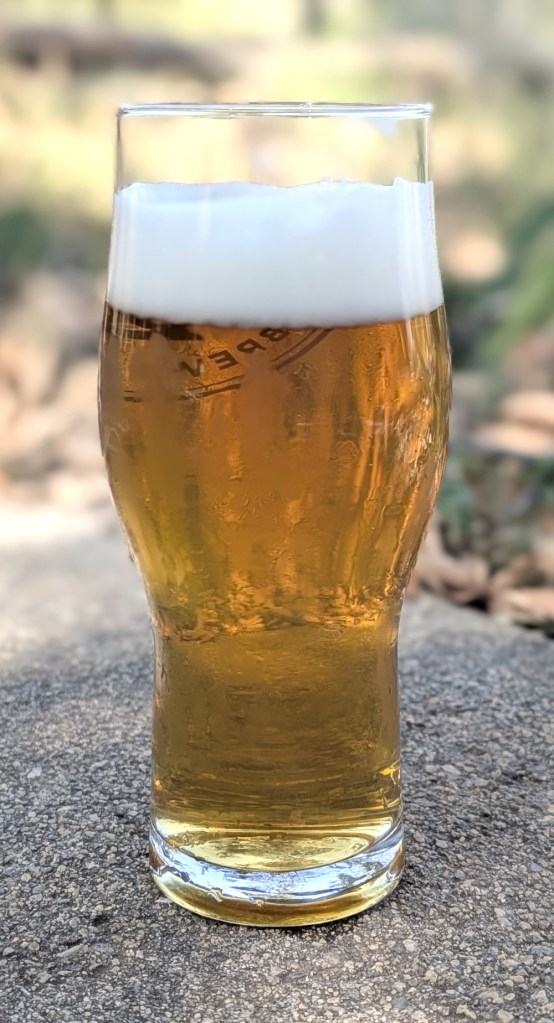
    • Very clear, gold beer, which pours with a dense and persistent white head. It’s absolutely gorgeous in the glass!
  • Aroma
    • Medium level of citrus and a touch of pine in the hop aroma. Not much malt or yeast comes through; perhaps a hint of maltiness as it warms up?
  • Flavor
    • High level of resiny bitterness, with orange citrus qualities and a slight grapefruit pith edge. There is a moderate level of a clean, malty flavor, with hints of caramel and biscuit.
  • Mouthfeel
    • Medium body, medium level of carbonation, dry finish.
  • Would I Brew This Again?
    • This is a really enjoyable hoppy ale! It tilts more towards IPA (and a traditional west coast version at that) than pale ale due to the aggressive bittering, and so stylistic grounds were the main reason I didn’t give it a 9 or 10. The hop flavor and aroma are great; I think I’ve got my hop handling and kegging techniques pretty dialed in now to maximize flavor and freshness over the long haul. If I were to brew this again, I’d notch back the bitterness for future brews down to 50 or 60 IBU, but everything else hits well.
  • Overall
    • 7/10

Spent-Grain Dog Treats

All-grain brewing generates spent grains, and it can be a challenge to deal with them outside of tossing them in the trash. Composting the grains seems to be the best course for my household, although during times of frequent brewing that’s a lot of grain going into the compost barrel. Spent-grain bread is unsatisfying to me, too, because the husks make the product coarser than is really appetizing. So, dog treats are my go-to kitchen use for spent grains.

Hazel, Brew Dog Number One, expectantly awaiting a fresh spent-grain dog treat

First, some notes. Hops are very toxic to dogs, so you should never use the grains from anything that had mash-hopping or any other cases where hops might have gotten mixed in with the grains. Second, a little bit of spent grain goes a long way in this recipe. So, dog treats will never be a primary destination for spent grains resulting from a typical batch, unless you are making industrial quantities. Think of it as a fun novelty and something to do as a post-brew activity. If you have kids around, they might love helping!

This recipe is identical to others floating around out there; my version is based on one posted by the Crafty Beer Girls, hosted at the Red Rock Brewing website. The original version creates a ridiculous quantity, so I halved it and still got more than 40 individual treats. Although these are relatively healthy, we try not to load our dog up with too many treats, so a single batch lasts a long time for us.

Spent-Grain Dog Treats

  • 2 cups spent grain
  • 1 cup all-purpose flour (plus extra for rolling out the dough)
  • 1/2 cup peanut butter
  • 1 egg

Procedure

  • On brew day, I set aside a few cups of spent grain. The grains will keep for up to a week or so in the fridge, but shouldn’t be held longer than that.
  • I preheat the oven to 350°.
  • In a large bowl, I mix the ingredients by hand until the texture is uniform. Then, I split the dough in half and roll each half out on a floured counter or baking mat. The peanut butter makes things somewhat sticky, so the flour is definitely a must.
  • I roll the dough fairly thin, between 1/4 and 1/2 inch max.
  • Using a cookie cutter, I cut out the treats. I like a medium-sized bone shape, but it doesn’t much matter. I do like to avoid any shapes that have sharp edges or corners, just to make them easier or the dog to munch on. It all depends on the size of the dog that will be doing the eating!
  • I place the treats on a baking sheet; these treats do not expand during cooking, so you can place them super close together. There is no need to grease the baking sheet, either; the peanut butter takes care of that.
  • Any scraps left after cutting can get combined and re-rolled, to use up all of the dough.
  • Bake the treats at 350° for 30 minutes, before dropping the oven to 225° and baking another 2 hours. This dries out the treats and gets them ready for storage.
  • Once the treats are done, pull them from the oven and let them cool. They’re ready to eat now! Extras can be kept in an air-tight container or freezer bag. I store them at room temperature, and they keep for months.
  • Depending on the size to which you cut the treats, you can get 40 to 60 pieces out of a single batch.

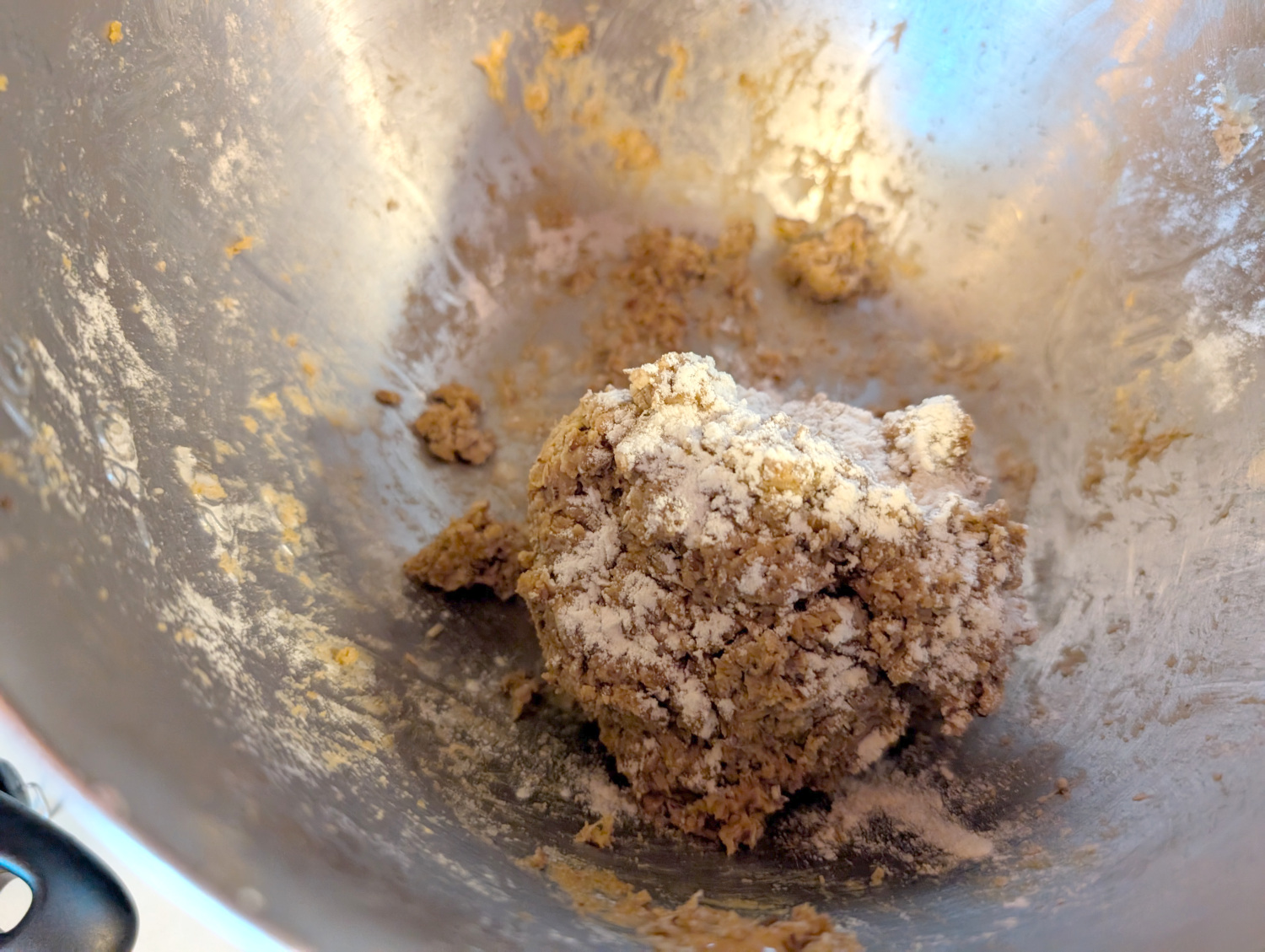
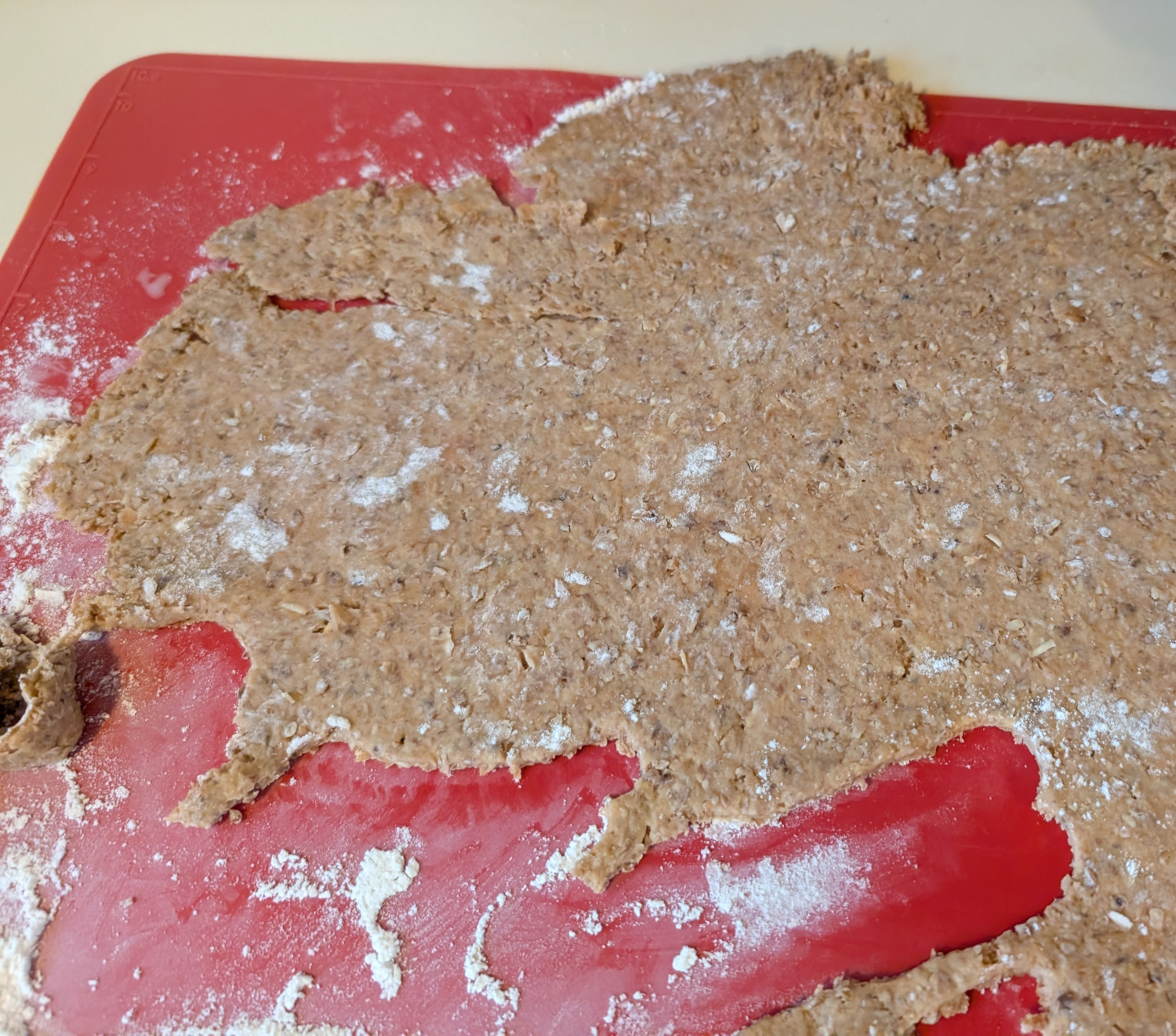
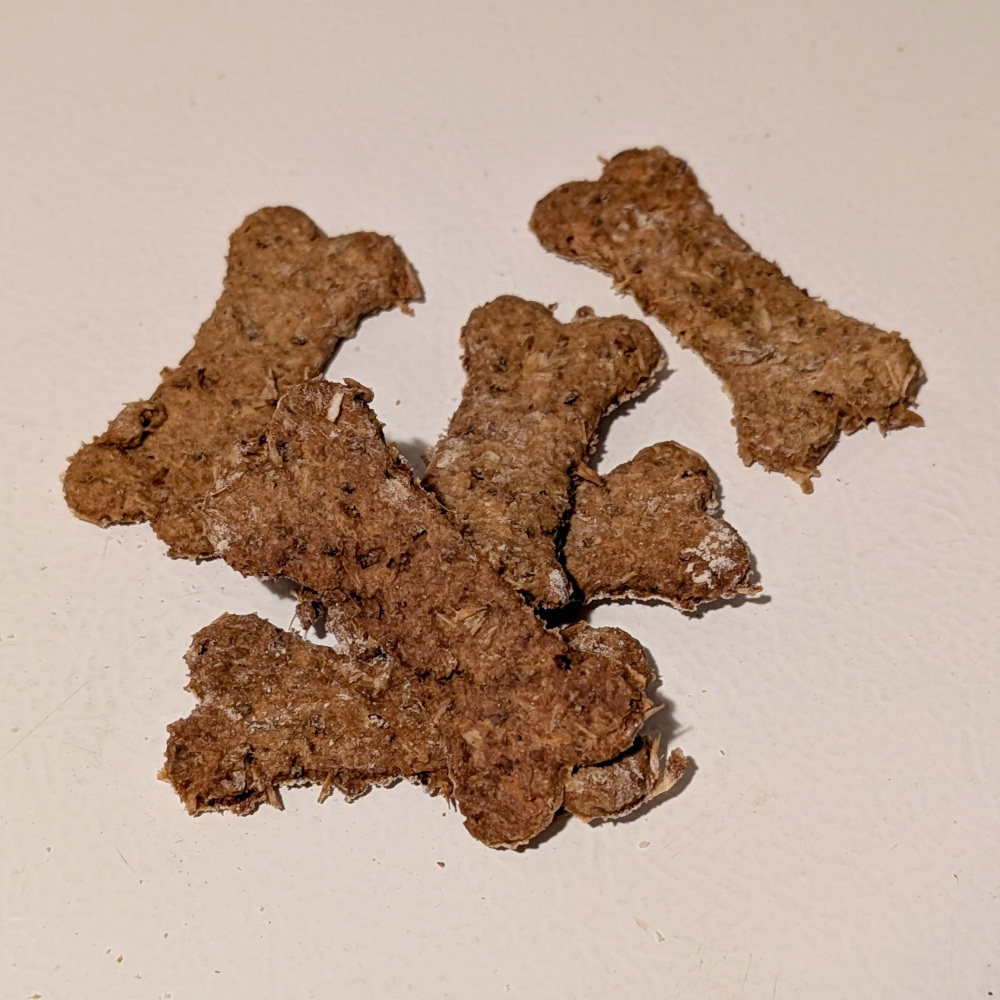
Images above show my most recent batch of treats from mixing (upper left), rolling (upper right), waiting to bake (right), and a few examples of the finished product (bottom). This particular grist was from a pilsner that was 96% pilsner malt and 4% CaraFoam.

Spicy Brown Mustard

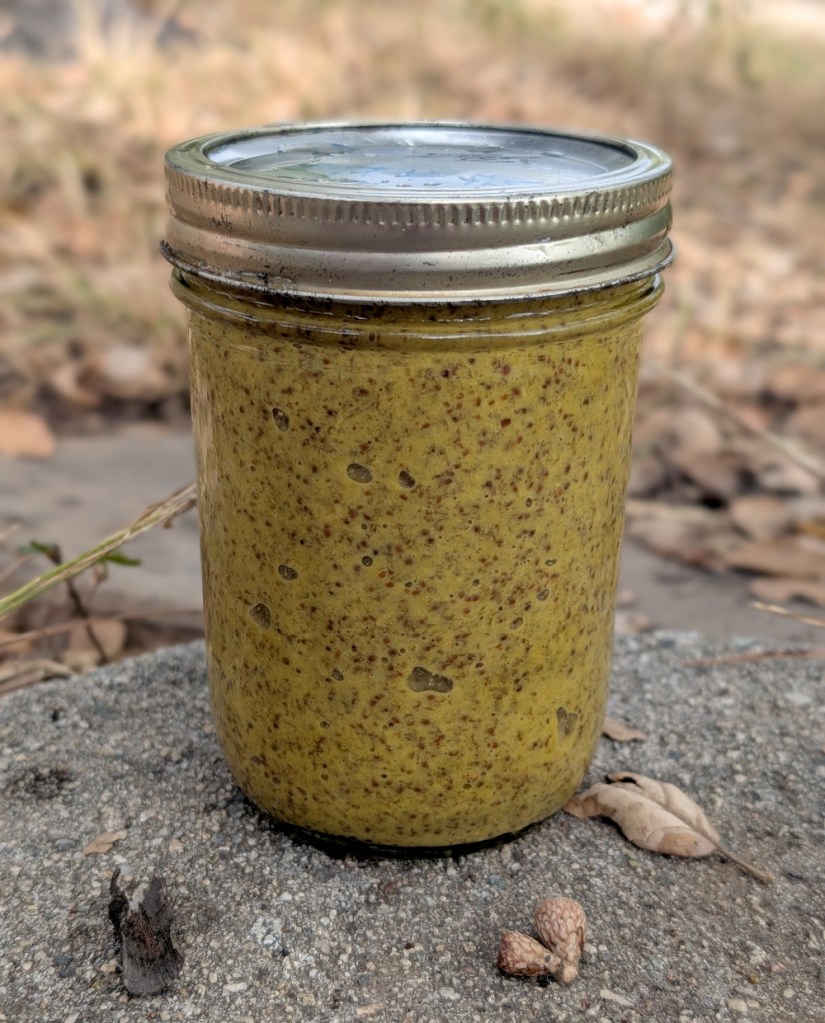
When I think German beer, I think German bratwurst…and then I think sauerkraut and mustard. I’ve never been completely satisfied with store-bought mustard, even the fancy stuff, and so have perfected my own recipe over the last few years. The result is in-your-face, with a fantastic spicy kick from the mustard seeds. I find it interesting that it comes across as horseradish-like, without a single bit of horseradish root.

The recipe is heavily based on a version from The Spruce Eats, but subbing in all brown mustard seed instead of a mix of brown and yellow. I took additional inspiration in the spicing from a recipe at Serious Eats. On the one hand, it’s a fair bit of ingredients; on the other hand, the spices give a complexity that straight-up mustard seeds would not give. I used to add the spices to the simmered liquid ingredients, but for my latest batch I just put them in with the mustard seed and mustard powder. I think I like this revision a bit better, because the aromatics from the spices don’t boil off as much.

The recipe yields around a pint of processed mustard; the mustard seeds swell a surprising amount! The mustard keeps very well in the fridge.

Spicy Brown Mustard

Add to bowl:

  • 1/4 cup + 3 tbs brown mustard seeds
  • 1/4 cup dry mustard powder
  • 1/2 teaspoon ground cinnamon
  • 1/2 teaspoon ground turmeric
  • 1/4 teaspoon ground allspice
  • 1/4 teaspoon dried tarragon
  • 1/8 teaspoon ground nutmeg

Boil for 10 minutes:

  • 1/2 cup water
  • 1 1/2 cups cider vinegar
  • 1 small onion, coarsely chopped
  • 2 tablespoons firmly packed brown sugar
  • 1 teaspoon kosher salt
  • 2 cloves garlic, minced or pressed

Pour the hot liquid over the mustard seeds and mustard powder; stir, cover, and let this mixture sit for 24 hours. It will swell and increase in volume a fair bit. Next, blend the mixture to preferred consistency (I use a stick blender), put it in jars, and refrigerate. Let the mustard sit for at least two days before using (three is better); the mustard has an initial unpleasant bitterness that disappears pretty quickly.

A good use for extra fruit puree

I had about 2 cups of raspberry puree left over from the can I added into my in-progress Raspberry Belgian, and was at a bit of a loss as to what to do with it. I didn’t want to let it go to waste, but it’s also not really the sort of thing you can use that readily (outside of a smoothie, I suppose, but I think fresh fruit is way tastier for a smoothie).

Suddenly…inspiration! With grilling season well at hand here in southern California, I decided to roll the leftover puree into a nice marinade. My intention was to make something slightly smoky/sweet/spicy, and the end result definitely succeeded!

This was somewhat thrown together, so the recipe below is just general proportions. So, you should probably modify to taste. You could probably substitute any reasonably “hot” pepper into this–we just happened to have some jalapeños in the freezer.

Raspberry Jalapeño Marinade

  • 2 cups raspberry puree (Vintner’s Harvest brand)
  • 1/2 grilled and seeded jalapeño pepper
  • 1/2 cup canola oil
  • 2 tbs. lime juice
  • 1 tbs. minced garlic
  • salt to taste
  • a dash of paprika

Procedure

  • Combine all ingredients, and thoroughly blend using an immersion blender.
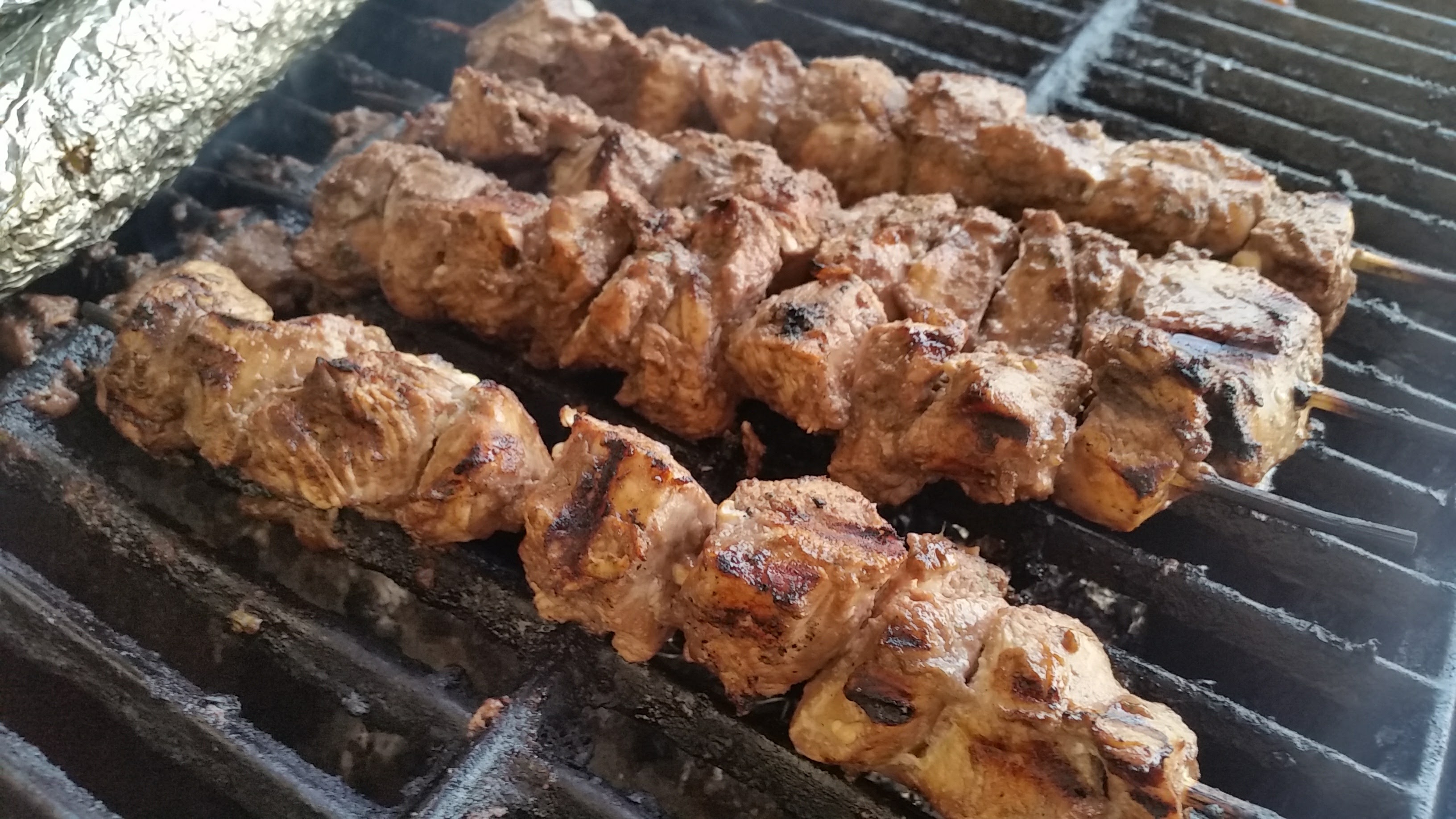
  • This produces enough marinade for around 4 large chicken breasts. I cubed the breasts into pieces around 1 or 2 inches across, and let them marinate in the fridge for a few hours. Then, I put the chicken on skewers and grilled over a medium heat. I drizzled extra marinade over the skewers around midway through cooking.
  • The result was really tasty! Interestingly, the raspberry flavor itself didn’t come through that strongly–it was more as a tart accompaniment to the mild heat of the grilled pepper.

20170709_174059

I had a bit of uncontaminated marinade set aside, perhaps a quarter cup total. I mixed this with about a cup and a half of non-fat yogurt, a teaspoon of garlic, a dash of paprika, and a teaspoon of lime juice, for a really tasty yogurt sauce. This made a nice accompaniment for dipping the grilled chicken (as well as the vegetables I also grilled). We have a bit left over, so I think it will be going onto some fish tacos later this week.