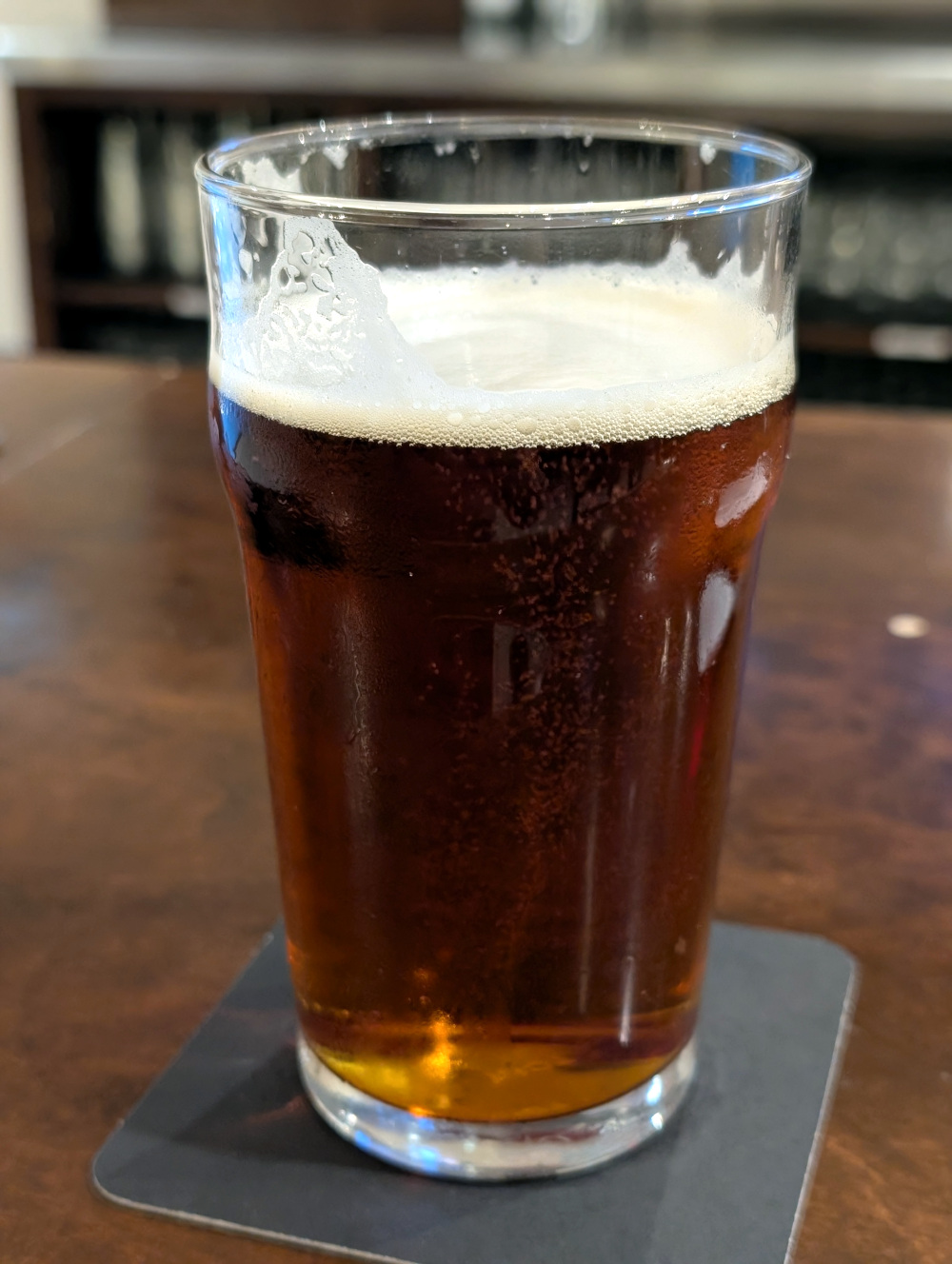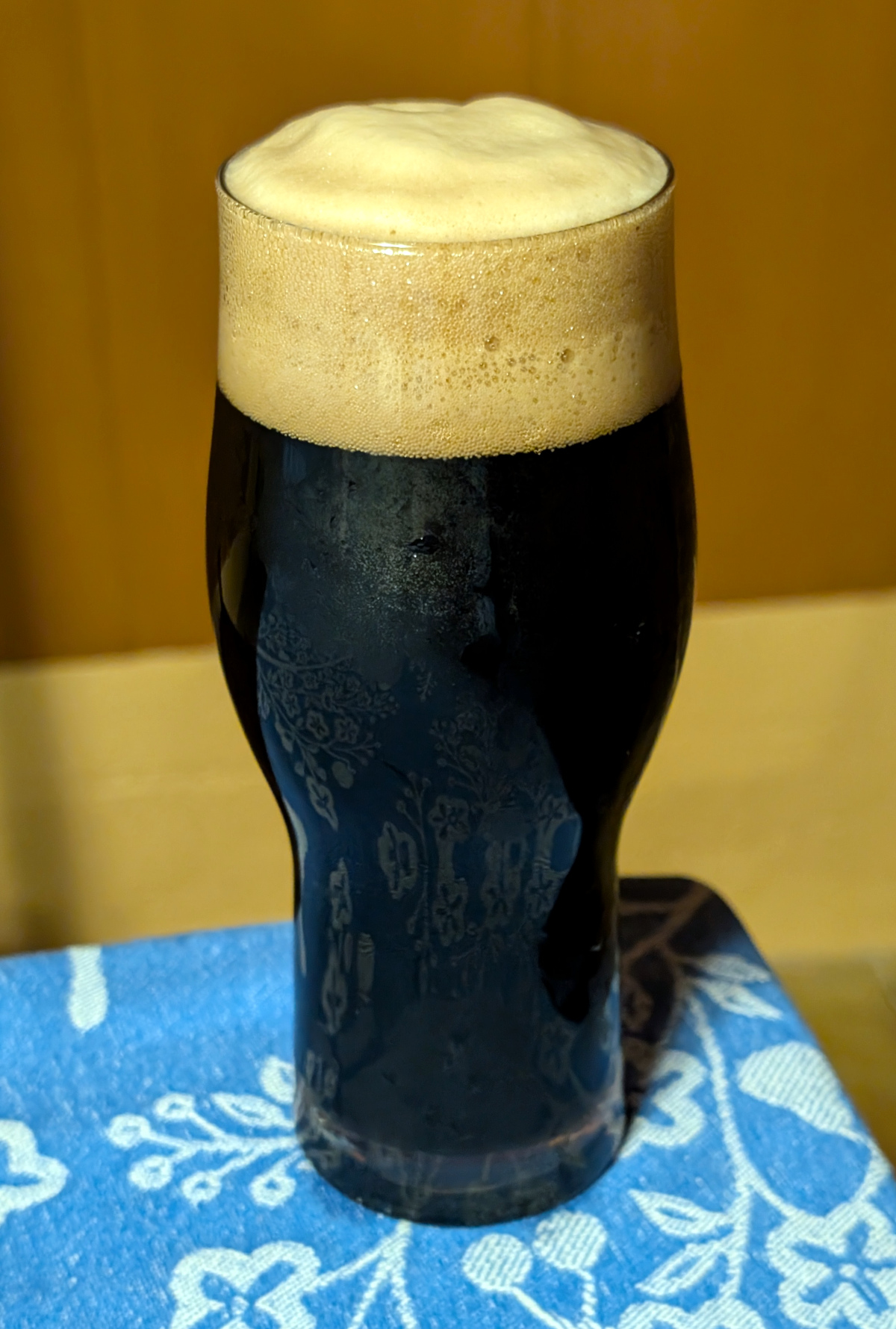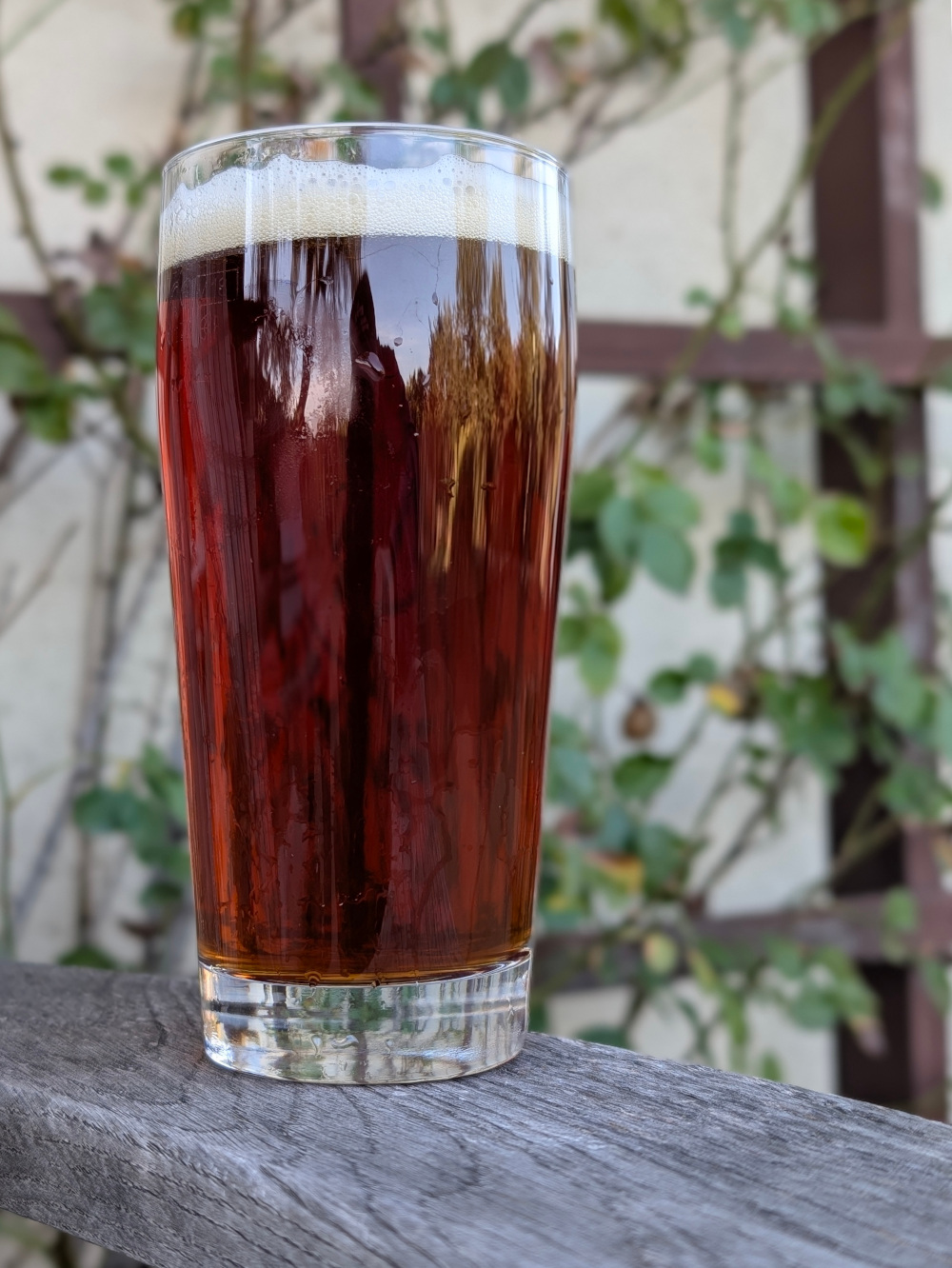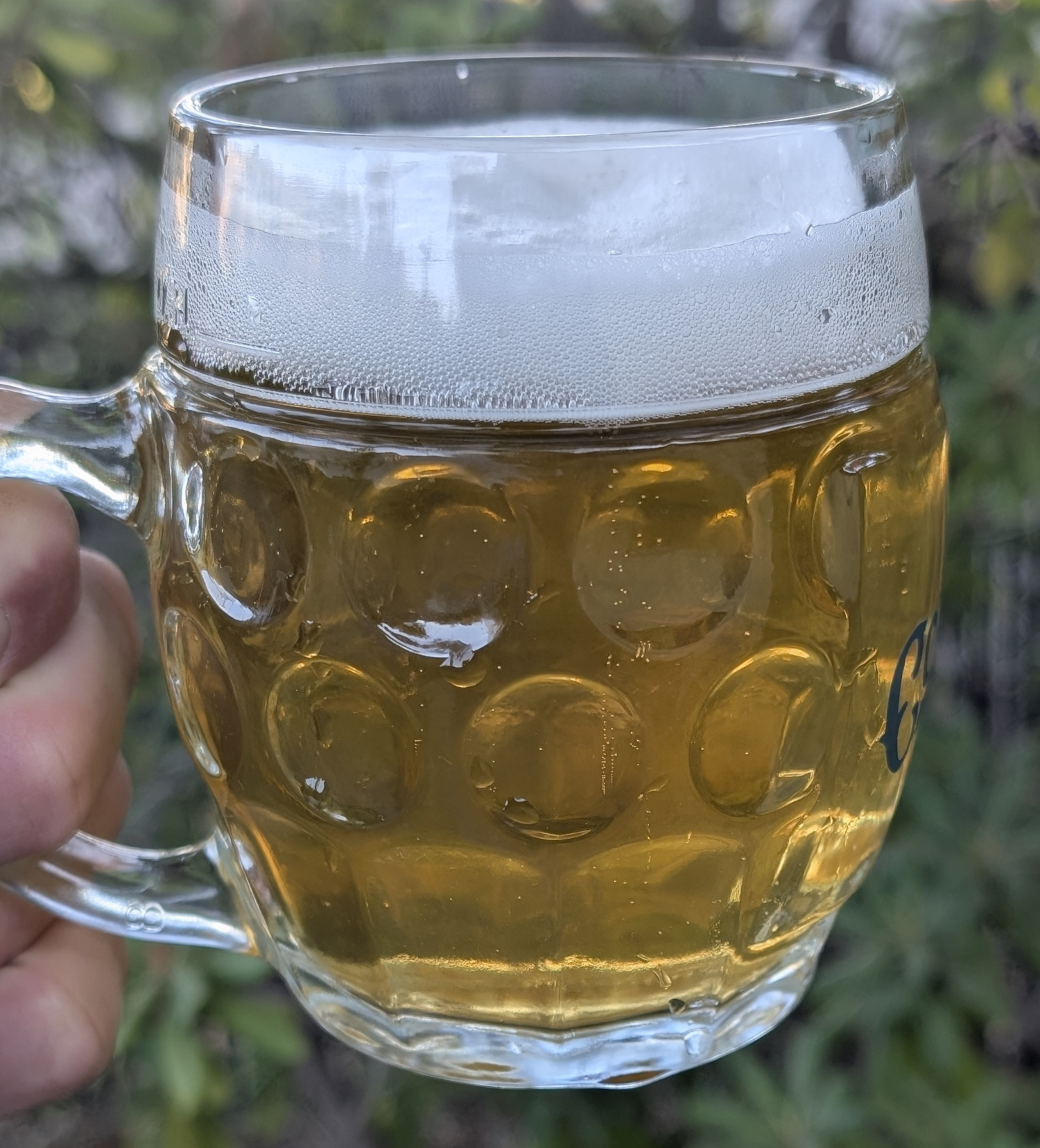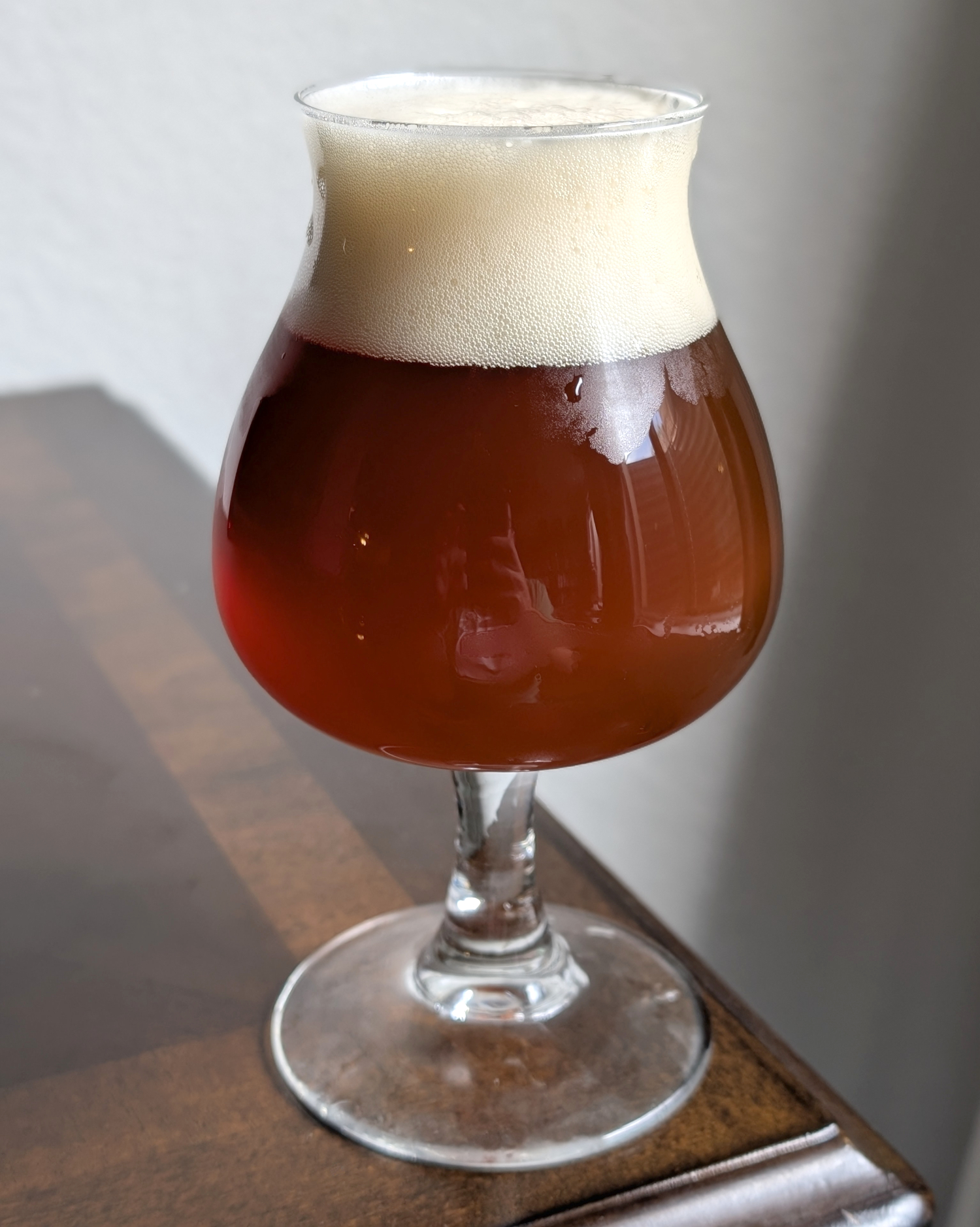
No. 11 Bohemian Pilsner

I’ve been chasing the Bohemian pilsner style for awhile, with variable success. My most recent version, No. 11 Bohemian Pilsner, got pretty close to what I was looking for. It needed just a touch more malt character, so I increased the melanoidin contribution from 4 oz. to 5 oz. for my 2025 version. I was also a bit low on Carafoam, so I reduced that from 8 oz. to 5 oz.; I figured that would have a minimal effect. Finally, I’m using Viking pilsner zero malt as the base, versus Rahr.

Recipe Name

  • 10 lb. Viking Pilsner Zero malt
  • 5 oz. Carafoam malt (Weyermann)
  • 5 oz. melanoidin malt (Weyermann)
  • 0.5 tsp. BrewTanB, added to mash
  • 3.5 oz. Saaz hop pellets (2.4% alpha), 60 minute boil
  • 1.5 oz. Saaz hop pellets (2.4% alpha), 10 minute boil
  • 0.5 tsp. BrewTanB, 10 minute boil
  • 1 Whirlfloc tablet, 5 minute boil
  • 1 oz. Saaz hop pellets (2.4% alpha), 5 minute boil
  • 0.5 tsp. yeast nutrient (WLN1000), 5 minute boil
  • 2 pkg. Diamond lager yeast (Lallemand)
  • 1 oz. Biofine Clear, added to keg

Target Parameters

  • 60 minute infusion mash, 154°, full volume mash
  • 1.049 o.g., 1.010 f.g., 5.1% abv, 37 IBU, 5 SRM
  • Water built from RO, to hit target profile of 6 ppm Ca, 5 ppm Na, 6 ppm SO4, 6 ppm Cl, 14 ppm HCO3, RA=7 ppm

Procedure

  • I started with 7.4 gallons of RO water, to which I added 0.3 g gypsum, 0.3 g calcium chloride, 0.5 g baking soda, to hit target profile of 6 ppm Ca, 5 ppm Na, 6 ppm SO4, 6 ppm Cl, 14 ppm HCO3, RA=7 ppm.
  • I heated the strike water to 159°, before adding the grains, BrewTanB, and 4.1 mL of 88% lactic acid to hit my ideal pH.
  • I held the mash at 154°, with recirculation, for 60 minutes, before raising the temperature to 168° for a 10 minute mashout.
  • At the end of the mash, I pulled the grains and heated the runnings to a boil. In total, I started with 6.6 gallons of runnings at a gravity of 1.041, for 69% mash efficiency.
  • Once the kettle was at a boil, I added hops and finings per the recipe. After the full 60 minutes, I chilled the beer to 80°, transferred to the fermenter, and chilled the rest of the way to 50° before pitching the yeast. I set the fermentation chamber at 52°, and observed signs of fermentation within 12 hours.
  • I brewed this beer on 14 June 2025; it had a starting gravity of 1.049.
  • On 19 June 2025, I pulled the fermenter to ambient for about 4 hours, so that I could chill a second lager (Munich helles) down to 50°. During this time, the fermenter temperature rose to 60° and fermentation really kicked off. I chilled the beer back to 50° after this and completed fermentation at that temperature.
  • I cold crashed the beer on 17 July 2025, and kegged it on 4 August 2025 using a closed transfer. The beer had some haze to it still.
  • Final gravity was 1.011, for 5.0% abv. I hit my numbers really well on this batch!
  • To speed up the clarification process, I added 1 oz. of Biofine Clear on 25 August 2025.

Tasting

  • Appearance
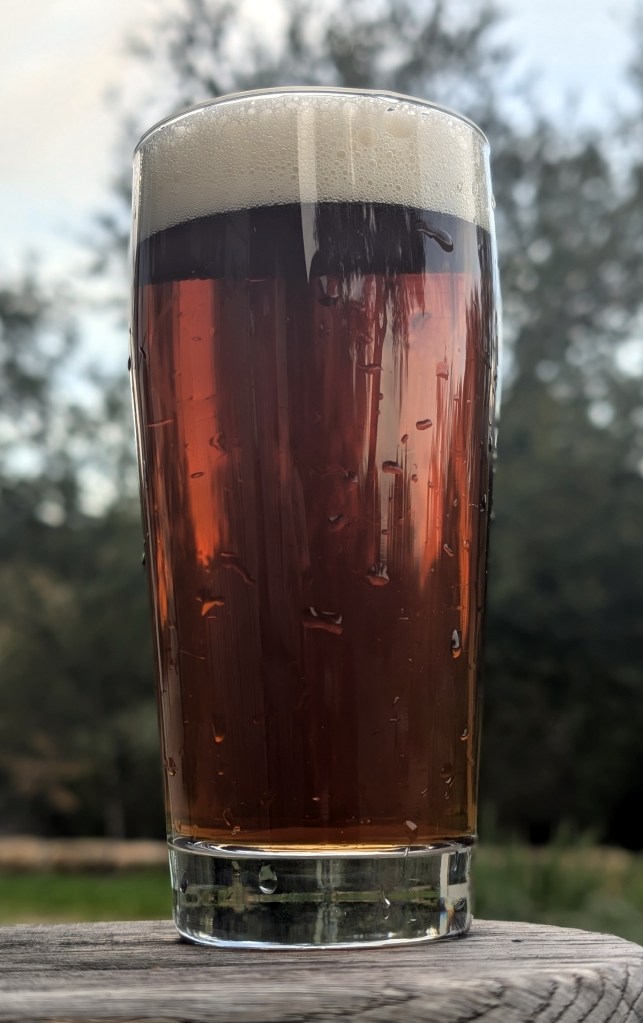
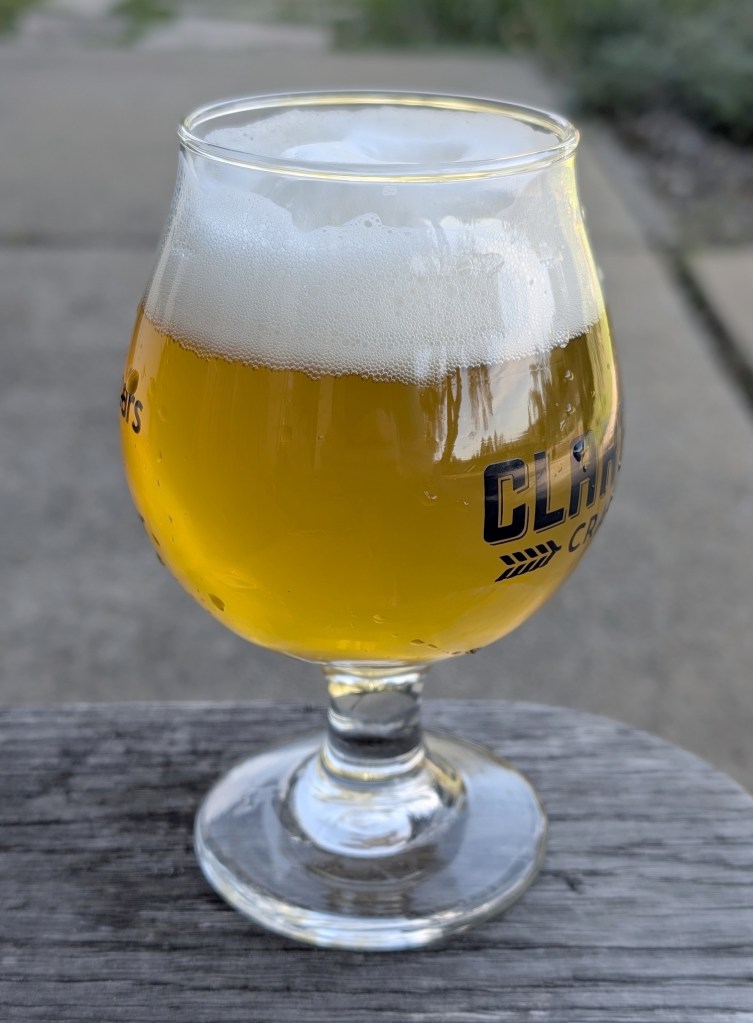
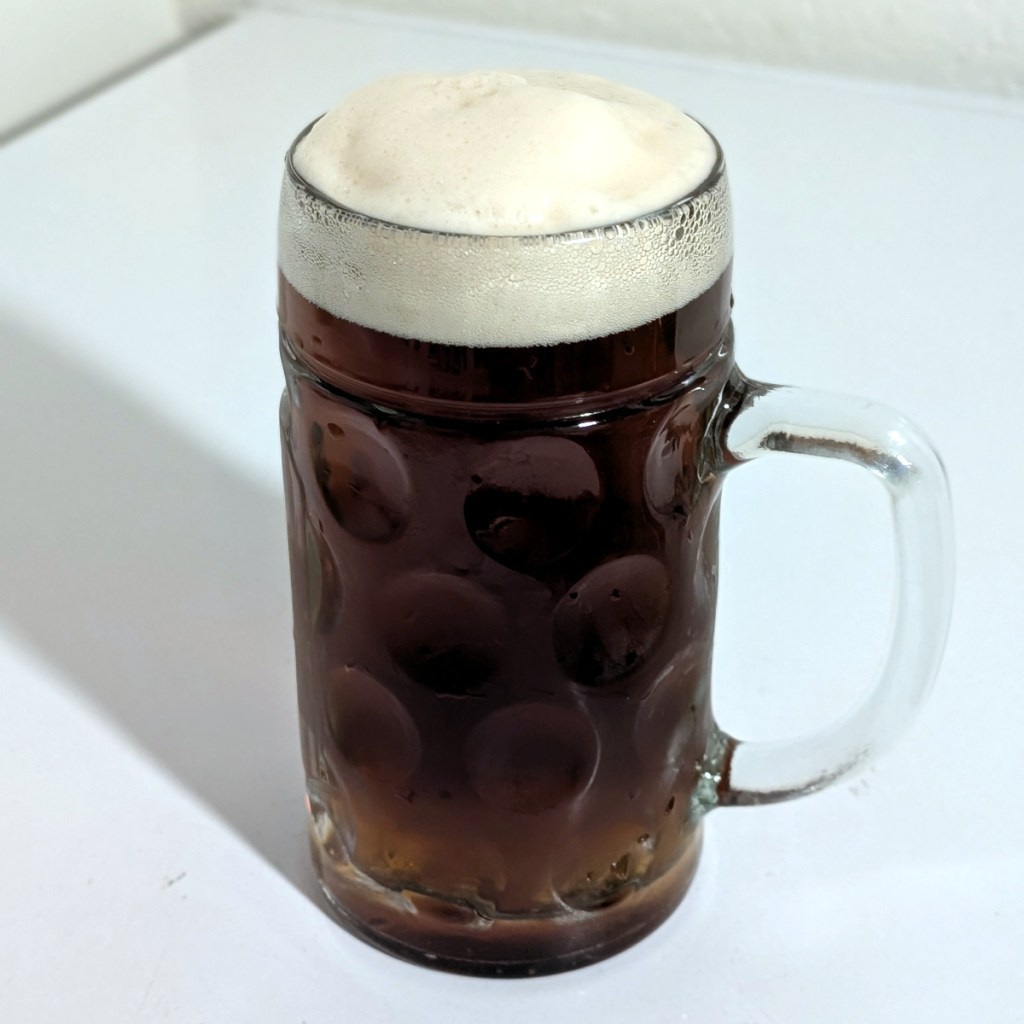
    • Brilliantly clear gold beer with a thick and persistent white head, which has a tall and creamy appearance when well poured.
  • Aroma
    • Medium-high malty aroma, medium low spicy/herbal hops as the beer warms.
  • Flavor
    • Bready maltiness at a medium level, against a bitter yet rounded hop character, with an herbal and slightly spicy quality.
  • Mouthfeel
    • Medium body, medium carbonation, smooth finish.
  • Would I Brew This Again?
    • This might be my best Bohemian pilsner yet. It is incredibly drinkable, and the balance between malt and hops is spot-on. Soft water definitely pays off, with the subtle bitterness that plays well against the malt.
  • Overall
    • 10/10

Clonal Common 2025

This is the third iteration of my “house” California common (steam beer) recipe, following previous brews in 2015 and 2021. The 2025 version is pretty much identical to the others, except I swapped Imperial Yeast’s Cablecar for White Labs’ equivalent`, based on what the homebrew shop had on-hand. Also, I decided to make a 3 gallon batch on this round; I enjoy the style, but it’s more of a 3-gallon enjoyment than a 5-gallon enjoyment these days. As mentioned previously, this fits into my “make more small batches” Brew Year’s Resolution, too.

Clonal Common 2025

  • 5.75 lb. 2-row brewer’s malt (Great Western)
  • 11 oz. Viking caramel 100 (crystal 40) malt
  • 6 oz. special roast malt (Briess)
  • 0.5 oz. Northern Brewer hop pellets (6.1% alpha), 60 minute boil
  • 0.5 oz. Northern Brewer hop pellets (6.1% alpha), 15 minute boil
  • 0.5 Whirlfloc tablet, 10 minute boil
  • 1 oz. Northern Brewer hop pellets (6.1% alpha), 60 minute boil
  • 1 pkg. Cablecar liquid yeast (Imperial Yeast #L05)

Target Parameters

  • 60 minute infusion mash at 150° with 168° mash-out, full volume mash
  • 1.050 o.g., 1.011 f.g., 5.1% abv, 36 IBU, 11 SRM
  • Claremont tap water, with Campden tablet

Procedure

  • I collected 4.75 gallons of Claremont tap water and added a Campden tablet, heating the water to 155° before I mashed in with the grains. I added 4 mL of 88% lactic acid to adjust pH and held the mash temperature at 150° for 60 minutes before raising the temperature to 168° for 10 minutes.
  • I removed the grains, collecting a total of 4.1 gallons at a gravity of 1.039, for 65% mash efficiency.
  • I brought the runnings to a boil, adding hops and finings per the recipe. After a 60 minute boil, I turned off the heat and chilled the wort to 73° with an immersion chiller.
  • Next, I transferred the wort to my small stainless steel fermenter and chilled it all to 64° in my fermentation chamber.
  • Finally, I pitched the yeast and held the fermenter at 64°
  • I brewed this beer on 17 May 2025; starting gravity was 1.050.
  • I pulled the fermenter to ambient (~68°) on 24 May 2025.
  • I kegged the beer on 1 June 2025, with 1 oz. of corn sugar added to the keg to encourage natural carbonation and reduce oxidation. I held the keg at ambient for a few weeks, before putting it into my conditioning chamber, force carbonating to final CO2 volume (~2.8 volumes) and lagering at 34°.
  • Final gravity was 1.012, which works out to 5.1% abv. I really hit my numbers on this one!

Tasting

  • Appearance
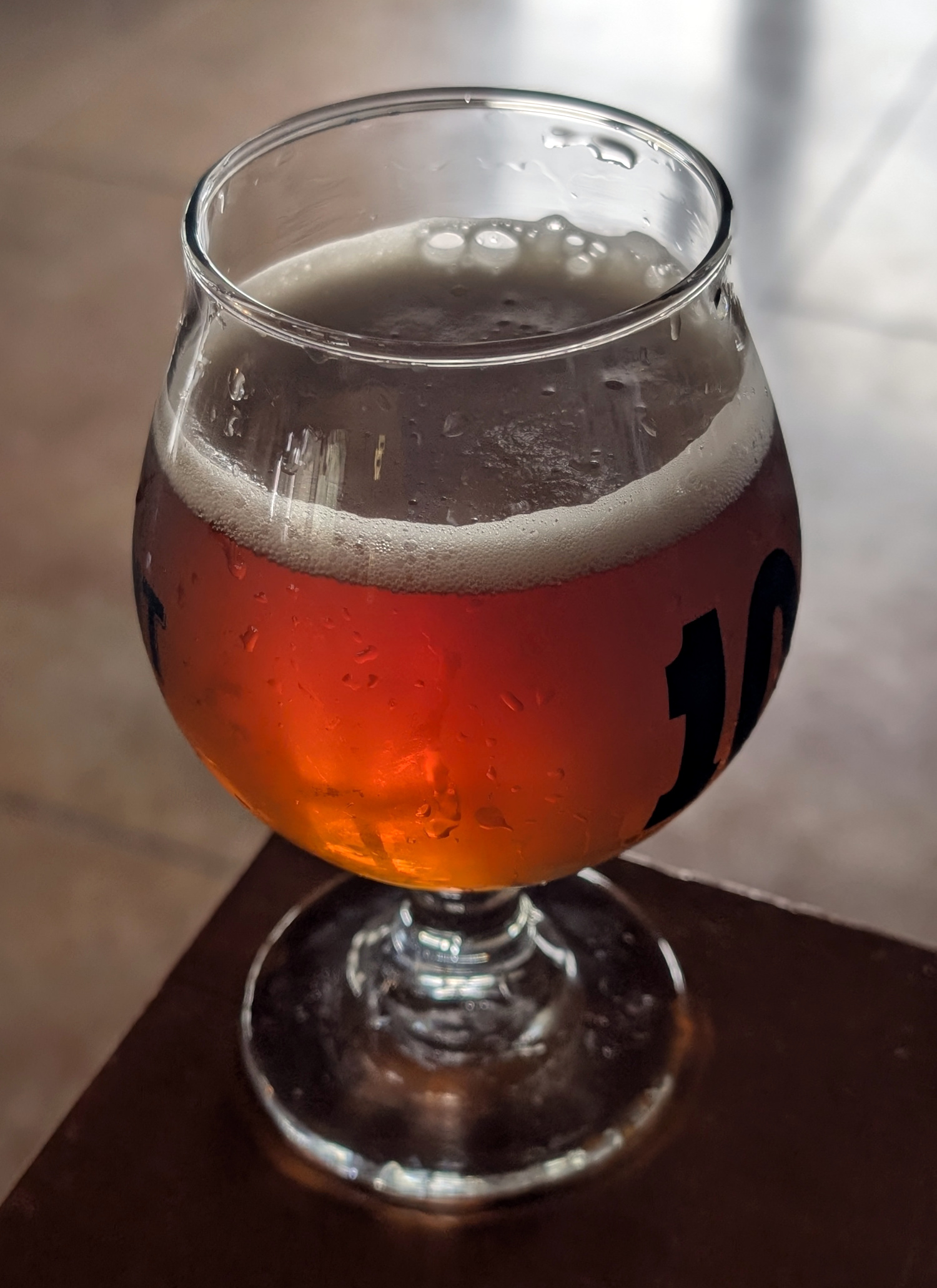
    • Light amber, clear beer with a slight chill haze. Pours with a creamy off-white head of good persistence.
  • Aroma
    • Light caramel malt aroma, light resiny and woody hop aroma, clean profile for yeast aroma.
  • Flavor
    • Medium-high bitterness with a resinous, woody profile, against a medium-low caramel and lightly grainy malt. Very low level of fruitness, almost imperceptible.
  • Mouthfeel
    • Medium carbonation, medium body, slightly dry finish accentuated by the hops.
  • Would I Brew This Again?
    • This is a solid recipe! I think it is a bit too bitter in this iteration, and I noted something similar in past batches. So, I think my next batch of this recipe will aim for around 30 IBU. The chill haze is annoying; I think some gelatin would be appropriate in the next batch.
  • Overall
    • 7.5/10

Nectaron Saison

I increasingly enjoy and appreciate saisons, for their easy drinkability and interesting flavors. A good saison can do a lot with simple ingredients! Many homebrew recipes out there are way higher alcohol than I want in five gallon quantities, though, often in the 6 or 7 or even 8 percent range. The first page of results in the AHA recipe archive averages 6.9% abv, and the smallest recipe clocked in at 5.8% abv; that’s just not to my personal tastes.

So, I was intrigued by an article in the Summer 2025 issue of Craft Beer & Brewing, which highlighted saisons and presented a clone recipe for a recent interpretation of the style. Upright Saison Elani originated at Upright Brewing in Portland, Oregon; it was light (4.8% abv), simple (only three grains in the grist), and featured the relatively new hop Elani. This sounded fantastic!

Because Elani is a somewhat new and niche hop, my local homebrew shop didn’t have it in stock, but they did suggest Nectaron as an alternative. I haven’t done anything with Nectaron previously, and the citrus/tropical/stone fruit profile seemed like a good substitute for Elani and a great match for a summer saison. I had some Belle Saison yeast in my stash, so opted for that instead of the Imperial B56 or Wyeast 3276 in the original recipe.

In the spirit of my Brew Year’s Resolution to increase my percentage of “small batch” beers, this was a 3 gallon batch. So far, three out of 13 batches this year (23 percent) have been in this smaller format; by comparison, I had three out of 23 batches in the 3 gallon size last year. I have one or two more 3 gallon batches planned for 2025, so I’m feeling on target to meet my goal. Beyond the metrics, it has been nice to have smaller batches for recipes in the “good beer but I don’t want 5 gallons” categories.

Nectaron Saison

  • 4 lb 2 oz. 2-row pale malt (Rahr)
  • 12 oz. white wheat malt (Briess)
  • 4 oz. Carapils malt (Briess)
  • 1.5 oz. rice hulls
  • 0.25 tsp. BrewTanB, added to mash
  • 0.5 oz. Hallertauer Mittelfrueh hop pellets (2.5% alpha), 75 minute boil
  • 1 oz. Nectacron hop pellets (10.1% alpha), 10 minute whirlpool
  • 1 pkg. Belle Saison yeast (Lallemand)

Target Parameters

  • 60 minute infusion mash, 147°, full volume mash
  • 1.044 o.g., 1.007 f.g., 4.8% abv, 21 IBU, 3 SRM
  • Water built from RO, to hit targets of 63 ppm Ca, 11 ppm Mg, 105 ppm SO4, 67 ppm Cl, RA=-52

Procedure

  • I built my water up from scratch, starting with 4.8 gallons of RO, to which I added 2 g epsom salt, 2 g gypsum, and 2.5 g calcium chloride.
  • Then, I heated the water to 151° before adding the grains and holding at 147° with recirculation for 60 minutes. I raised the mash temperature to 168° for 10 minutes, before removing the grains.
  • In total, I collected 4.5 gallons of runnings with a gravity of 1.035, for 81% mash efficiency.
  • I brought the runnings to a boil, boiling for 75 minutes and adding hops and finings per the recipe.
  • After the boil, I turned off the heat and chilled to 78° before transferring to the fermenter and pitching the yeast.
  • I brewed this beer on 7 June 2025. Starting gravity was 1.045.
  • I used an open fermentation, putting a bit of foil across the top instead of an airlock. I fermented at ambient temperature, in the mid-70s.
  • A good crown of krausen was on the beer within 24 hours of pitching, and the fermenter temperature was around 76°. The krausen had mostly fallen by 14 June 2025, and I put a blow-off tube on the beer on 16 June 2025.
  • I kegged the beer on 21 June 2025, with 1.8 oz. of corn sugar added. I allowed it to carbonate at room temperature.
  • The final gravity was 1.003, for 5.5% abv. This is drier than stated in the original recipe or predicted by software (1.007 at each), but I’m not surprised given the diastatic yeast strain and low mash temperature.

Tasting

  • Appearance
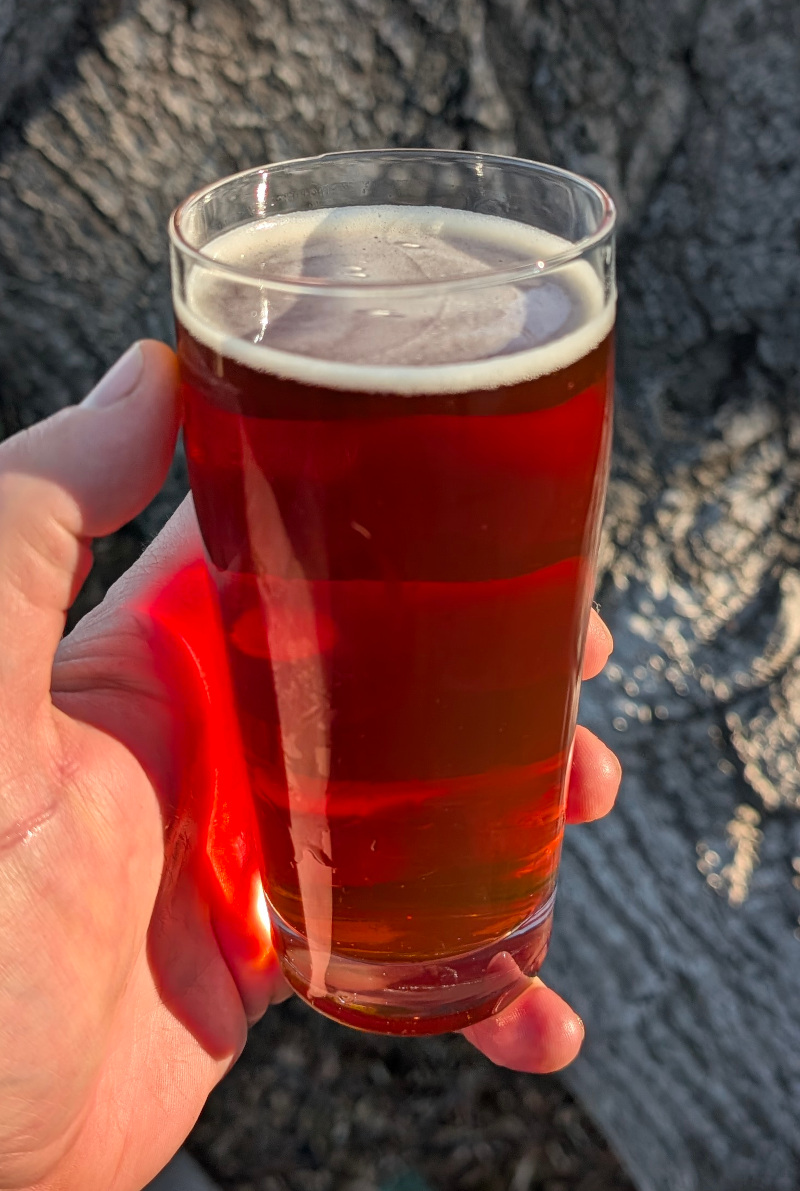
    • Pale yellow, slightly hazy beer; pours with a persistent and fluffy white head.
  • Aroma
    • Pineapple, lemony and slightly spicy aroma at a medium-low level; slight doughy character, too. Pineapple and peach come out as the beer warms, and a stronger peppery character.
  • Flavor
    • Medium low malt with slightly grainy quality; medium bitterness which is more apparent due to the dryness of the beer. Pineapple at a low level and peach appear as the beer warms.
  • Mouthfeel
    • Light body, high carbonation, dry finish.
  • Would I Brew This Again?
    • This is a highly drinkable, refreshing saison! I could see this becoming a house recipe, especially one against which to try out yeast variants. Because Belle Saison is no longer available in homebrew quantities, I suppose the issue is somewhat forced. I really like that strain’s subtlety here, though, and that it’s not a phenol bomb, even with ambient fermentation temperatures. I don’t know that Nectaron really stands out here; it might be better as a dry hop. That said, the hops show more character as the beer warms. It might be interesting to try a dry hop addition or a warmer fermentation, for more hop and yeast character–if that’s what I was looking for. As I have sampled the beer more recently, I’m happier and happier with the current level of things. So maybe it doesn’t need to become a dry hop bomb?
  • Overall
    • 8/10

Scaphohippus Pale Ale

My latest hoppy brew involves a pale ale recipe from the Maltose Falcons’ 50th anniversary recipe book. It’s a nice volume with some interesting recipes across a variety of styles. The book is by design geared for members of the club, with a decent bit of inside baseball and anecdotes and stuff, but for someone who likes field-tested recipes (versus rando ones posted online), it’s a worthy addition to a home library. I found some of the recipes to be a bit hard to follow in the formatting or presentation (e.g., lines of text with odd breakpoints that made it hard to discern what went where; limited procedural guidance for some batches–I can’t fault them too much, because it is a compendium of recipes from a whole bunch of people across decades of time), so I wouldn’t recommend it for the novice brewer, but most folks who are in the intermediate to advanced stages of brewing should be very capable of putting the recipes to work.

In any case, a recipe called “Halfcolt Pale Ale” caught my eye as a contemporary pale ale of reasonable ABV that incorporated ingredients I mostly had on hand. I made some modifications, both for the base malts and to use hop pellets versus the cryo products, and away I went on my interpretation. Two versions of the recipe were included in the book; one is a commercial scaled version and the other is a homebrew version. Beyond batch size, there are some significant differences between recipes. Most notably, the homebrew version lists bitterness at 76 IBU, whereas the commercial version is published at 50 IBU. I elected to dry the much more bitter homebrew version, partly because I wanted a robustly in-your-face beer. In the printed version of the recipe, the line alignment for hop additions made it ambiguous which were whirlpool and which were dry hops, so I made some informed guesses.

This recipe gets the name of “Scaphohippus Pale Ale,” because this extinct equine was about half the size of a regular horse (i.e., a “halfcolt”).

Recipe Name

  • 8.75 lb. 2-row brewer’s malt (Great Western)
  • 1 lb. Maris Otter pale malt (Thomas Fawcett)
  • 0.5 lb. Carafoam (Weyermann)
  • 6 oz. Victory malt (Briess)
  • 4 oz. Viking Caramel 100 malt (crystal 40)
  • 0.5 tsp. BrewTanB, added to mash
  • 0.25 oz. Simcoe hop pellets (12.4% alpha), first wort hop and 60 minute boil
  • 1 oz. Cascade hop pellets (7.3% alpha), 20 minute boil
  • 1 oz. Simcoe hop pellets (12.4% alpha), 20 minute boil
  • 0.5 tsp. BrewTanB, 10 minute boil
  • 1 Whirlfloc tablet, 5 minute boil
  • 1 oz. Simcoe hop pellets (12.4% alpha), 20 minute whirlpool
  • 0.5 oz. Amarillo hop pellets (10.4% alpha), 20 minute whirlpool
  • 1 pkg. California ale dry yeast (WLP001, White Labs)
  • 1 oz. Amarillo hop pellets (10.4% alpha), dry hop for 12 days
  • 1 oz. Cascade hop pellets (7.3% alpha), dry hop for 12 days
  • 1 oz. Simcoe hop pellets (12.4% alpha), dry hop for 12 days

Target Parameters

  • 60 minute infusion mash, 150°, full volume mash
  • 1.049 o.g., 1.009 f.g., 5.3% abv, 75 IBU, 6 SRM
  • Claremont tap water adjusted to hit a profile of 86 ppm Ca, 19 ppm Mg, 89 ppm Na, 192 ppm SO4, 110 ppm Cl, and 156 ppm bicarbonate.

Procedure

  • I collected 7.4 gallons of tap water, adding a Campden tablet, 3 g epsom salt, and 5 g gypsum to hit my water target parameters.
  • I heated the strike water to 156° and added the grains along with 5.7 mL of 88% lactic acid, holding the temperature at 150° for 60 minutes while recirculating. Then, I raised the temperature to 168° for 10 minutes before removing the grains.
  • In total, I collected 6.5 gallons of runnings with a gravity of 1.041, for 67% mash efficiency.
  • I brought the runnings to a boil, adding first wort hops, additional hops, and finings per the schedule.
  • After a 60 minute boil, I turned off the heat, added the whirlpool hops, and recirculated for 20 minutes before chilling the rest of the way.
  • I transferred the wort to the fermenter and chilled to 68° before pitching the yeast. Starting gravity was 1.051. I brewed this beer on 24 May 2025 and held it at 68° for fermentation.
  • I added the dry hops on 1 June 2025 and cold crashed the beer on 4 June 2025.
  • I kegged the beer on 13 June 2025, using a closed transfer followed by forced carbonation. Final gravity was 1.009, for 5.6% abv.
  • At my first taste of the beer on 25 June 2025, it was very clear, nearly brilliant, and absolutely delicious.

Tasting

  • Appearance
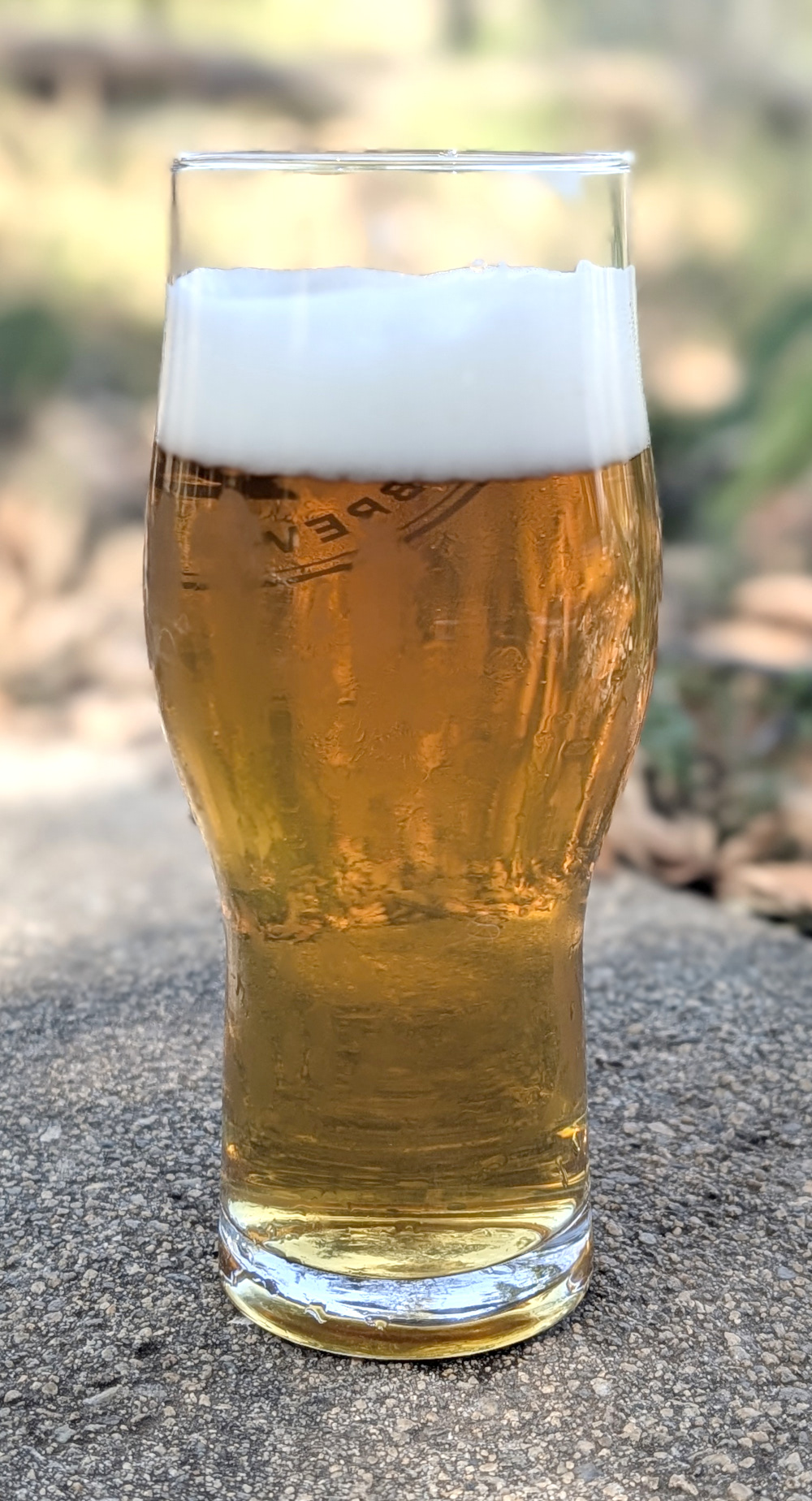
    • Very clear, gold beer, which pours with a dense and persistent white head. It’s absolutely gorgeous in the glass!
  • Aroma
    • Medium level of citrus and a touch of pine in the hop aroma. Not much malt or yeast comes through; perhaps a hint of maltiness as it warms up?
  • Flavor
    • High level of resiny bitterness, with orange citrus qualities and a slight grapefruit pith edge. There is a moderate level of a clean, malty flavor, with hints of caramel and biscuit.
  • Mouthfeel
    • Medium body, medium level of carbonation, dry finish.
  • Would I Brew This Again?
    • This is a really enjoyable hoppy ale! It tilts more towards IPA (and a traditional west coast version at that) than pale ale due to the aggressive bittering, and so stylistic grounds were the main reason I didn’t give it a 9 or 10. The hop flavor and aroma are great; I think I’ve got my hop handling and kegging techniques pretty dialed in now to maximize flavor and freshness over the long haul. If I were to brew this again, I’d notch back the bitterness for future brews down to 50 or 60 IBU, but everything else hits well.
  • Overall
    • 7/10

Steve’s Cali-Belgique IPA Homage

Homebrew is best enjoyed with friends and family, whether it’s a brew day or a warm summer afternoon sharing a new recipe out on the patio. The social aspect is a big part of my enjoyment of the hobby, as I make new friends and welcome old friends into the world of brewing.

Steve and I met through work, and we had our first brew session together in 2009. He was quickly hooked, and soon started his own brewing adventures. Like many brewers, Steve began with extract and transitioned into brew-in-a-bag before too long. He loved experimenting (an early attempt at smoked beer involved some Liquid Smoke added at bottling; do not try this at home, because even Steve grudgingly admitted that it wasn’t very good), and he also loved riffing off of commercial recipes. We would often bounce ideas off of each other, do side-by-side tastings, and give feedback for each others’ beers. We also had semi-regular “hostage swaps,” trading a growler of his homebrew for a growler of mine. Steve and I had many adventures in beer over the years, with brew days together, the San Diego AHA meeting in 2015, carpooling to club meetings, pouring our beers at festivals, and more. He was a creative brewer in ways that I am not–I like to carefully plan each recipe, and Steve was more the type to say, “hey, I wonder what happens if I add sage to this,” or “can I get an approximation of this style with a random yeast?” Steve’s sudden and untimely passing earlier this year has been hard–I lost a close friend, a role model, and a good brewing buddy.

In honor and memory of Steve, I wanted to brew one of “his” beers. A few recipes stand out for me – a sage saison, a Mirror Pond Pale Ale clone, and most all his Cali-Belgique recipe. Cali-Belgique IPA was one of Steve’s early brewing obsessions, attempting to clone one of Stone Brewing’s beers. No longer commercially available, Cali-Belgique was a modification of the flagship Stone IPA, fermented with Belgian ale yeast. Steve enjoyed this beer, and wanted to make his own version; I sampled a few early brews, as he got closer and closer to his vision for the beer. Along the way, it turned into an excellent recipe and one that was truly Steve’s own, not just a clone. I’ll forever associate this beer with him!

Crafting Steve’s Cali-Belgique

Unfortunately, I didn’t have Steve’s Cali-Belgique IPA recipe (I had never gotten around to brewing it myself, because I could readily get the beer from Steve), but I remembered that Steve pretty regularly phoned his recipes in to our local homebrew shop. So, I reached out to Charles at Pacific Brewing Supplies, and I was in luck! Charles happened to have the grain bill and hop list, which set us well on the way to reconstructing this recipe.

The latest version of Steve’s Cali-Belgique had 50% 2-row, 33.3% Belgian Pilsner malt, 8.3% Carapils, and 8.3% Dark Munich. Steve double-milled his grains, and Charles thinks Steve was hitting around 75% efficiency in his system. He started as an extract brewer, spent much of his brewing career using brew-in-a-bag, and spent the last part with an Anvil Foundry all-in-one system. Based on all of this, target gravity was probably around 1.064 or 1.065. For my own version, I increased the 2-row from 6 lb to 8 lb to improve the gravity on my system and make it match Steve’s system better. A future brew on my system should increase percentage on all grains. I assumed a mash temperature of around 152°, just for simplicity.

The latest version of Steve’s recipe included 1 oz. of Chinook (13% alpha), 2 oz. of Columbus (15% alpha), and 1 oz. of Centennial (10% alpha). I had to guess at usage, but assumed Chinook as the main bittering hop and then a combination of late hop and dry hop additions for the rest. Steve seemed to always be adjusting the recipe, so it’s safe to play around in the hopping approach, because that’s what he would do. Following Steve’s preferences and the original Stone IPA recipes, it was probably hitting around 65 IBU.

Yeast varied over the years, but Steve’s most recent batches used Abbaye or Monk dry yeast. For fermentation temperature, I remember the beer having the nice spicy yeast notes and phenols that come with a warmer temperature for these Belgian strains. So, I decided to ferment around 72°.

With all of this information gathered, it was time to brew and sample Steve’s Cali-Belgique. Cheers to you, Steve, and thanks for the many happy hours of stargazing, conversation, philosophy, and beer tasting.

Steve’s Cali-Belgique IPA Homage

  • 8 lb. 2-row malt (Great Western)
  • 4 lb. pilsen malt (Dingemans)
  • 1 lb. dextrin malt (Viking)
  • 1 lb. Munich dark malt (Viking)
  • 0.5 tsp. BrewTanB, added to mash
  • 1.15 oz. Chinook hop pellets (12.3% alpha), 60 minute boil
  • 0.75 oz. Centennial hop pellets (8.1% alpha), 10 minute boil
  • 0.75 oz. Columbus hop pellets (15.6% alpha), 10 minute boil
  • 0.25 tsp. BrewTanB, 10 minute boil
  • 1 Whirlfloc tablet, 5 minute boil
  • 1 pkg. Abbaye Belgian ale yeast (Lallemand)
  • 1 pkg. Monk ale yeast (CellarScience DY106B)
  • 1.25 oz. Columbus hop pellets (15.6% alpha), dry hop in fermenter
  • 0.25 oz. Centennial hop pellets (8.1% alpha), dry hop in fermenter

Target Parameters

  • 60 minute infusion mash, 152°, full volume mash
  • 1.063 o.g., 1.016 f.g., 6.2% abv, 68 IBU, 6 SRM
  • Claremont water adjusted with lactic acid and minerals to hit 76 ppm Ca, 22 ppm Mg, 89 ppm Na, 182 ppm SO4, 110 ppm Cl, 20 ppm bicarbonate

Procedure

  • Starting with 7.6 galllons of water, I added 6.33 mL of 88% lactic acid, to drop out the carbonates. Then, I added 4 g of epsom salt and 4 g of gypsum to kick up the sulfates.
  • I heated the strike water to 159°, before adding the grains and 25.7 mL of 10% phosphoric acid, holding the mash at 152° (with recirculation) for 60 minutes.
  • At the end of the mash, I pulled the grains. In total, I had 6.75 gallons at a gravity of 1.052, for 68% mash efficiency.
  • I brought the kettle to a boil and boiled for 60 minutes, adding hops and finings per the recipe. Then, I turned off the heat and chilled the wort to 72° before transferring to the fermenter and pitching the yeast.
  • Starting gravity was 1.060. I brewed the beer on 30 March 2025, and fermented at ambient (~65°).
  • When I checked the fermenter on 1 April 2025, there was no activity in the airlock, so I opened the fermenter and confirmed no activity. I had a pack of Abbaye Ale yeast on-hand, so pitched that. Krausen was visible by the next day. I put a heat pad on the beer, but it got a bit hot; around 80° by 3 April. Oops! I let it ride at ambient at that point.
  • I kegged the beer on 14 May 2025, adding the dry hops in a bag. I removed the hops on 18 May 2025.
  • Final gravity was 1.015, for 6.0% abv.

Tasting

  • Appearance
    • A very clear, gold beer, which has a thick and persistent white head
  • Aroma
    • I get a strong sensation of pineapple in the aroma as the beer warms up; some moderate alcohol notes, too. Yeast character dominates, and I don’t get much for hops or malt.
  • Flavor
    • This is a very bitter beer with a resinous edge to the hops. It has a medium-low maltiness, with a light caramel quality. There is a touch of clove flavor as the beer warms. The bitterness lingers on the tongue.
  • Mouthfeel
    • Medium body, medium carbonation, slightly dry finish.
  • Would I Brew This Again?
    • Yes! This beer goes down surprisingly smoothly, which I didn’t necessarily expect. I would like more dry hop aroma, and probably should just let the hops float free in the fermenter rather than bagging them. For a variant, I might try Eclipse and El Dorado, while keeping the same yeast. Mosaic or Galaxy could also work. The beer overall is quite good – the low hop aroma / low flavor complexity is the main reason that I gave it a lower score (no fault of the recipe – just my handling of the hops). That said, I don’t really remember Steve’s version of this having much for hop aroma. So, I might adjust the beer for my own preferences, but as something that captures his beer as I remember it, it’s pretty close!
  • Overall
    • 6.5/10
Steve helping with a festbier tasting, stacking my homebrew against commercial examples. I always enjoyed beer tasting with him…”I brewed up this new recipe…I’d love to get your thoughts on it!”