Snowdrop Kölsch 2026

This is one of my most frequently brewed recipes, now in its fifth iteration. I love the kölsch style, especially my “traditional” version that eschews wheat and leans in to an all-barley grain bill. The 2026 brew represents a changing of the guard, with the Köln yeast no longer available from Lallemand, and the Edelweiss hop blend now into retirement. I truly love this recipe, and will have to reformulate a little bit for the next round. I don’t care for K-97 in this style, so I’ll probably be back to liquid yeast in my German ales.

The brew and fermentations were delightfully uneventful for this round. My only minor hiccup was realizing that my draft lines were badly in need of a clean, which greatly improved the taste on the final product. Lesson learned!

Recipe Name

  • 9.5 lb. Synergy Select Pilsen Malt (Briess)
  • 0.5 lb. Barke Munich malt
  • 0.5 tsp. BrewTanB, added to mash
  • 1.1 oz. Edelweiss hop blend pellets (5.8% alpha), 60 minute boil
  • 0.5 tsp. BrewTanB, 10 minute boil
  • 1 Whirlfloc tablet, 5 minute boil
  • 2 pkg. Köln Kölsch style ale yeast (Lallemand)
  • 0.9 oz. Edelweiss hop pellets (5.8% alpha), dry hop in primary

Target Parameters

  • 60 minute infusion mash, 152°, full volume mash
  • 1.046 o.g., 1.010 f.g., 4.7% abv, 24 IBU, 4 SRM
  • Water built from RO, to hit 50 ppm Ca, 5 ppm Mg, 6 ppm Na, 54 ppm SO4, 72 ppm Cl
  • 5.25 gallon batch

Procedure

  • I built my water from 7.25 gallons of distilled water, with 3.6 g of CaCl, 1.7 g gypsum, 1.4 g epsom salt, and 0.4 g kosher salt, to hit the estimated water parameters.
  • I heated the strike water to 157°, added the grains along with 1 tbs. 10% phosrphoric acid as well as the BrewTanB, and then held at 152° for 60 minutes with recirculation.

Tasting

  • Appearance
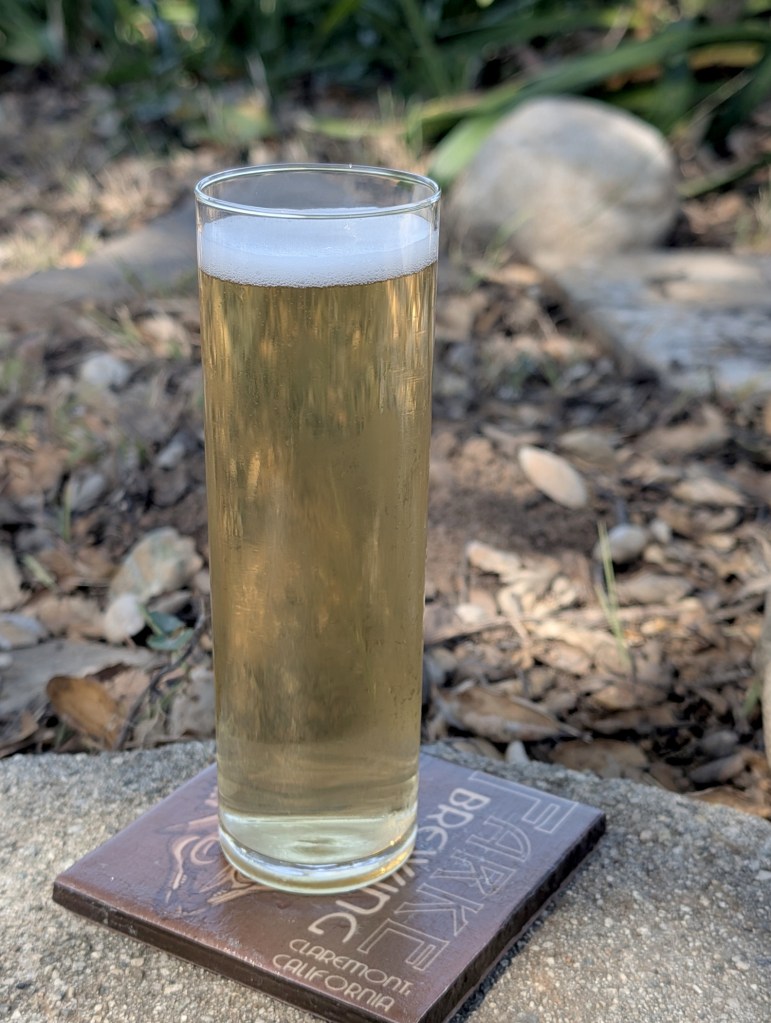
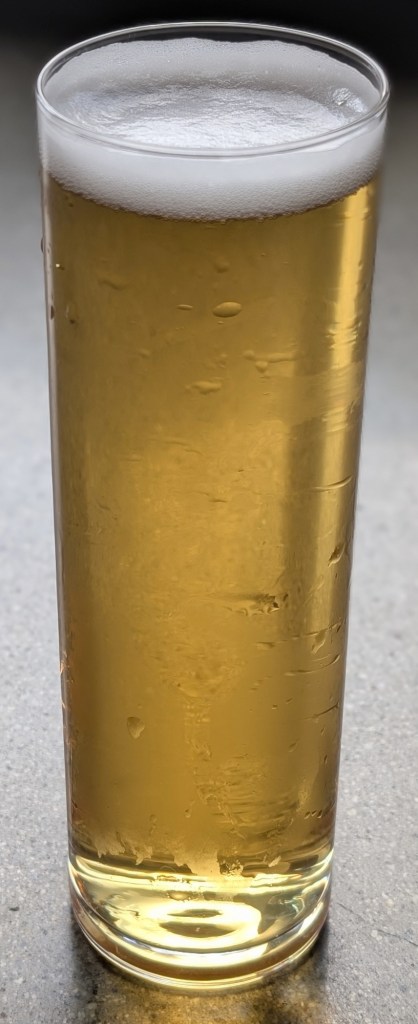
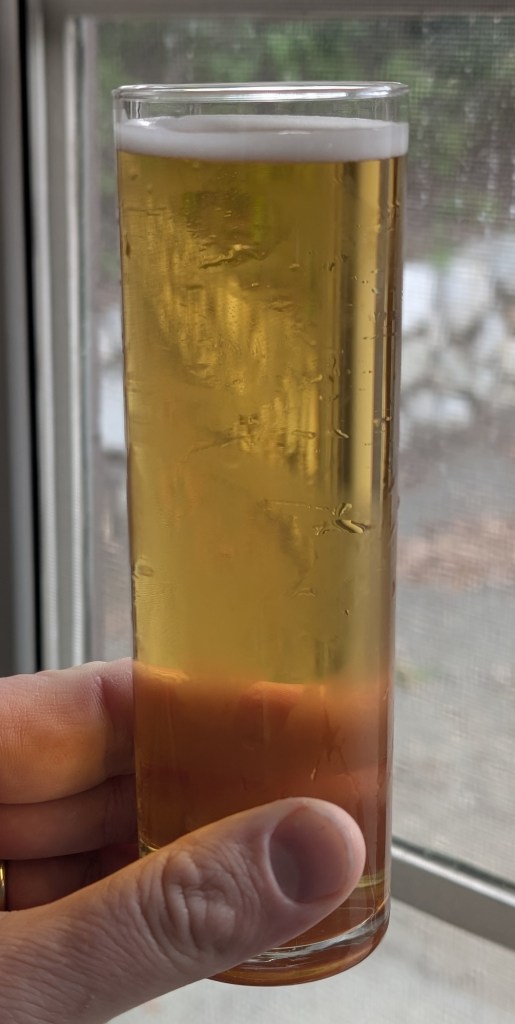
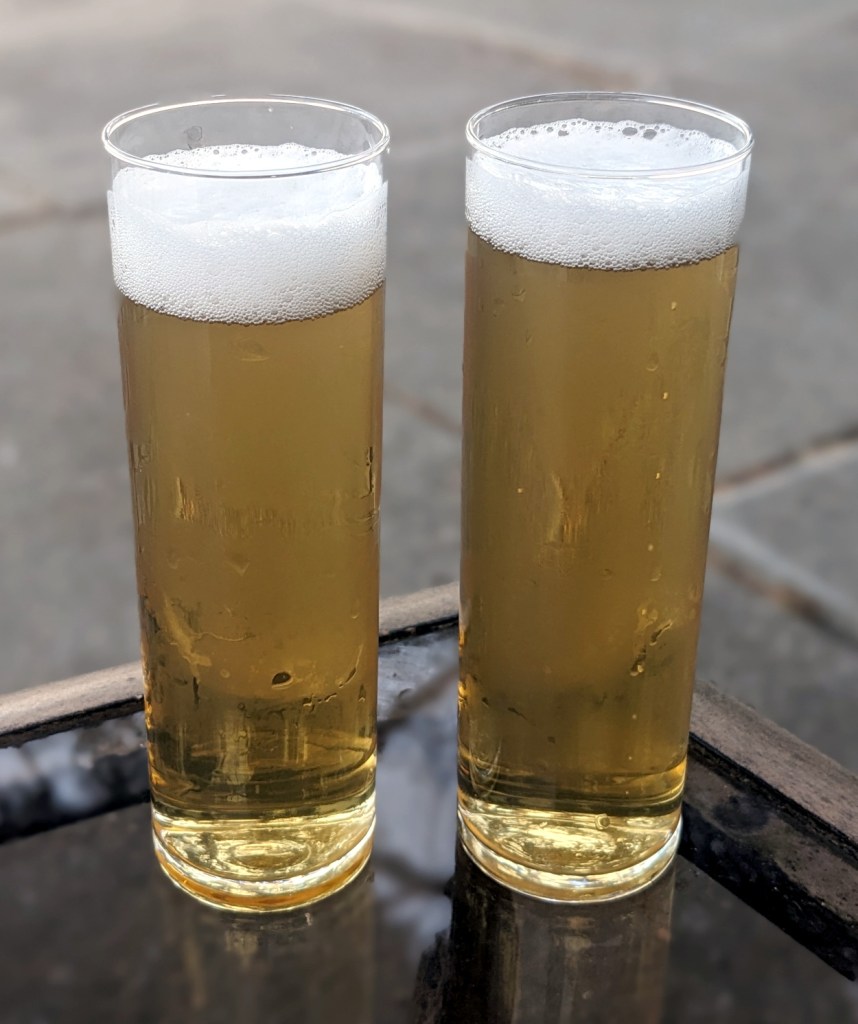
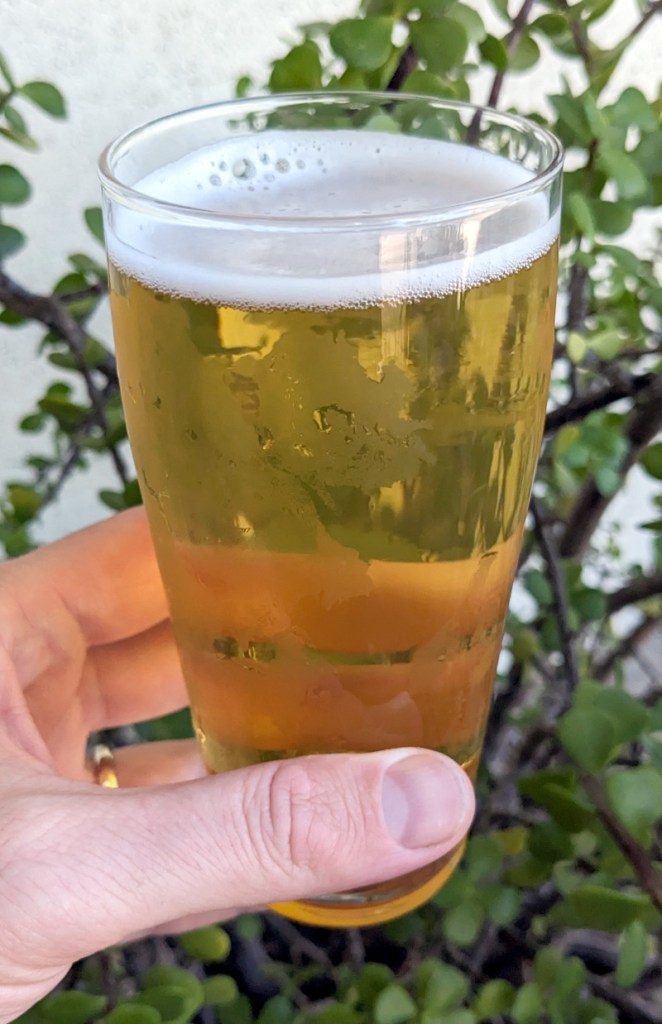
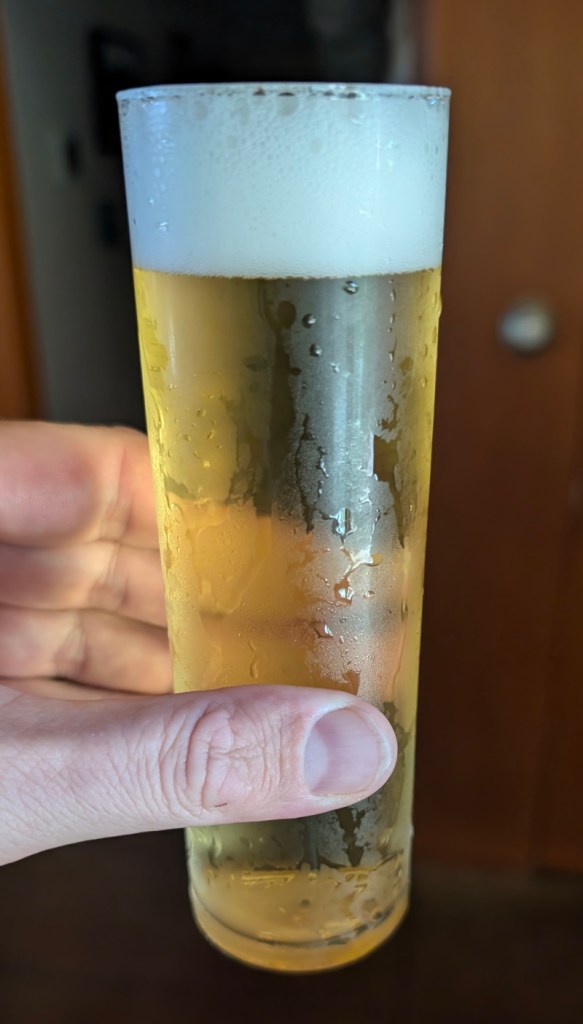
    • Straw yellow color, brilliantly clear, with a low and persistent white head. It took awhile to clarify, but WOW! This is such a pretty beer.
  • Aroma
    • Low level of fruity aroma, with a ripe apple and pear character. Very low level of sweet malt aroma.
  • Flavor
    • Medium-low level of grainy maltiness, medium bitterness, medium low fruity, pear-like yeast flavor.
  • Mouthfeel
    • Medium body, moderate level of carbonation, dry finish.
  • Would I Brew This Again?
    • This is a perfect recipe! The dry hop doesn’t come through, but that’s OK. The yeast character is quite nice, as is the malt bill. I’ll need to adjust yeast and hops for the next batch, but the overall concept is excellent for a kölsch. I could probably notch the bitterness back a little; I go back and forth on whether or not it’s too much or perfect.
  • Overall
    • 10/10

Snowdrop Kölsch 2025

This kölsch recipe is one of my favorites, and I have brewed it annually since 2023. The recipe is pretty dialed in, except for the fact that on this brew I misread it and added a half pound of Munich II when assembling my grain bill. Oops! I anticipated it would up the maltiness a bit in a way that’s outside the norm for this beer (and style), which was indeed the case.

My supply of Edelweiss hop blend (business closed) and Köln Kölsch-style yeast (discontinued by manufacturer) is dwindling. I need to start thinking about my next iteration of the recipe. The hops are manageable, but it still is a bummer that I don’t yet know of a good dry yeast alternative! K-97 takes waaaay too long to clear and has a vinous character I don’t quite care for in some cases.

Snowdrop Kölsch

  • 9.5 lb. pilsner malt (Rahr)
  • 0.5 lb. Munich I malt (Weyermann)
  • 0.5 lb. Munich II malt (Weyermann)
  • 0.5 tsp. BrewTanB (mash)
  • 1 oz. Edelweiss hop pellets (5.8% alpha), 45 minute boil
  • 0.5 tsp. BrewTanB, 10 minute boil
  • 1 Whirlfloc tablet, 5 minute boil
  • 2 oz. Edelweiss hop pellets (5.8% alpha), 5 minute boil
  • 1 pkg. Köln Kölsch-style yeast (Lallemand)
  • 1 oz. Biofine Clear (added to keg)

Target Parameters

  • 1.048 s.g., 1.011 f.g., 25 IBU, 4 SRM, 4.9% abv
  • Full volume mash, 60 minute mash at 152°, 10 minute mash-out at 168°
  • RO water with added minerals to hit target of 50 ppm Ca, 5 ppm Mg, 6 ppm Na, 54 ppm SO4, 72 ppm Cl, 0 ppm HCO3, -38 ppm RA

Procedure

  • Starting with 7.25 gallons of RO water, I added 0.4 g of sea salt, 1.4 g of epsom salt, 1.7 g of gypsum, and 3.6 g of calcium chloride, in order to reach my target water parameters.
  • I heated the strike water to 158° before adding the BrewTanB, grains, and 1 tbs. of 10% phosphoric acid (for pH adjustment).
  • I held the mash at 152° (with recirculation) for 60 minutes, and then heated the mash to 168° for a 10 minute mash-out, before pulling the grains.
  • In total, I collected 6.6 gallons of runnings with a gravity of 1.041, for 68% mash efficiency.
  • I brought the runnings to a boil, adding hops and finings per the recipe. After 60 minutes, I chilled the wort to 66° and transferred to the fermenter. I pitched the yeast during the transfer.
  • During fermentation, I held the temperature at 62°.
  • I brewed this beer on 17 February 2025. Starting gravity was 1.049.
  • I kegged the beer on 9 March 2025, using a closed transfer. It was pretty hazy at this point in the sample glass and will likely take awhile to drop clear.
  • Final gravity was 1.011, for 5.0% abv.
  • I added BioFine Clear on 24 March 2025, and put the beer on tap on 26 March 2025. It was brilliantly clear by this point! I had overshot the carbonation a bit, so it took some time to work things down. I used the pressure release valve on the keg and also served without the gas line connected, which over the course of a few days got it closer to “pouring without a massive dose of foam.”

Tasting

  • Appearance
    • Pours with a low yet very persistent white head. The beer itself is brilliantly clear and light yellow. This is probably the best looking kölsch I have ever made! The Biofine Clear definitely came through.
  • Aroma
    • Lightly fruity yeast character with a red apple quality. Low hop and malt character; slightly floral hops.
  • Flavor
    • Moderate level of maltiness and medium bitterness. Slightly fruity yeast character. The malt flavor is not quite as grainy as I personally would like in a kölsch–it’s more of a down-the-middle malty quality–but still nice. It’s a very drinkable beer!
  • Mouthfeel
    • Medium-light body, medium-high carbonation, smooth finish, crisp.
  • Would I Brew This Again?
    • This is a great recipe! The malt flavor is not quite as delicate as I would prefer (hence the 9/10 instead of 10/10), but that’s my fault for messing up the grist. I overcarbonated the beer just a little too, but that will amp down over time.
  • Overall
    • 9/10

Snowdrop Kölsch 2024

Kölsch is a simple style in so many ways, but a hard one to do well. After a few iterations, I perfected a recipe that works well for me. I first brewed Snowdrop Kölsch in 2023, and it’s a definite winner. I made a batch earlier this year, but it unfortunately (and frustratingly!) got infected, so I did a deep cleaning in the fermenters for my second attempt. This one succeeded!

Other than slight changes in malt brand (Rahr pilsner instead of Viking) and building up my water from scratch, this is identical to the 2023 edition of the recipe. There is no sense in messing with perfection! Sadly, Lallemand has discontinued their German ale yeast, so I will have to search for a different strain in future years. This is a shame, because I quite like it! I suppose it’s back to liquid yeast whenever my dry yeast supply runs out.

Snowdrop Kölsch

  • 9.5 lb. pilsner malt (Rahr)
  • 0.5 lb. Munich I malt (Weyermann)
  • 0.5 tsp. BrewTanB (mash)
  • 1 oz. Edelweiss hop pellets (5.8% alpha), 45 minute boil
  • 0.5 tsp. BrewTanB, 10 minute boil
  • 1 Whirlfloc tablet, 5 minute boil
  • 1 oz. Edelweiss hop pellets (5.8% alpha), 5 minute boil
  • 1 pkg. Köln Kölsch-style yeast (Lallemand)

Target Parameters

  • 1.046 s.g., 1.010 f.g., 24 IBU, 4 SRM, 4.6% abv
  • Full volume mash, 60 minute mash at 152°, 10 minute mash-out at 168°
  • RO water with added minerals to hit target of 50 ppm Ca, 6 ppm Mg, 6 ppm Na, 54 ppm SO4, 72 ppm Cl, 0 ppm HCO3, -39 ppm RA

Procedure

  • Starting with 7.25 gallons of RO water, I added 0.4 g of sea salt, 1.4 g of epsom salt, 1.7 g of gypsum, and 3.6 g of calcium chloride, in order to reach my target water parameters. I heated the water to 157° before adding the grains and holding the mash at 152° (with recirculation) for 60 minutes. Next, I heated the mash to 168° for a 10 minute mash-out, before pulling the grains.
  • In total, I collected 6.6 gallons of runnings with a gravity of 1.041, for 73% mash efficiency.
  • I brought the runnings to a boil, adding hops and finings per the recipe. After 60 minutes, I chilled the wort to 78°, let it settle for a bit, and transferred to the fermenter. I chilled the wort to 60° in the fermentation chamber before pitching the yeast, and fermented at 64°.
  • I brewed this beer on 23 June 2024. Starting gravity was 1.048.
  • I kegged the beer on 12 July 2024, using a closed transfer.
  • Final gravity was 1.009, for 5.2% abv.

Tasting

  • Appearance
    • Exceptionally clear, light yellow beer with somewhat persistent white head. It is pretty in the glass!
  • Aroma
    • Grainy sweet aroma, light fruity character. Very subtle floral hop note.
  • Flavor
    • Light malty character, medium-low bitterness. Slight fruitness, of the pear/apple variety (but not strictly apple; it has more depth than that!). Slight floral hop quality.
  • Mouthfeel
    • Medium-light body, moderate carbonation, smooth and pleasant finish.
  • Would I Brew This Again?
    • This is a very good kölsch! I don’t know that it’s my best–the hop aroma is a little more subdued than last year’s version–but this one still hits the notes!
  • Overall
    • 9/10

Snowdrop Kölsch

Kölsch is a great style for mid- to late spring, and I’ve been chasing the perfect batch these past few years. I’ve dialed it in pretty closely, between Kölsch Simplicitas and Kölsch Minimus, two different takes on kölsch recipes that ended up quite tasty.

For 2023, I decided to split the difference between the Simplicitas and Minimus recipes–the grain bill is from Kölsch Minimus, and the hops+yeast are from Kölsch Simplicitas. I liked the blend of Munich and pilsner malt, for its interesting but not overpowering malt character. My previous iteration using the Edelweiss hop blend was also nice, and I had been trying to use them up anyhow. Finally, I was pretty impressed by the Lallemand Köln Kölsch-style dry yeast, and gave it another go on this batch.

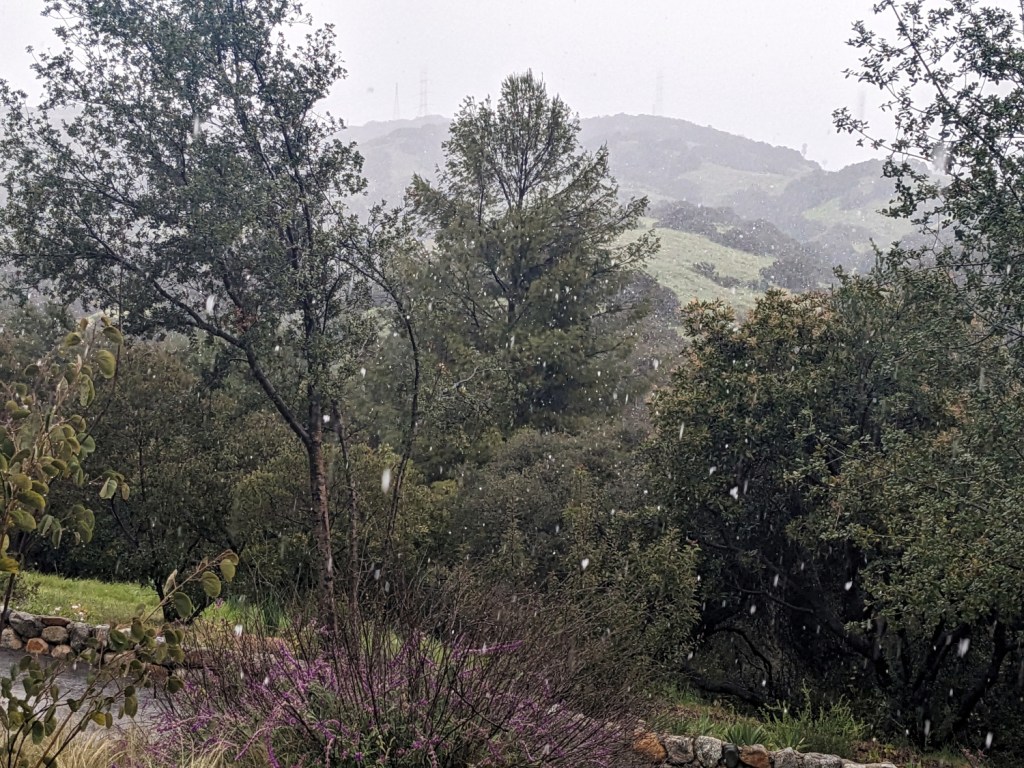
The name for my batch–Snowdrop Kölsch–derives from the rare snowfall that hit our part of southern California on brew day.

snow falling with background of green trees
Snow falling in SoCal on brew day

Snowdrop Kölsch

  • 9.5 lb. Pilsner Zero malt (Viking)
  • 0.5 lb. Munich I malt (Weyermann)
  • 1.38 oz. Edelweiss hop blend (5.1% alpha), 30 minute boil
  • 0.25 tsp. BruTanB, 10 minute boil
  • 1 Whirlfloc tablet, 5 minute boil
  • 1 oz. Edelweiss hop blend (5.1% alpha), 5 minute boil
  • 1 pkg. Köln Kölsch-Style Ale Yeast (Lallemand)

Target Parameters

  • 1.046 s.g., 1.010 f.g., 24 IBU, 4 SRM, 4.7% abv
  • Full volume mash, 60 minute mash at 152°, 10 minute mash-out at 168°
  • Claremont tap water, adjusted with 88% lactic acid to hit target of 50 ppm Ca, 6 ppm Mg, 84 ppm Na, 30 ppm SO4, 120 ppm Cl, 15 ppm HCO3, -73 ppm RA

Procedure

  • I collected 7 gallons of water and added 5.85 mL of 88% lactic acid in order to knock out the carbonates. Not further pH adjustments were required, by my calculations.
  • I heated the water to 158° and added the grains, to hit a mash temperature of 152°. I held it here for 60 minutes with recirculation, before elevating the temperature to 168° for a 10 minute mash-out. Finally, I pulled the grain basket.
  • In total, I collected 6.25 gallons of runnings with a gravity of 1.042, for 70% mash efficiency.
  • I brought the runnings to a boil, adding hops and finings per the recipe. After 60 minutes, I turned off the heat and chilled the wort.
  • Upon transferring the wort to the fermenter, I chilled it additionally in my fermentation chamber down to 64° before pitching the yeast.
  • I brewed the beer on 25 February 2023. It had a starting gravity of 1.050.
  • I fermented the beer at 64° for three weeks, and then pulled it to ambient, where it ranged between 64° and 68°.
  • I kegged the beer on 26 March 2023. It had a wonderful aroma of fresh-mown hay and floral hops in my sample at the time. Final gravity was 1.010, which works out to 5.2% abv.

Tasting

  • Appearance
    • Nearly brilliantly clear, straw-colored beer, with a white head that settles to a ring around the glass. Very pretty!
  • Aroma
    • Lightly fruity yeast character–very delicate. It has a slight floral hop and a low, malty-sweet character.
  • Flavor
    • Low bitterness, with a fruity, pear-like yeast character evident. Hops have a slight floral quality, as I have noticed on previous batches with Edelweiss hop blend. This exemplifies the delicate qualities of a fresh kölsch, and is simply amazing.
  • Mouthfeel
    • Medium-light body, moderate carbonation, smooth and soft finish.
  • Would I Brew This Again?
    • I would make this recipe again in an instant! This is, at long last, my absolutely perfect kölsch. It exemplifies the very best, delicate aspects of the style, and is incredibly drinkable. I don’t know that I”ll ever modify the recipe.
  • Overall
  • 10/10

Kölsch Simplicitas

I try to do a kölsch-style ale roughly once a year, in part because I like the style, in part because it’s hard to find (in my opinion) truly great commercial examples, and in part because it’s a fun challenge to brew such a fussy beer. I’ve made a few iterations over the years, heading ever simpler with each batch. 2020’s version (Kölsch Minimus) was really elegant in its simplicity, so I modified it slightly for ingredients on-hand and to try a slight variation. Whereas last year’s batch had pilsner and Munich malt, this year I used pilsner and a touch of Carahell. I used the Edelweiss hop blend (instead of Sterling), and brought in the Lallemand Köln Kölsch-style ale yeast instead of K97.

clear, yellow beer with white head, poured into a clear glass, held in a hand

Kölsch Simplicitas

  • 9.25 lb. Viking pilsner malt
  • 0.5 lb. Carahell malt (Weyermann)
  • 1 oz. Edelweiss hop blend (5.1% alpha), 60 minute boil
  • 0.5 oz. Edelweiss hop blend (5.1% alpha), 10 minute boil
  • 0.25 tsp. BruTanB, 10 minute boil
  • 1 Whirlfloc tablet, 5 minute boil
  • 0.5 oz. Edelweiss hop blend (5.1% alpha), 5 minute boil
  • 1 pkg. Köln Kölsch Style ale yeast (Lallemand)

Target Paremeters

  • 1.047 s.g., 1.009 f.g., 5.0% abv, 4 SRM, 24 IBU
  • Full volume mash, 90 minute mash at 150°, 10 minute mash-out at 168°
  • Claremont tap water, adjusted with 88% lactic acid to hit target of 28 ppm Ca, 6 ppm Mg, 91 ppm Na, 50 ppm SO4, 85 ppm Cl, 15 ppm HCO3, -11 ppm RA

Procedure

  • I adjusted the tap water with 5.4 mL of 88% lactic acid, to neutralize the carbonates. Then, I heated to 156° and mashed in, to hit a target of 150°. I added 2 mL of 88% lactic acid to adjust mash pH. I held the mash at 150° for 90 minutes while recirculating, and then raised the mash to 168° for 10 minutes, before removing the grains.
  • In total, I had 6.4 gallons of runnings with a gravity of 1.041, for 73% mash efficiency.
  • I brought the runnings to a boil, adding hops and finings per the recipe.
  • After a 60 minute boil, I turned off the heat and chilled to 64°, before transferring to the fermenter.
  • I brewed this beer on 8 January 2022. After pitching the yeast, I held the beer at 64° for fermentation.
  • I kegged the beer on 4 March 2022, transferring into a purged keg. The final gravity of the beer was 1.010, for 4.9% abv.

Tasting

  • Appearance
    • Very clear, just short of brilliant; medium-yellow in color. Pours with a creamy white head–absolutely beautiful and very persistent!
  • Aroma
    • Lightly grainy malt aroma; hop character is fairly minimal now, although in the earlier days of the beer there was a more prominent floral note that has since faded. Yeast character is very clean.
  • Flavor
    • The beer has a very nice, moderately malty flavor, against a moderate level of bitterness. Malt and hops are perfectly in balance. Yeast character is clean, with very slight fruitiness.
  • Mouthfeel
    • Crisp finish! Yum. The body is medium-light, and carbonation is moderate.
  • Would I brew this again?
    • Yes! This is a nice alternate recipe relative to 2020’s kölsch. My only minor dings are that the hop aroma has faded a bit since initial tastings; I kept this one in the fermenter awhile before kegging, so I think I would be in better shape if I had done the transfer a few weeks earlier. Otherwise, this is a great alternative kölsch to add to my recipe library. I like the Lallemand German ale yeast; it seems to ferment a touch cleaner than K97. I don’t know if I have a strong preference for one or the other, at least in the case of a kölsch. It just brings something different.
  • Overall
    • 8/10