Rated “PG” for Pineapple Guava

Even though I have lived here for nearly 16 years, I didn’t grow up in southern California, and so I’m always learning something new about the the kinds of fruits and vegetables that grow in this climate. Last fall, I noted a bunch of fruit on a tree adjacent to our home, and upon examination found that it was rather tasty in aroma. A little internet research revealed the source–feijoa, or pineapple guava!

green fruit with white bloom on the surface -- the fruit are somewhat egg-shaped, and laying on the ground

Pineapple guava (I’ll use that name throughout) are native to parts of South America, including Brazil, Argentina, Uruguay, and Paraguay, and have been cultivated in many areas with appropriate climate (apparently they are particularly popular in New Zealand). A member of the myrtle group, rather than a true guava, pineapple guavas produce a small (one to two inch across), green-skinned fruit that tastes and smells almost exactly how the name sounds. Somewhat counter-intuitively, they are not ready to eat until they drop from the tree and onto the ground!

Once I found this fruit, I knew that it would be perfect for enhancing a sour beer–something low abv, refreshing, and spritzy. I chose a Berliner Weisse-style grain bill (50% pilsner, 50% wheat malt), aiming for ~1.030 s.g. I didn’t want a highly hopped beer, so I used ~1 oz. of South Dakota Saaz hops. I didn’t know the alpha acid, but if I added them late enough it didn’t really matter. For this beer, I wanted an easy sour, with a clean character that would let the fruit shine through. Wildbrew Philly Sour was an obvious choice, enhanced by the fact that I wouldn’t have to worry as much about contamination of other batches. The fruit is a fair bit of effort to pick and process, so I stuck with a 2.5 gallon batch, aiming for one pound of fruit per gallon of beer.

The results were totally worth it! This is one of the best experimental brews I made in a long time, and it was really fun to highlight something that I picked from our yard.

Rated “PG” for Pineapple Guava

  • 2 lb. pilsner malt (Rahr)
  • 2 lb. red wheat malt (Briess)
  • 2 oz. rice hulls
  • 1 oz. Saaz whole hops (est. 3.5% alpha), 10 minute boil
  • 0.5 tsp. BrewTanB, 10 minute boil
  • 0.5 tsp. yeast nutrient (WLN1000), 5 minute boil
  • 0.5 pkg. Wildbrew Philly Sour yeast (Lallemand)
  • 2.5 lb. pineapple guava puree

Target Parameters

  • 1.031 o.g., 1.006 f.g., 3.2% abv, 8 IBU, 3 SRM
  • Full volume mash, no sparge, 152° mash for 60 minutes, 10 minute mash-out at 168°
  • Claremont tap water, neutralized with 88% lactic acid and treated with Campden tablet

Procedure

  • Starting with 4.75 gallons of tap water, I added 1/4 Campden tablet and 3.2 mL of 88% lactic acid to remove the carbonates. I heated the strike water to 156°, before adding the grains along with 0.7 mL of 88% lactic acid. I held the mash at 152° with recirculation for 60 minutes.
  • After the 60 minute mash, I raised the temperature to 168° for 10 minutes, before pulling the grains.
  • Overall, I collected ~4.5 gallons of runnings with a gravity of 1.025, for 76% mash efficiency.
  • I boiled for 60 minutes, adding finings and hops per the recipe.
  • After turning off the heat, I chilled the wort to 85° and transferred to the fermenter. I pitched a half packet of Philly Sour and sealed up the fermenter.
  • I brewed this beer on 2 April 2024. Starting gravity was 1.033, and I fermented the beer at 80°.
  • I picked the fruit way back in December, peeled it, and put everything into the deep freezer until beer time. I thawed the fruit or a day or two, pureed it, and then pasteurized at 161° for 30 seconds. I let it cool a bit, and then added to the fermenter. All of this happened on 3 April 2024, very early in fermentation.
  • I kegged the beer on 18 April 2024. Final gravity was 1.009, for 3.1% abv.

Tasting

  • Appearance
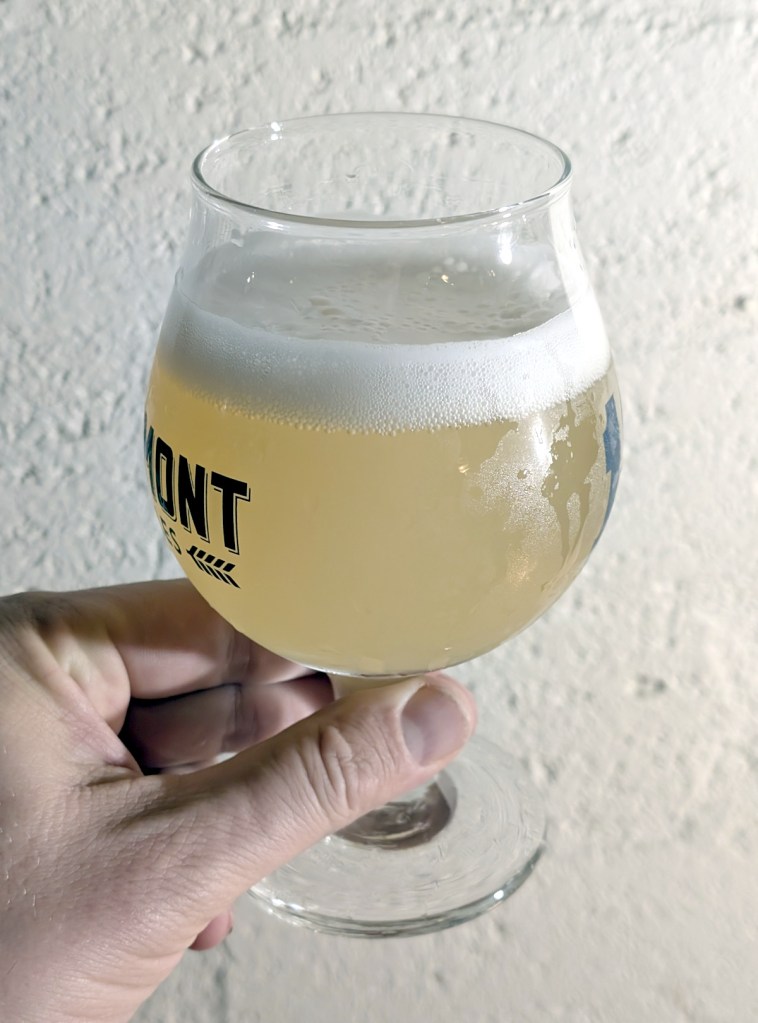
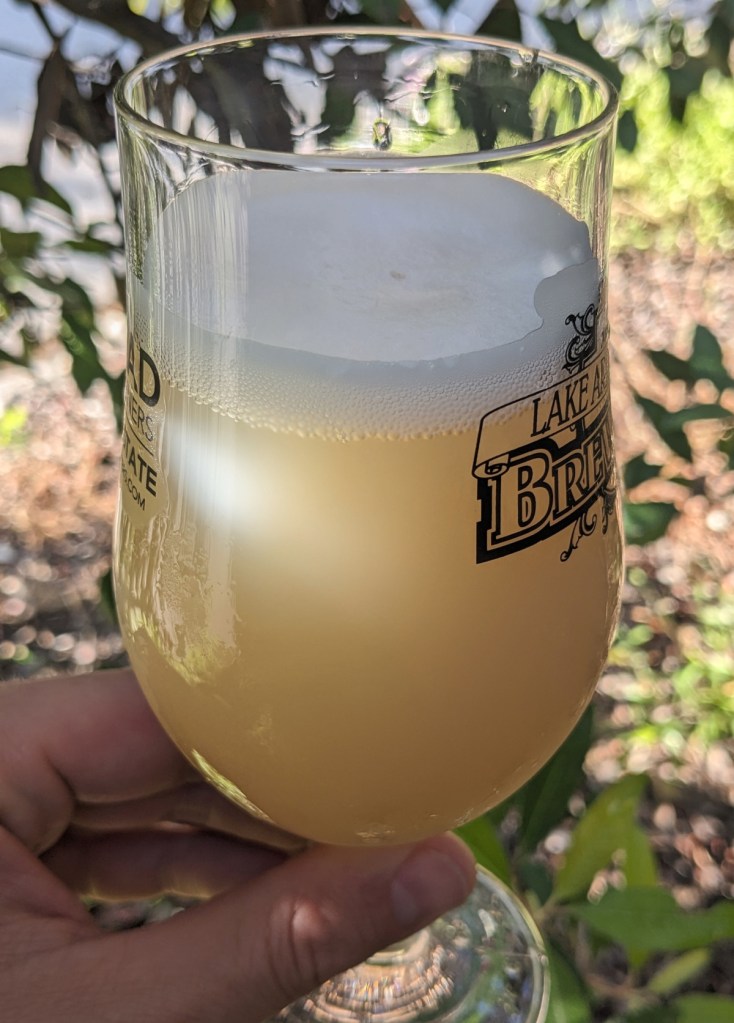
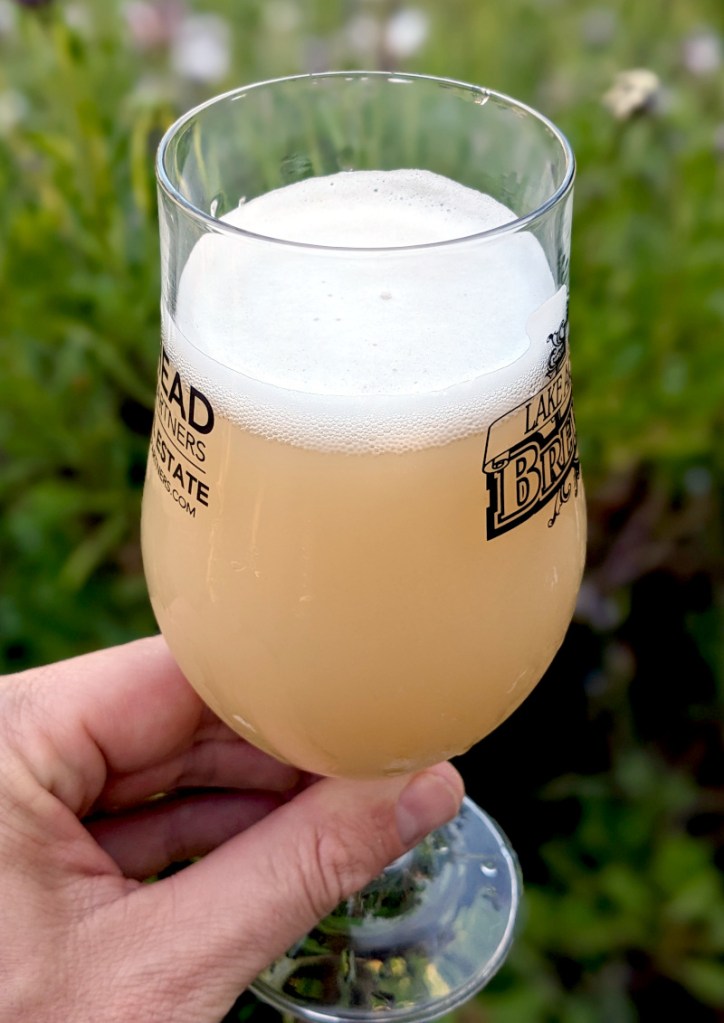
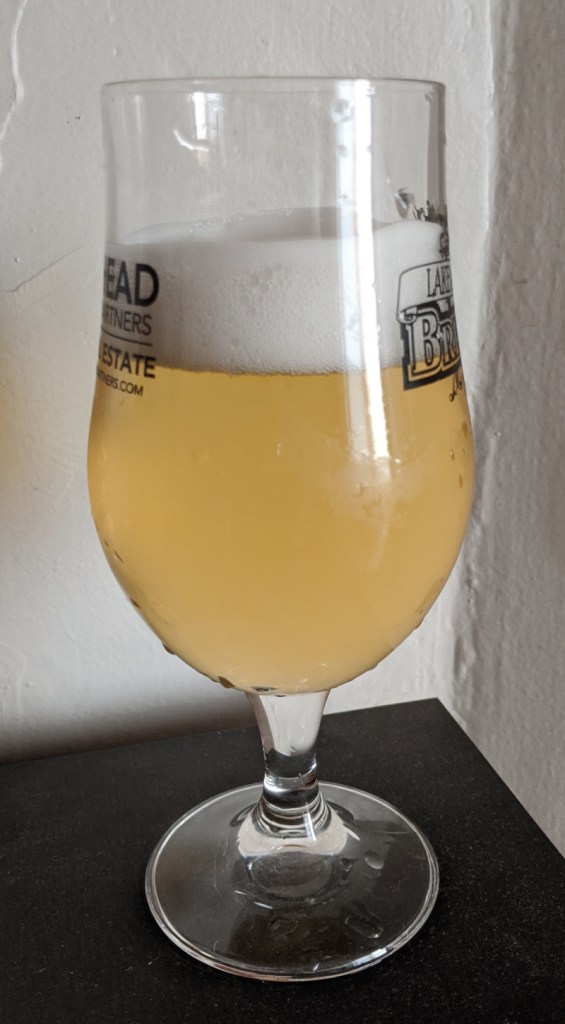
    • Hazy straw color, like the appearance of grapefruit juice. Pours with a thick white head that persists well.
  • Aroma
    • Quite prominent guava fruit aroma at the forefront, with a little doughy character behind that.
  • Flavor
    • The beer is fairly tart, but not puckeringly sour, at first impression. The tropical fruit character is definitely there, but it’s subtle–notes of guava (unsurprisingly) dominate. Some doughy wheat character hides behind it all, at a low level. Barely perceptible bitterness.
  • Mouthfeel
    • Light body, spritzy carbonation, slightly dry finish.
  • Would I Brew This Again?
    • Yes! This is a perfectly refreshing beer, well suited for the warming afternoons of spring. It is crisp, but not watery. The fruit is gorgeous on the aroma and perfectly restrained on the flavor. It’s that rare fruited beer where you can pick up the fruit character, but it takes a few seconds to process the flavor. This batch was a good bit of extra work in the fruit process, but absolutely worth it. I have sometimes seen some dismissive comments about Philly Sour being too one-note in character, but that is perfect for this beer as a way to let the subtle fruit notes take center stage. I know that I’ll never find a beer like this commercially, and that’s so much of the fun of homebrewing!
  • Overall
    • 10/10
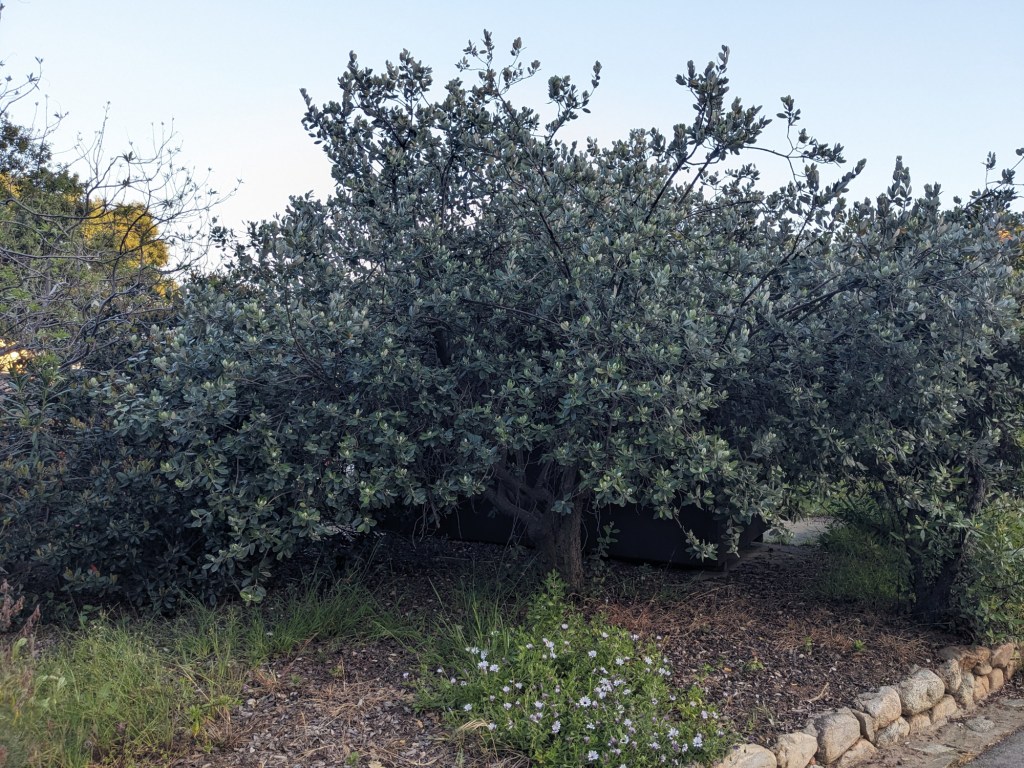
dark green tree
The feijoa tree in all of its glory — the tallest branch is perhaps 8 or 10 feet off the ground

Claremonter Weisse 2020

As summer and summer temperatures drag on here in southern California, I’m spending my brewing energy on light, flavorful, and refreshing beers. This often means lagers, but sometimes it’s nice to play on the sour side of the street. A few years back, I brewed an award-winning Berliner Weisse, which tasted fantastic. I’ve been wanting to revisit that style and that recipe for awhile, and finally made some time this summer.

For my 2020 brew, I rolled with a similar recipe to my 2016 version, except for the sour pitch. Last time, I used Omega Labs OYL-605 lacto blend. This time around, I had a satchet of Lallemand’s Wildbrew Sour Pitch, which had already been opened for my Raspberry Belgian. Not wanting to waste a good culture, I made the decision to use this instead. I didn’t have to make a starter, which was a nice bonus. I switched in 2-row for pilsner malt, to up the malt character a little for such a low gravity beer. Finally, for the main fermentation, I made the very minor substitution of US-05 instead of WLP001.

Claremonter Weisse 2020

  • 2.25 lb. premium 2-row malt (Great Western)
  • 2.25 lb. pale wheat malt (Weyermann)
  • 2 oz. rice hulls
  • 0.5 pkg. Wildbrew Sour Pitch dry culture (Lallemand)
  • 1 tsp. Fermax, 10 minute boil
  • 0.5 oz. Cascade whole hops (5.5% alpha), 8 minute boil
  • 1 Whirlfloc tablet, 5 minute boil
  • 1 pkg. Amercan Ale Yeast (US-05)

Target Parameters

  • 1.031 s.g., 1.007 f.g., 3.2% abv, 3 SRM, 5 IBU
  • Full volume, no-sparge infusion mash, 152°; 10 minute initial boil, kettle sour; 60 minute secondary boil with hops, nutrients, and finings
  • Claremont water, unadjusted

Procedure

  • I mashed in with 4.8 gallons of water at 155°, to hit 151° in the mash. I added 2 mL of 88% lactic acid to adjust mash pH.
  • After 20 minutes, the mash was down to 149°. After 60 minutes of total mash time, I vorlaufed and collected the runnings. I only had a gravity of 1.026, for 65% efficiency.
  • I boiled for 10 minutes, chilled the wort down to 102°, and added 2.5 mL of 88% lactic acid to bring down the pH. Then, I added 5 g of Sour Pitch culture, and let it sit on a heating pad for ~100° temperature maintenance. This was started on 24 July 2020.
  • After 24 hours, I sampled the wort. It wasn’t quite tart enough yet, so I decided to let it go another 24 hours. When I sampled it on 26 July 2020, it was less tart than expected, but I figured 48 hours at 100° was enough time for the bacteria to work their magic.
  • I boiled the soured runnings for 60 minutes, and added the hops and other finings per the recipe. After 60 minutes, I chilled the wort and transferred it to the fermenter.
  • Starting gravity was 1.031, with ~3.25 gallons into the fermenter on 26 July 2020. I started fermenting at 66°.
  • I moved the beer to ambient temperature on 8 August 2020, to let it finish up.
  • I kegged the beer on 13 August 2020, putting it in one of my 2.5 gallon kegs. I added 3.95 oz. of corn sugar for natural carbonation, sealed it up, and let it sit for awhile.
  • Final gravity was 1.008, down from 1.031, for 3% abv. At the time of kegging, the beer had a gorgeous floral aroma, almost like orange blossom honey.
  • I checked on the natural keg pressure over a few days, as the keg sat at ambient temperatures. On 21 August (8 days post kegging), the keg had hit 32 psi (~2.4 volumes of CO2). On 23 August, the keg had hit 40 psi (~2.8 volumes of CO2). I gave it another day or two, there was no change in pressure, so I put the keg in the lagering chamber and topped up the carbonation level.
  • I measured the final pH at around 3.6.

Tasting

  • Appearance
    • Pale straw color and hazy, with a creamy white head that completely subsides after a few minutes.
  • Aroma
    • Tart, citrus blossom aroma, with a bit of floral honey. Really pleasant! There is a bit of a raw bread dough character behind all of it.
  • Flavor
    • Lemony tartness dominates, with the doughy malt character in the background. The level of sourness is moderately high, and it is a clean sour. I don’t really pick up any hop notes, which is expected given the low level of hopping.
  • Mouthfeel
    • Crisp and dry, but not astringent. Effervescent and highly carbonated, with a light body that makes this very easy to drink.
  • Would I brew this again?
    • Yes! This isn’t a style I want all of the time, or in massive quantities, but it’s really nice every once in awhile. This is a different take on the beer from the 2016 version I made, as expected with a different sour culture. It seems a bit less sour, but is still really nicely balanced. The aroma really is fine on this one, and a true highlight of the beer.
  • Overall
    • 9/10

Beer Tasting: Claremonter Weisse (Me vs. BJCP)

berliner_weisseThis Berliner Weisse was my first award-winning brew! So, I wanted to do my own tasting to see how it compares with the judges’ assessment. It seems like an interesting exercise to calibrate my taste buds, and reflect on how my tasting skills are developing.

  • The Basics
    • Starting gravity = 1.032; final gravity = 1.010; abv = 2.9%; IBU = 5
  • Aroma
    • Low malt, mostly dominated by a tart pear aroma.
    • BJCP Judges
      • “slightly sweet, tart, honey, bready”
      • “Aroma is low lactic, low hop (grassy), lemon, dough (medium), grainy”
  • Appearance
    • Brilliantly clear and pale straw color, with a low white head that thins fairly quickly.
    • BJCP Judges
      • “pale golden, very clear”
      • “Pale yellow, brilliant clear, medium head with medium head retention and medium lacing. Head is white and creamy.”
  • Flavor
    • Pleasantly tart, with a gentle bready character at the back end.
    • BJCP Judges
      • “lemony, tart, wheat, buttery aftertaste, lemon zest, slight diacetyl, clean”
      • “Malt is fresh bread, dough, grainy, lemon tart, all in medium intensity. Nice and clean lactic soureness balanced by malt. Low bitterness. Finish is dry with lingering malt and lactic flavors.”
  • Mouthfeel
    • A fairly thin body and effervescent carbonation, with a dry and crisp finish.
    • BJCP Judges
      • “good mouthfeel, creamy, decent carbonation, could take more”
      • “Light body, medium-high carbonation, light astringency.”
  • Would I brew this again?
    • This is a very nice beer! I’ve noticed that some of the “barnyard” character from initial samplings has receded a bit with age and under cold storage, which isn’t necessarily a bad thing. I can’t say that Berliner Weisse is a style I would always drink, but this has been a tasty experiment that bears repeating.
    • BJCP Judges Overall Impressions
      • “Great beer, could have more aroma, but it’s very pleasant; could lower acidity.”
      • “I enjoyed this beer! It’s highly drinkable, refreshing, still supported by nice malt and lactic sourness that balance with each other. Great example!”
  • Overall
    • 10/10
    • BJCP Judges
      • 39/50
      • 44/50

What Did I Learn?

It’s interesting to compare tastings by various people; on looking them over, I have a few immediate reactions.

First, the overall characters of our assessments overlap pretty broadly. The judges think it’s a good beer, and I think it’s a good beer. The overall style characters–tartness, etc.–are also on everyone’s palates.

For areas of difference, I suspect a few things are going on. First, I wasn’t tasting in the context of a BJCP competition, nor was I tasting in the midst of a flight. I also would bet my beer vocabulary is less developed–or developed in different ways–than the people who judged the entries. For instance, the differences between “doughy” and “bready” are still a bit mysterious to me. A lot of that is perception, of course, and maybe some of it is a bit of over-analysis. In any case, I can certainly do more to refine my vocabulary.

One thing that puzzles me is the judge who saw the entry as slightly undercarbonated–I would suspect that just is from where they saw it in the flight, or maybe pouring technique by whoever was pouring. It is comforting to know that the other judge saw it as well-carbonated, which matches my own perception.

This has been a worthwhile exercise all around. My tastebuds aren’t horribly out of alignment, I can do a little more to develop my vocabulary, and my first attempt at a sour was a success. Time to brew some more!